- 01The problem-checklist ad
- 02The named-number claim
- 03Micro-creator seeding over big-name influencers
- 04The ingredient-safety glossary engine
01 Snapshot
The one-glance read on who they are and how they grow. Each point is verifiable from the receipts above.
Vet-formulated dog and cat supplements sold direct and through retail (Target, Petco, Chewy), backed by an $11M Series B closed August 2023.
Paid-led, propped up by a long-tail TikTok creator and affiliate layer underneath.
~144,263 monthly visits, 111,389 Instagram followers, and a Google search ad active for 705 days as of July 13, 2026.
As of July 13, 2026, Google carries fresh product-specific search ads (a UC-II-versus-glucosamine joint claim, a dental "Clean Breath" angle) while Meta cycles a new discount theme every few weeks (birthday sale, then an "endless summer" sale).
Its evergreen Google search ad has quietly outlasted every flashy Meta promotion by more than a year, and the paid and creator layers now do more of the acquisition work than the owned channels.
02 How it unfolded
The order the channels came online. Sequence is strategy: what they did first, and what they layered on once demand existed.
03 Traffic & channel mix
Estimated demand, the channel split behind it, and the keywords and referrers doing the work. Directional modeling, not audited analytics.
Traffic sources
Top search keywords
| Keyword | Volume | Weight | CPC |
|---|---|---|---|
| native pet | 12k | $1.26 | |
| nativepet | 1.9k | $1.27 | |
| native pets | 280 | $1.53 | |
| nativepets | 490 | $2.61 | |
| native pet fish oil | 420 | $1.05 |
Top referring sites
Closest competitors by audience
Native Pet pulls an estimated 144,263 monthly visits, down 20.6% over the last three months. Search organic is the single largest channel at 41%, direct type-in traffic follows at 30.2% (a notably high share that, for a subscribe-and-save brand, likely reflects existing subscribers and repeat buyers navigating straight back to the site rather than fresh discovery), and paid social carries 8.1%, consistent with the active Meta BOGO wave. The remaining channels, led by email at 5.2% and display at 4.3%, together with social organic, referrals, paid search, affiliate, and generative-AI referrals, total just under 21%. The most telling keywords they compete on are their own name, "native pet" (11,770 searches/month) and "nativepet" (1,920/month), branded demand rather than category discovery, alongside "native pet fish oil" (420/month), which shows people searching a specific SKU by brand. Among referrers, skio.com stands out as their own subscription-commerce platform surfacing in the data (confirming the Skio-powered subscribe-and-save checkout seen on their landing pages), while outreach.io, a B2B sales-engagement tool, is an unusual referrer for a DTC storefront and more likely reflects vendor or internal traffic than a customer channel. Among competitors, pethonesty.com is the closest direct rival running a similar DTC supplement model, while cosequin.com is a long-established joint-supplement incumbent whose presence signals category maturity rather than a new entrant.
04 Organic content
The specific pages earning their organic search traffic, and the pattern behind why they rank. Adapt the format, not the topic.
Their top organic pages are not brand pages, they're ingredient-safety FAQ posts ("can dogs have black pepper," "can dogs eat cauliflower") sitting right behind the homepage in traffic share, with product pages for omega oil and probiotics trailing just behind. The pattern is a glossary-style content engine: broad "can my dog eat X" questions that any pet owner searches regardless of brand awareness, each likely linking internally to the relevant supplement product page as the commercial payoff. It's a classic top-of-funnel wedge, capturing generic food-safety intent no competitor owns by name, then converting inside the article rather than requiring a second visit.
Top pages by organic traffic
05 Channel map
Not traffic share. How much weight the growth system actually puts on each channel, with a one-line read on the role it plays.
What drove growth
06 The creative doing the work
Each exhibit shows the actual asset, an X-ray of why it works, a status, and a play you can adapt. This is the heart of the teardown.
Their clearest longevity signal is on Google: a text search ad has been active for 705 days as of July 13, 2026, out of 68 total ads collected in that library, only 10 of which remain active. On Meta, nothing in the visible library has cleared 60 days yet (the oldest active creative sits at 59 days), so the current Meta wave reads as the current push rather than an established, long-running set, even though the ad library carries an older, separately-tagged batch of creative concepts:
-
Hook: "This will Shorten their lifespan," red text with an arrow pointing to a close-up of a dog's plaque-covered teeth. Why it works: A before-after visual turns a symptom owners already see daily (bad breath, visible plaque) into a mortality-adjacent stakes claim; the image alone carries the fear trigger without needing a voiceover. Run this play: Shoot the real, unretouched close-up of the exact problem your product treats and let the image do the persuading instead of adjectives.
-
Hook: "5,339 owners ditched dental chews," bold yellow text over a "buy 1 get 1 free" banner. Why it works: A specific, oddly-precise number reads as harder to fabricate than a round one and creates a bandwagon cue, landing right beside the BOGO discount CTA. Run this play: Expanded as Play 2 below.
-
Hook: "LESS PAW LICKING," a whiteboard with red circles marking problem zones around the product. Why it works: It borrows the visual language of a vet diagnostic chart, reinforcing the "vet-formulated" claim while mapping directly onto a symptom the owner is actively worried about. Run this play: Expanded as Play 1 below.
Also in their winning rotation: [b-roll voiceover] "If you feel like your dog's coat is still shedding more than usual" · problem-agitation · Meta. [product demo] "buy one, get one FREE" tin reveal · bold-claim · Meta. [text-heavy] "DON'T GIVE THIS TO YOUR DOG unless..." · curiosity · Meta.
Against that older creative set, the newest push is a straightforward retail promo calendar: "birthday sale" gave way to "ENDLESS SUMMER SALE," both running the same buy-one-get-one mechanic across image, video, and dynamic (DCO) formats, alongside Google search tests pitching specific product claims like "UC-II: Better Than Glucosamine" for the joint supplement.
The winning ads land on purpose-built discount pages rather than the plain product catalog. The dental-chew ad lands on a dedicated "BOGO Clean Breath" page listing $59.98, $29.99, $109.98, and $54.99 price points with free shipping unlocked at checkout. A "Build Your Own BOGO" page lets shoppers mix and match any two products starting at $10, a bundle mechanic that maximizes average order value on top of the buy-one-get-one framing. The Hip+Joint ad ("Get 40% Off the 3-in-1 Hip & Joint supplement") lands on a subscribe-and-save page offering 40% off the first order and 15% off recurring orders, built on Skio, a subscription-commerce platform, with a 30-Day Money-Back Guarantee in the page header and footer ($14.99 to $64.99 depending on size); the page displays no on-page NASC badge, though Native Pet is an NASC member generally. The birthday-sale video ad lands on a "BOGO The Daily" page priced at $69.98/$34.99/$129.98/$64.99, again with free shipping and a "new customer exclusive" framing on the free item.
- Running
- 59 days (longevity = it's converting)
- Hook
- "buy one, get one FREE 💙 Native Pet 💙" with a hand placing a white slow-feeder bowl filled with brown kibble onto a white marble countertop.
- CTA / offer
- "buy one, get one FREE"
- Audience
- Dog owners who use slow-feeders and are interested in health supplements like probiotics and omega oils.
Why it works. Combines a high-value BOGO offer with the satisfying 'meal prep' visual style popular in the pet niche, so the video earns views for the ASMR alone and still lands the offer.
Leading with 'buy one, get one FREE' at 0:00. Put your strongest discount in on-screen text in the first second of an ASMR-style product prep video, before the satisfying visual takes over.
- Running
- 41 days (longevity = it's converting)
- Hook
- "If you feel like your dog's still shedding more than usual" spoken over a white and black spotted dog lying on a carpet.
- CTA / offer
- "Add Native Pet Omega oil to the routine"
- Audience
- Dog owners whose pets have shedding, dry skin, or dull coats, evidenced by the opening line and the visual of the dog being brushed.
Why it works. Targets owners who already tried something for shedding and are still failing, then uses retail presence at Petco to validate the next fix.
Problem Agitation (0:00-0:03): "If you feel like your dog's still shedding more than usual" Open with 'If you feel like [symptom] is still happening' to speak to people who already tried something and are still stuck.
- Running
- 41 days (longevity = it's converting)
- Hook
- "BUY ONE GET ONE FREE!" on a pink sticky note. Visual: A hand places a bag of Native Pet Allergy chews in front of a branded shipping box.
- CTA / offer
- "BUY ONE GET ONE FREE!"
- Audience
- Dog owners whose pets suffer from "seasonal allergies" (text on bag).
Why it works. Uses a handwritten-note style against professional packaging to make a BOGO discount feel improvised and time-sensitive rather than pre-planned.
Handwritten pink sticky note at 0:00 saying "BUY ONE GET ONE FREE!". Write your discount on a physical sticky note and stick it directly on the product instead of using a designed text overlay.
Show 7 more exhibits
- Running
- 5 days (new — still being tested)
- Hook
- "!! THIS DOG PRODUCT WILL CHANGE YOUR DOGS LIFE !! 💖🐶✨" on-screen text with a woman holding a Blue Heeler dog and a white tin of Native Pet supplement.
- CTA / offer
- "BUY ONE GET ONE FREE"
- Audience
- Dog owners ("anyone who has a dog", "every single pet parent") looking for health supplements.
Why it works. Combines an emphatic on-screen claim with a real dog breed and product in hand, then layers a BOGO offer to stack curiosity with a price incentive.
Superlative Hook Overlay (0:00): "CHANGE YOUR DOGS LIFE" Open with a red, all-caps superlative claim about your product punctuated for emphasis, then reveal the specific product in hand.
- Running
- 4 days (new — still being tested)
- Hook
- "ENDLESS SUMMER SALE" and "buy one get one free" text overlays against a blue sky as four pet supplement products fall into a yellow and white striped beach bag.
- CTA / offer
- "buy one get one free"
- Audience
- Pet owners looking for health supplements (indicated by product labels for gut health, joints, and omega oil).
Why it works. Uses seasonal naming plus a falling-product stop-motion shot to make a recurring BOGO promo read as a limited summer event.
High-contrast BOGO offer at 0:00 ('buy one get one free'). Give your recurring discount a seasonal name and pair it with dynamic product motion in the first frame instead of a static graphic.
- Running
- 705 days (longevity = it's converting)
- Hook
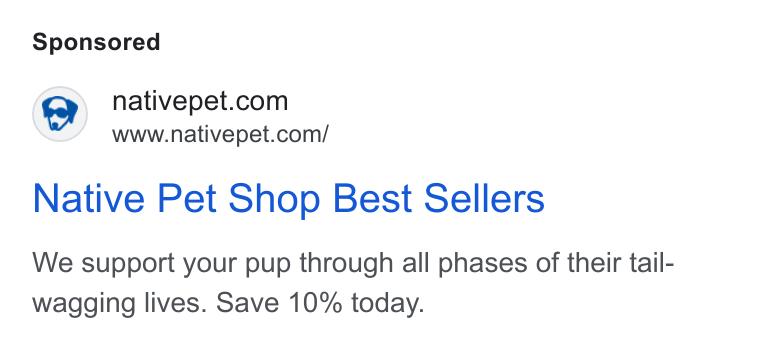
- Sponsored" text at the top left, followed by a small circular logo of a dog wearing sunglasses and the text "nativepet.com www.nativepet.com/". Below this is the blue text "Native Pet Shop Best Sellers".
- CTA / offer
- Save 10% today.
- Audience
- Pet owners, specifically dog owners, indicated by the phrase "your pup" and "tail-wagging lives."
Why it works. Leverages a best-sellers headline to signal existing customer validation, reducing hesitation for shoppers comparing supplement brands.
Headline stating a product category: "Native Pet Shop Best Sellers" Use 'Best Sellers' or 'Most Popular' in your search ad headline to borrow social proof instead of leading with a discount.
- Hook
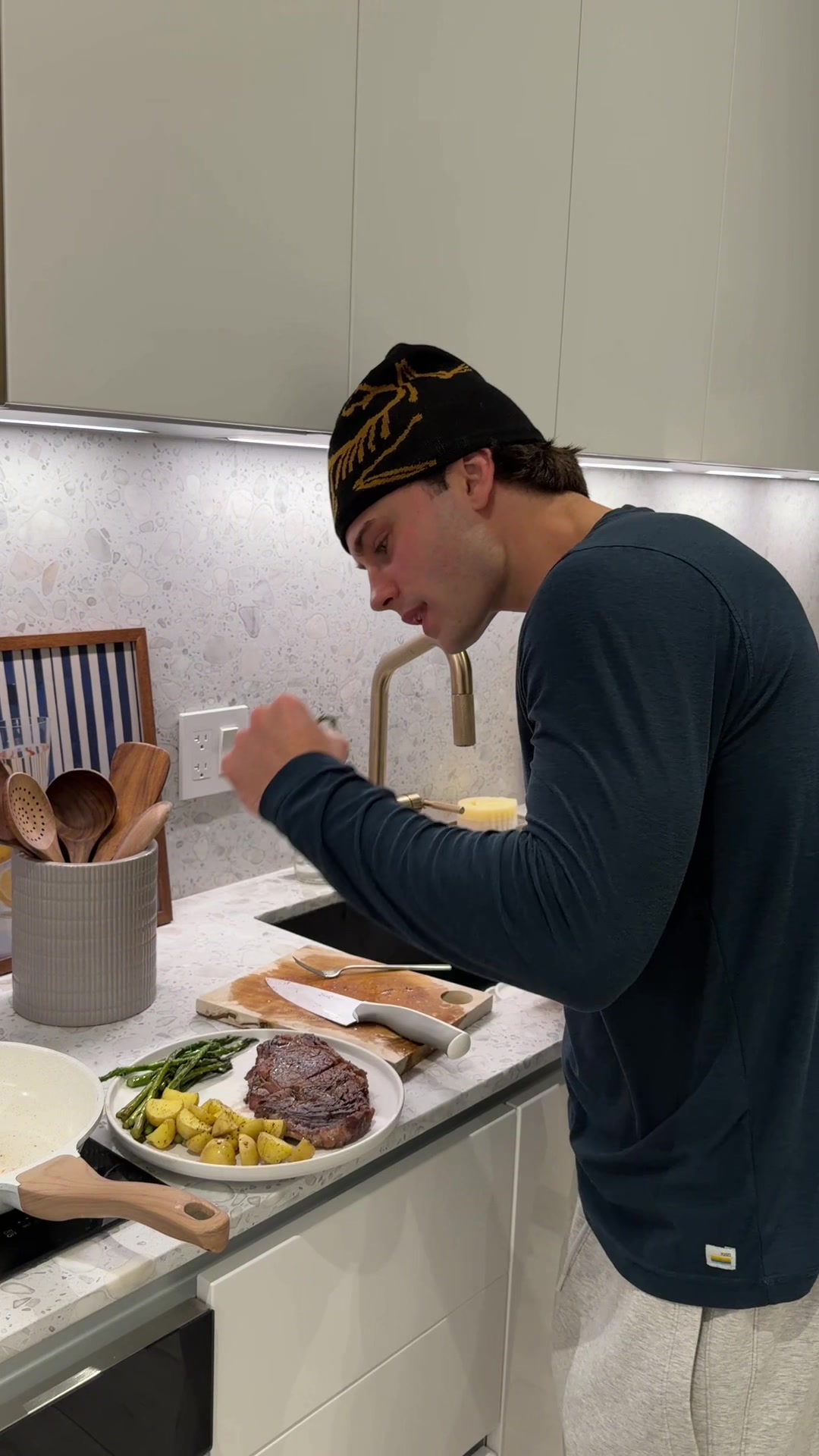
- Visual: A fluffy, light brown dog with a stick in its mouth runs across a crosswalk on a leash. Audio: "Who's got that big stick?"
- Audience
- Pet owners, specifically dog owners, who are looking for a supplement to improve their dog's health and well-being. The video targets those who view their pets as family and enjoy spending quality time with them, as evidenced by the 'boys' night' theme and shared activities.
Why it works. A throwaway question on a normal walk reads as unscripted footage, which lets the supplement segment later borrow that same credibility.
Relatable pet owner scenario and direct address to the audience at 0:03-0:05: "So Shannon's out of town, which means Koda and I are having a boys' night." Film your product being used inside a genuinely mundane daily moment, and open with a casual line you'd actually say out loud.
- Reach
- 8 upvotes · 31 comments · r/DogFood
A community is already discussing this in r/DogFood. Show up there authentically and answer the thread before a competitor does.
Who amplifies them
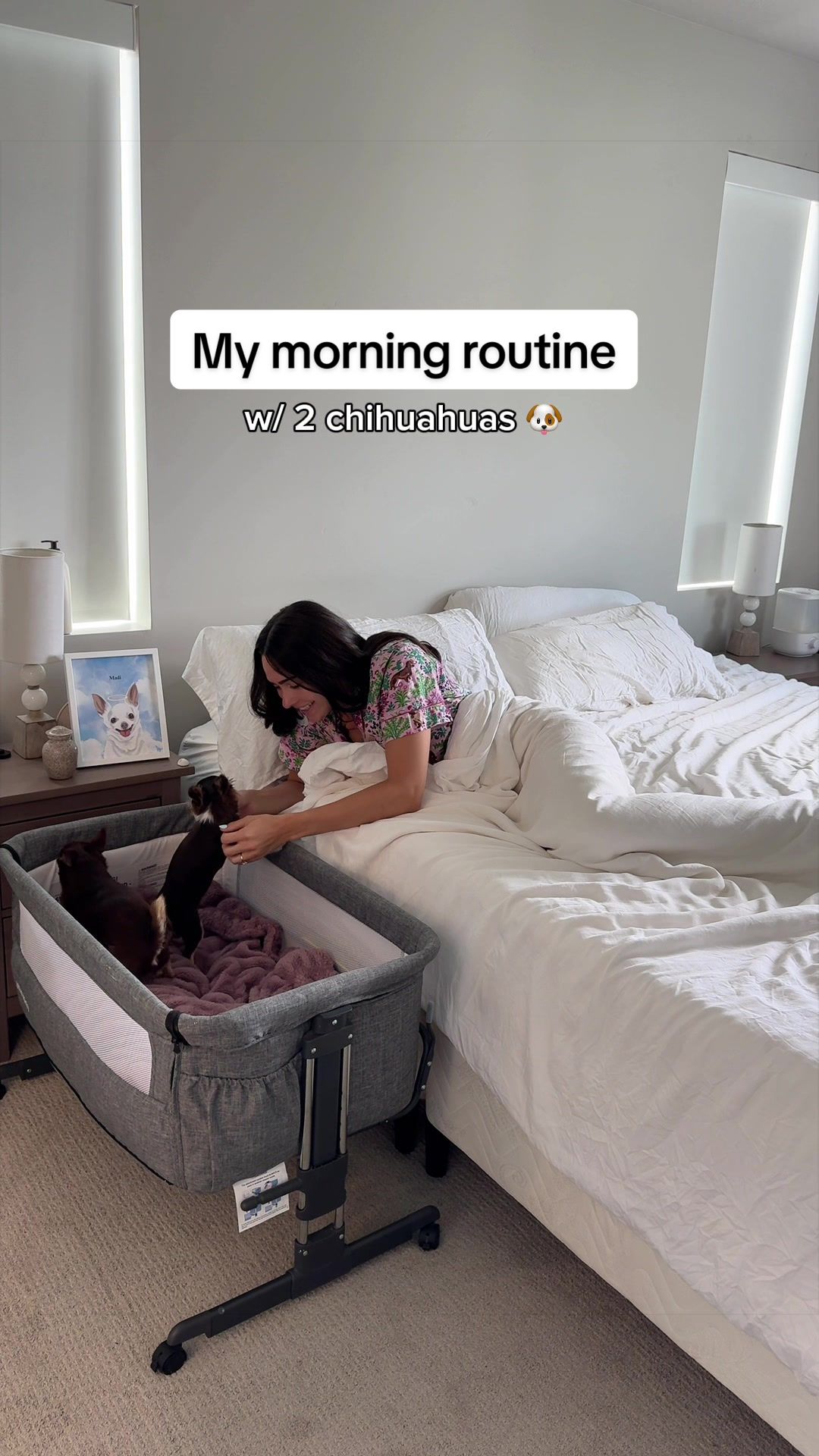
The amplification engine is a wide bench of small TikTok creators rather than a handful of big names: @thebkpets (The BK Pets - Dog Food Tips) runs recurring discount-code promos, lifestyle posts from creators like Harry Raftus and Serena Stadler carry the #NativePetPartner tag into six-figure engagement, and accounts like d.95nb, threepittss, dealswithdc, and Abby KPA-CTP | Dog Trainer post smaller feeding-routine or deal-alert content, several explicitly tagged #nativepetpartner. On Instagram, @cararosedipietro posts a tagged, disclosed #ad alongside the ambassador hashtag. No founder personal account activity is visible in the evidence gathered here, so amplification runs through the brand account and its creator network rather than founder build-in-public. Reddit is a discussion venue rather than an amplifier: threads in r/DogFood and r/catfood mention the brand with mixed sentiment, including a fur-loss complaint and a formula-change question, functioning as scrutiny more than promotion.
07 Organic & video
The organic content engine: the videos, creator posts, and community presence earning attention without paid spend.
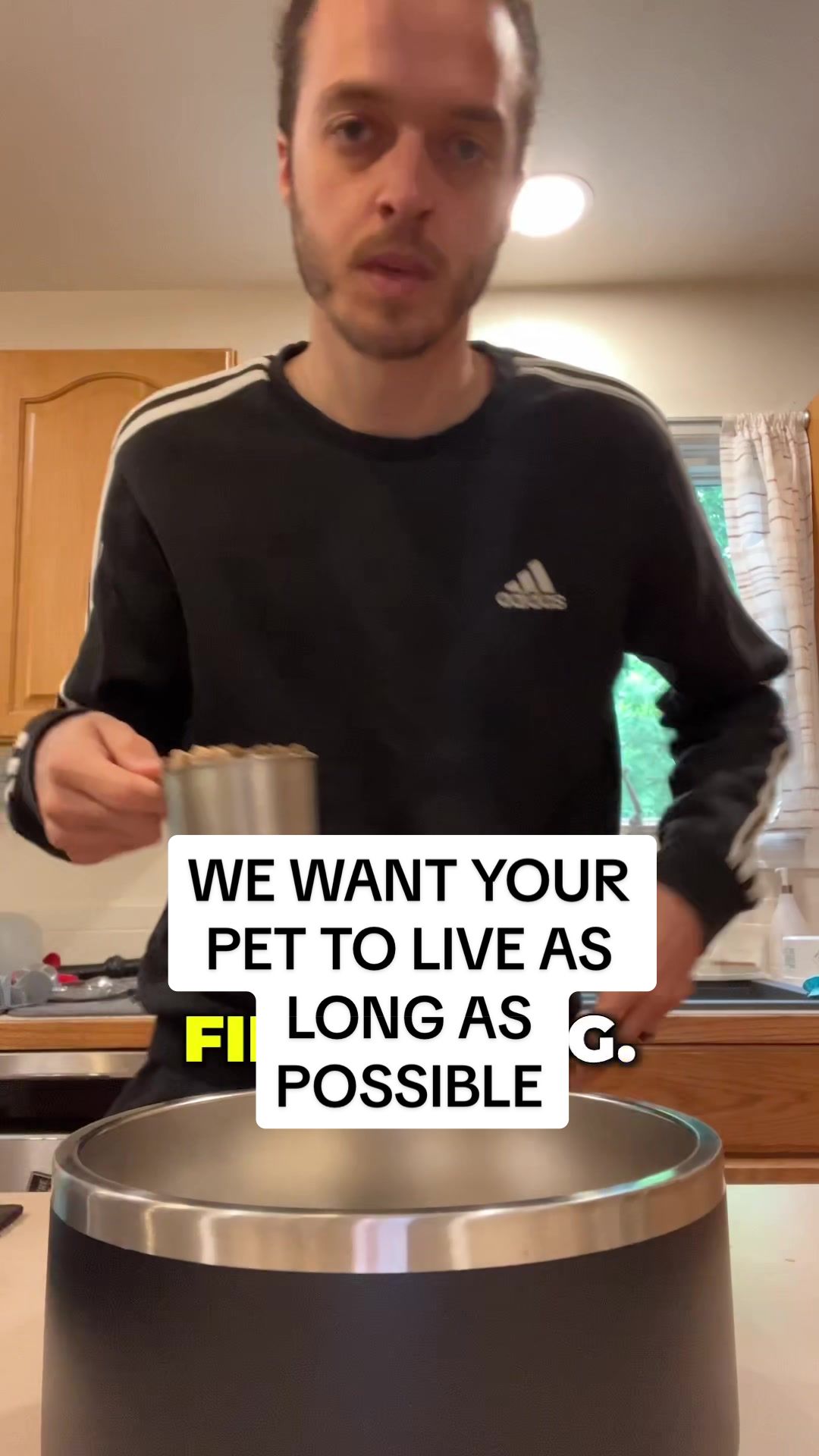
The brand's own TikTok content is food-safety and myth-busting focused: "you cant trust everything as we have shown, but you can trust native pet" (26,120 engagement) leans into the "vet nutritionist formulated" claim directly. The strongest performing content overall comes from creators posting under the #nativepetpartner tag: Harry Raftus's "Boys night means one thing... Steak and The Daily" post pulled 858,870 engagement, The BK Pets - Dog Food Tips' omega-oil post with a BK20 discount code hit 646,290, and Serena Stadler's Hip+Joint Advanced Care feeding-routine post reached 193,540, plus a long tail of smaller creator posts in the roughly 800 to 40,000 engagement range. The format that performs across both brand and creator content is consistent: a real feeding moment or symptom shown on camera, with a trackable discount code or ambassador tag layered in rather than a hard sales pitch. On YouTube, the "Ask Dr. Juli, DVM" explainer series (each video linking to its matching blog post and product page) functions as SEO support more than discovery, with views ranging from roughly 4,300 up to 116,298.
08 Affiliate & partners
How the brand turns creators and partners into a tracked, variable-cost acquisition channel, and how the program is structured.
The #nativepetpartner hashtag running across dozens of creator posts, each carrying its own trackable discount code (BK20 being one example), is strong evidence of a structured ambassador program, even though no dedicated affiliate-program page turned up on the owned site. In the traffic mix, affiliate is a small 1.7% channel share, meaning the creator network is driving more brand awareness and trust-building than directly-attributed affiliate clicks.
09 The playbook
The channels are not separate. They are one system where each stage feeds the next. Here is the read, then the plays to run tomorrow.
The inferred playbook
Native Pet's growth loop runs two engines that barely overlap: a single long-running Google search ad quietly converting branded demand, and a wide bench of small TikTok creators seeding trust through trackable codes.
A Google text ad has run 705 days as of July 13, 2026, the kind of unglamorous, always-on channel that rarely gets a case study but is clearly the proven, budget-justifying bet.
Rather than let a single Meta creative run for months, they cycle a buy-one-get-one offer through different retail-calendar themes (birthday, summer), refreshing creative every few weeks to fight ad fatigue while keeping the underlying discount mechanic constant.
Dig deeper+3▾
Per third-party influencer-marketing analysis, roughly 71% of their sponsored TikTok content comes from creators averaging under 1,000 views each (source), a volume-over-reach approach that matches the many sub-40,000-engagement creator posts seen directly in this data (the Modash figure counts views, a different metric from the engagement counts used elsewhere in this teardown).
Checkout is built around a subscribe-and-save model at 40% off the first order and 15% off recurring orders via Skio, alongside one-time purchases like The Daily's 60-scoop tin at $34.99, with most SKUs landing between roughly $15 and $65 depending on size and bundle.
subscription churn or retention rate, blended customer acquisition cost, and the wholesale-versus-direct revenue split.
The problem-checklist ad
The prooftheir "LESS PAW LICKING" creative maps circled trouble-spots on a literal whiteboard around the product, covered above in Paid Ads.
The adaptationpick one symptom your product solves and film it as a diagnostic checklist rather than a testimonial, a whiteboard, a printed sheet, or an on-screen annotation circling the exact pain points your buyer already recognizes. Post it as a native TikTok or Reels clip before spending anything on distribution. The mechanism is that a diagnostic visual borrows the authority of a professional assessment without needing a credential on camera.
Cost: $0. Time to signal: days. Works pre-PMF: yes, provided you can show the symptom on camera convincingly.
The named-number claim
The prooftheir "5,339 owners ditched dental chews" ad replaces a vague superlative with a specific count, covered above in Paid Ads.
The adaptationpull one real number from your own customers, a review count, a repeat-purchase rate, a units-sold figure, and put it in your ad headline or landing page instead of words like "loved by many." Start by counting something true you already have and writing one line of copy around it. The mechanism is that oddly-specific numbers read as harder to fabricate than round ones, lowering skepticism at the exact moment someone decides whether to trust a new brand.
Cost: $0. Time to signal: days. Works pre-PMF: yes, conditional on the number being real and specific; an inflated or rounded figure undercuts the whole effect.
Micro-creator seeding over big-name influencers
The proofthe bulk of their TikTok reach comes from a wide bench of small creators posting under one ambassador tag rather than a few large names, detailed above in Who Amplifies Them.
The adaptationbuild a simple tracked-code system (a spreadsheet is enough at first) and reach out directly to 15-20 small creators in your niche, offering free product plus a personal discount code instead of a flat fee, asking each to post one real usage moment rather than a scripted read. The mechanism is that dozens of small, credible voices compound into more total trust than one large but generic-feeling endorsement, at a fraction of the cost.
Cost: under $500. Time to signal: weeks. Works pre-PMF: yes.
The ingredient-safety glossary engine
The prooftheir top organic pages are "can dogs eat X" food-safety posts outranking their own product pages, covered above in Organic Content.
The adaptationlist the 10-15 most common "is X safe/good for my [audience]" questions in your category and write one clear, well-structured answer page for each, linking to the relevant product where genuinely useful. Start with the single most-searched question in your niche and publish that page first. The mechanism is that these questions carry search demand independent of your brand name, capturing people who've never heard of you yet.
Cost: $0. Time to signal: months, since organic search takes time to rank. Works pre-PMF: yes.
A rotating discount-calendar landing page
The prooftheir BOGO offer cycles through retail-calendar themes (a birthday sale, then an endless-summer sale) with dedicated landing pages for each, detailed above in Offer & Funnel.
The adaptationpick a recurring calendar hook relevant to your business (a launch anniversary, a seasonal moment) and build one simple templated landing page you can re-skin with a new headline and banner every few weeks, keeping the underlying offer mechanic constant. Be aware that leaning on discounts too often can train customers to wait for the next sale instead of buying at full price, so treat this as a rotation, not a permanent price cut.
Cost: under $500. Time to signal: weeks. Works pre-PMF: conditional, it needs an existing storefront and enough traffic for a promo cadence to register. Not transferable at an earlier stage: the 705-day evergreen Google search campaign and an 80-ad concurrent Meta library both assume a funded, sustained media budget a pre-seed founder won't have. Adapt the creative concepts and the codes-not-fees creator mechanic, not the spend level.
You just read how Native Pet does it. Tomorrow it is someone else.
Every morning we take one company that is actually growing and break down where its customers come from: the ads still running after a year, the channel doing the real work, and the play you can run this week.
Systemaic · directional intelligence. Traffic, spend, and reach figures are SimilarWeb-style estimates and qualitative reads of public data, not audited numbers. Built on real public receipts.
// teardowns with a similar GTM motion
sources & receipts (2)
Live ad libraries: meta ad library · google ad library
Traffic, spend, and revenue figures are estimates as noted in the report; the links above are the primary public artifacts.