- 01Build the Objection-Sequencing Quiz
- 02Run a Contrarian Expert Series as Top-of-Funnel
- 03Name the Trial Failure in Your Search Headlines
- 04Put the Maker's Stake in the First Line of Your Ad
01 Snapshot
The one-glance read on who they are and how they grow. Each point is verifiable from the receipts above.
Non-toxic skincare and personal care (50+ SKUs, $14-$58) handcrafted in Temecula, CA with grass-fed beef tallow as the hero ingredient, bootstrapped from a $250 personal investment in 2015 and built into what the brand describes as a multi-million dollar DTC operation with zero outside investment and zero retail distribution.
Affiliate-and-content-led, with a five-year branded search floor as the paid foundation and a mid-2026 escalation into Meta paid social to launch a first-ever makeup line.
Approximately 475,000 estimated monthly visits (as of July 5, 2026, trend essentially flat at +0.2% over the prior tracking period); 600,804 Instagram followers (as of July 5, 2026); 145 active Google search ads in the sample with the oldest running roughly 1,700 days (as of July 5, 2026); and approximately $7.2M estimated annual revenue (Kona Equity third-party estimate, not founder-stated).
As of July 5, 2026, Primally Pure is running at least six new Meta creatives for its first-ever makeup launch, the Lip + Cheek Tint SPF 15 and Sun Serum Tinted SPF 30, testing identity hooks, minimalism copy, and a free-deodorant gift-with-purchase offer anchored at a $65 order threshold, simultaneously with the first Google display and video ads the brand has ever run.
The deodorant quiz, taken approximately 41,000 times at a 34% conversion-to-purchase rate (founder-reported figures, no dated source), is the structural engine behind Primally Pure's scale without retail: it turns the highest-skepticism product in natural personal care into an interactive objection handler, and the brand's entire affiliate creator network and Grounded Wellness content series feeds the top of that funnel.
02 How it unfolded
The order the channels came online. Sequence is strategy: what they did first, and what they layered on once demand existed.
03 Traffic & channel mix
Estimated demand, the channel split behind it, and the keywords and referrers doing the work. Directional modeling, not audited analytics.
Traffic sources
Top search keywords
| Keyword | Volume | Weight | CPC |
|---|---|---|---|
| primally pure | 22k | $0.00 | |
| primarly pure | 910 | $0.00 | |
| primally pure deodorant | 740 | $4.19 | |
| primarily pure | 760 | $0.00 | |
| primarlly pure | 1.1k | $1.99 |
Top referring sites
Closest competitors by audience
Primally Pure draws an estimated 475,000 monthly visits as of July 5, 2026, with a near-flat +0.2% trend over the prior tracking period, a stable, compounded base without a visible new growth catalyst.
The channel mix shows a brand that has earned traffic across multiple surfaces rather than concentrating on one. Direct traffic leads at 26.6%, unusually high for a DTC brand and consistent with a strong repeat-purchase base, the brand reported a 54% repeat-customer rate in 2020, up from 43% the year before, and the direct share reflects buyers who return without re-acquisition spend. Organic search at 23.5% and paid search at 18.1% make the Google ecosystem the dominant acquisition engine: search organic, paid search, and display (7.5%) together account for nearly 49% of all visits, meaning the brand both earns and buys placement at the intent moment. Affiliate traffic at 7.4% is a direct readout of the #purepartner creator program, confirming it drives measurable volume beyond brand awareness. Email at 5.5% reflects the owned-list retention layer. Social paid (4.9%) and social organic (2.4%) contribute under 8% combined, Instagram and TikTok are primarily audience-building surfaces for this brand, with clicks flowing to branded search rather than directly from social posts. Gen AI referrals register at 1.4%, a small but real emerging channel.
The keywords they dominate are almost entirely branded: the primally pure name and its common misspellings (primarly pure, primarlly pure, primarily pure) account for the bulk of search volume the brand intercepts. Two acquisition-intent queries where they rank first, "beef tallow for skin" and "best natural deodorant", mark the outer boundary of their non-branded category reach, each representing a meaningful search volume in their respective ingredient and product category.
Top referring sites add interpretive value. shop.app reflects a Shopify-native buyer base using the Shop app for repeat purchases, confirming DTC repeat behavior rather than retail adjacency. morningpersonnewsletter.com indicates editorial newsletter placement in the wellness space. poppylist.com, a baby registry platform, corroborates the baby care product line as a genuine traffic source rather than a creative angle alone, new parents are actively discovering the brand through registry curation.
Closest competitors in traffic overlap include saltandstone.com, nativecos.com, and lumedeodorant.com (natural deodorant peers sharing searchers), and ancestralcosmetics.com and talloskin.com.au, both tallow-specific beauty brands that have emerged in the ingredient category Primally Pure helped establish, competing for the same "beef tallow skincare" queries.
04 Organic content
The specific pages earning their organic search traffic, and the pattern behind why they rank. Adapt the format, not the topic.
The five pages generating Primally Pure's organic search traffic reveal a brand that has locked up its name and two narrow category terms rather than built a deep editorial content operation. The homepage and the /collections/deodorant page together pull roughly 64% of estimated organic traffic, driven by top-one rankings for "primally pure," "primally pure deodorant," and "best natural deodorant." The /collections/tallow-ultra-nourishing-vitamin-rich-products collection page earns a further 10% by ranking first for "beef tallow for skin," a query the brand's ingredient positioning helped create and now owns. The /collections/sunscreen page appears in the organic top five as of July 5, 2026, reflecting early search traction from the 2026 SPF line launch. The /pages/promo-details page earning 3% of organic traffic suggests deal-seeking search queries (confirmed by the "primally pure discount code" top ranking) driving a measurable slice of acquisition.
The pattern is collection-level authority built around one polarizing ingredient rather than a library of how-to articles, comparison guides, or programmatic content. The ranking advantage appears to come from a decade of brand authority and inbound link equity, making this a durable but narrow SEO position: high-intent traffic on the queries it owns, with most educational top-of-funnel territory uncaptured.
Top pages by organic traffic
05 Channel map
Not traffic share. How much weight the growth system actually puts on each channel, with a one-line read on the role it plays.
What drove growth
06 The creative doing the work
Each exhibit shows the actual asset, an X-ray of why it works, a status, and a play you can adapt. This is the heart of the teardown.
Google: Approximately 500 total ads in the library as of July 5, 2026, with 145 of the 240 sampled ads still active. The longest-running active ad has been live for roughly 1,700 days, meaning the brand has maintained continuous Google search presence since October 2021. All proven winners are text-format search ads, a search capture machine designed to intercept intent formed elsewhere, with new image and video formats entering the rotation for the first time in June 2026.
- Running
- 66 days (longevity = it's converting)
- Hook
- "As a mom of now two, this" spoken while a woman in a beige fuzzy robe holds a baby in a white tractor-print onesie against her shoulder.
- Audience
- Mothers of multiple children ("As a mom of now two") who are interested in "nontoxic" and "natural" skincare.
Why it works. Uses an unscripted-sounding personal update from a real mother to build trust before pivoting into a tallow skincare testimonial.
Identity-First Hook (0:00 - "As a mom of now two") Open your UGC ad with an unscripted personal update from the customer's life instead of a product mention, then bridge into the product.
- Running
- 4 days (new — still being tested)
- Hook
- "Getting ready for the beach, but I wanted to try Primally Pure's new skincare makeup products." Woman with long brown hair in a grey one-shoulder top talks to the camera, then holds up two product tubes.
- Audience
- People looking for "cleaner products for my skin" (0:06) and "skincare makeup" for summer.
Why it works. Opens on an unfinished relatable moment (getting ready) so viewers stay to see which products complete her summer routine.
Ingredient transparency at 0:34 ("grass fed tallow base"). Open your video mid-sentence on a relatable routine moment and withhold the punchline until after you've shown the product.
- Running
- 4 days (new — still being tested)
- Hook
- "Beef tallow" + woman holding five beige tubes of lip and cheek tint.
- Audience
- Women with "sensitive skin" who prioritize "mineral based" and "clean" beauty products.
Why it works. Leads with a jarring, unfamiliar ingredient name to make a natural-beauty audience stop and ask what it does before showing the product in use.
Ingredient-first pattern interrupt (0:00 - "Beef tallow") Open your video by saying your single most unusual ingredient out loud before showing the product, so the name does the stopping work.
Show 7 more exhibits
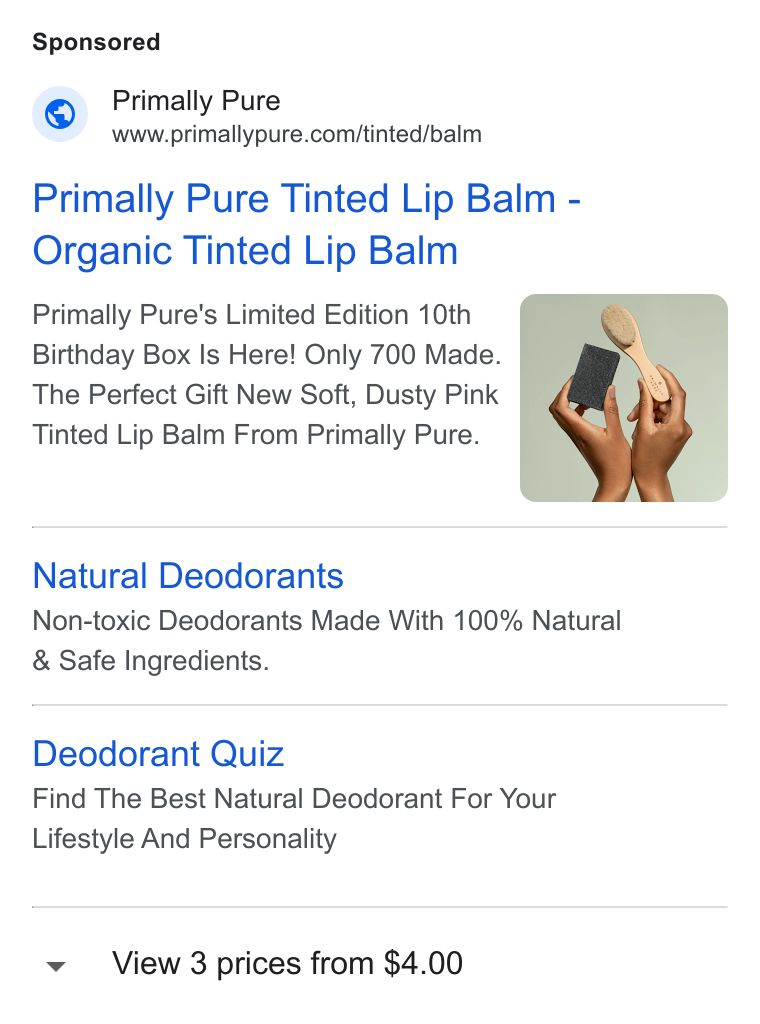
- Running
- 1113 days (longevity = it's converting)
- Hook
- Sponsored Primally Pure www.primallypure.com/tinted/balm Primally Pure Tinted Lip Balm - Organic Tinted Lip Balm
- CTA / offer
- View 3 prices from $4.00
- Audience
- Individuals interested in organic, natural beauty products and self-care routines, indicated by the product type and descriptive language like 'Non-toxic Deodorants Made With 100% Natural & Safe Ingredients.'
Why it works. Uses a limited-edition tinted lip balm to create urgency while cross-promoting the wider natural-skincare line to shoppers who click through.
Highlighting scarcity and exclusivity with the text "Only 700 Made." for the "Primally Pure's Limited Edition 10th Birthday Box". When launching a limited run, name the exact remaining quantity on-screen or in the first line of your ad within the first 5 seconds.
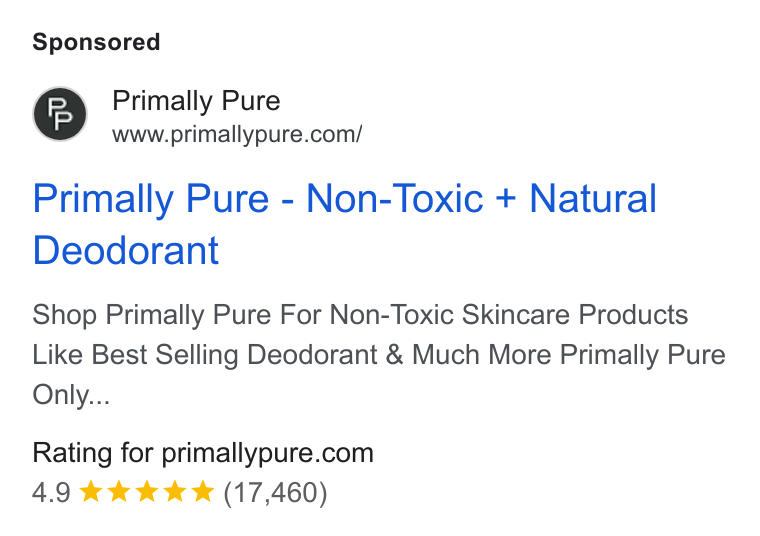
- Running
- 1315 days (longevity = it's converting)
- Hook
- Sponsored Primally Pure www.primallypure.com/ Primally Pure - Non-Toxic + Natural Deodorant
- CTA / offer
- Shop Primally Pure For Non-Toxic Skincare Products Like Best Selling Deodorant & Much More Primally Pure Only...
- Audience
- Individuals concerned with product ingredients and seeking natural/non-toxic skincare, evidenced by the headline "Non-Toxic + Natural Deodorant" and the description "Non-Toxic Skincare Products".
Why it works. Matches the headline to the exact benefit language deodorant shoppers search for, so the ad reads like an answer to their query rather than an interruption.
Headline with key benefit: "Primally Pure - Non-Toxic + Natural Deodorant" Write your search ad headline using the literal benefit words your buyers type into the search bar, not your brand's internal product name.
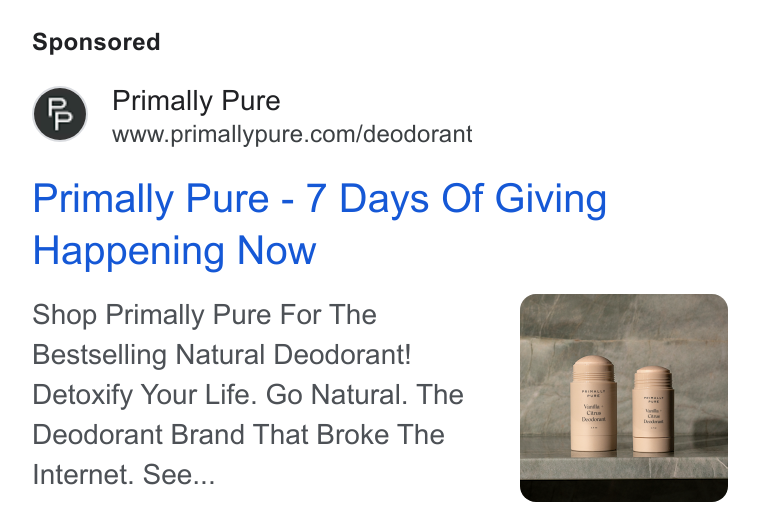
- Running
- 1714 days (longevity = it's converting)
- Hook
- Primally Pure - 7 Days Of Giving Happening Now
- CTA / offer
- Shop Primally Pure For The Bestselling Natural Deodorant!
- Audience
- Individuals interested in natural personal care products and those who follow internet trends, evidenced by phrases like 'Natural Deodorant!' and 'Deodorant Brand That Broke The Internet'.
Why it works. Frames a limited-time giving event around a specific day-count to build urgency for a deodorant landing page without discounting language.
Headline announcing a time-sensitive event: 'Primally Pure - 7 Days Of Giving Happening Now' Name your promotion's exact duration in days in the headline instead of a vague 'limited time' to make the countdown concrete.
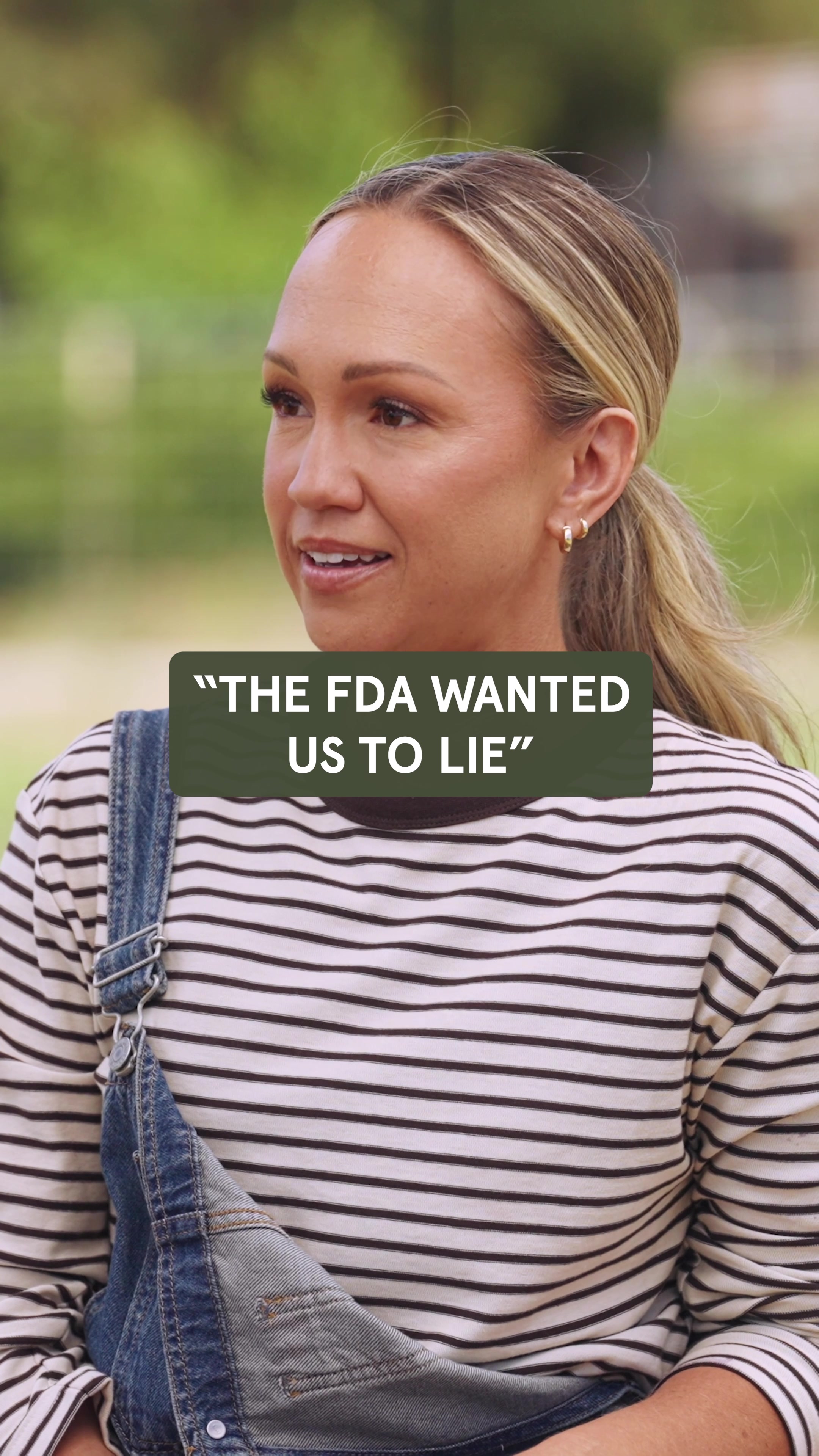
- Hook
- "THE FDA WANTED US TO LIE" - A woman with blonde hair in a striped shirt and denim overalls is speaking, gesturing with her right hand.
- CTA / offer
- LISTEN NOW WHEREVER YOU PODCAST.
- Audience
- Individuals interested in health, nutrition, and questioning authority, particularly those who consume or are curious about raw milk products. The mention of "raw milk" and "FDA" directly signals this audience.
Why it works. A founder's regulatory-conflict claim positions the brand as the honest outsider fighting an industry rule, resonating with an audience already distrustful of big regulation.
Lead with a bold, controversial claim (0:00-0:04, "THE FDA WANTED US TO LIE"). If you've had a real run-in with a regulator or industry standard, state the conflict as a direct accusation before you explain your side.
- Hook
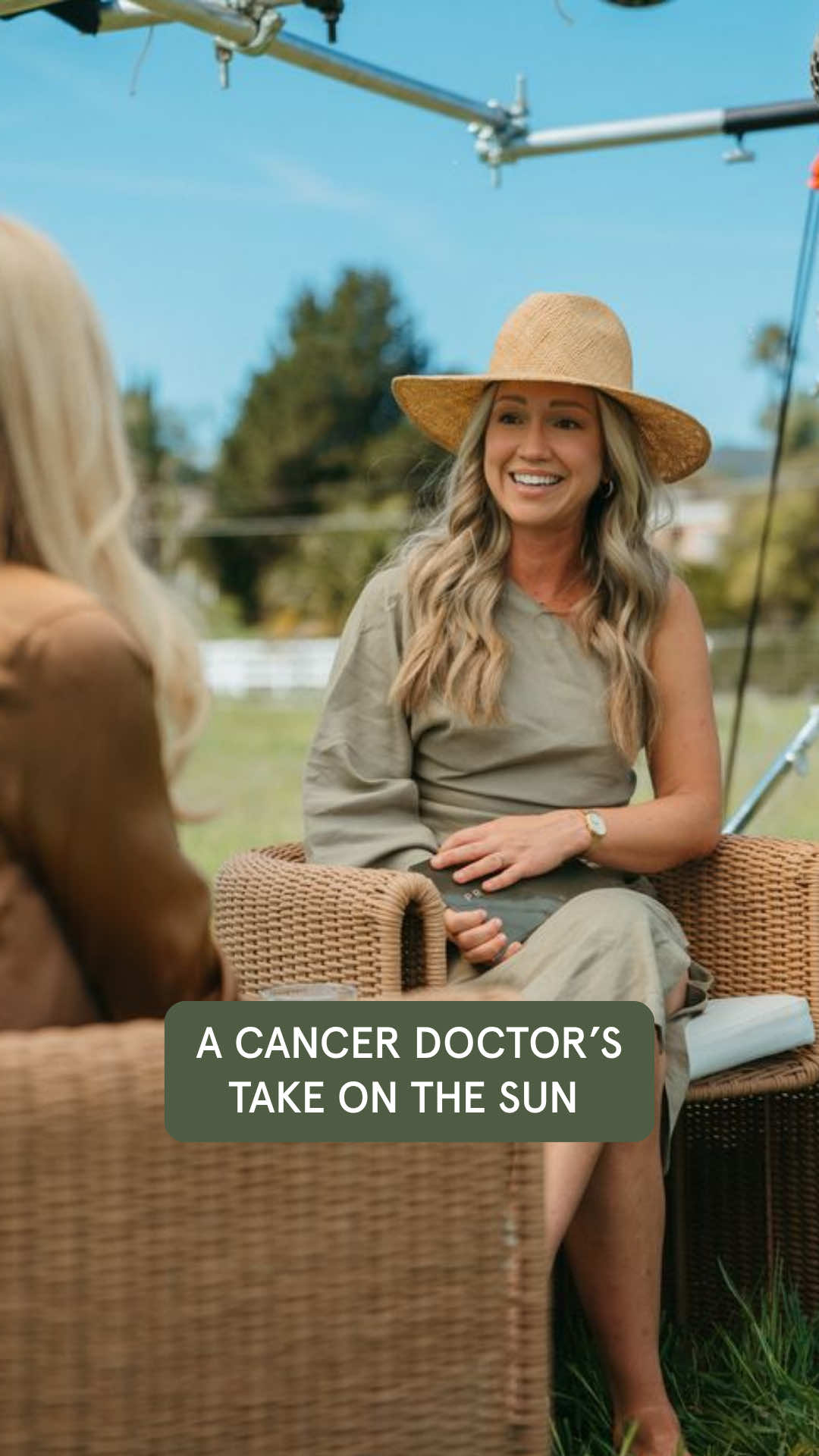
- 0:00-0:03: A woman with long blonde hair and a straw hat is speaking, holding a dark rectangular object. On-screen text reads "A CANCER DOCTOR'S TAKE ON THE SUN". Audio: "Would you say that the sun is contributing to skin cancer risk across the board or is there more to the story there?"
- Audience
- Individuals interested in health, wellness, and alternative perspectives on sun exposure and cancer prevention, indicated by the 'cancer doctor' title and the counter-narrative presented.
Why it works. Borrows a doctor's credential to challenge the assumed link between sun exposure and cancer, priming viewers for a sun-care product framed around controlled exposure.
Expert Credibility + Bold Claim (0:00-0:06) Pair a credentialed expert's title with a question that challenges the industry's default advice, then let their answer carry your product's angle.
- Hook
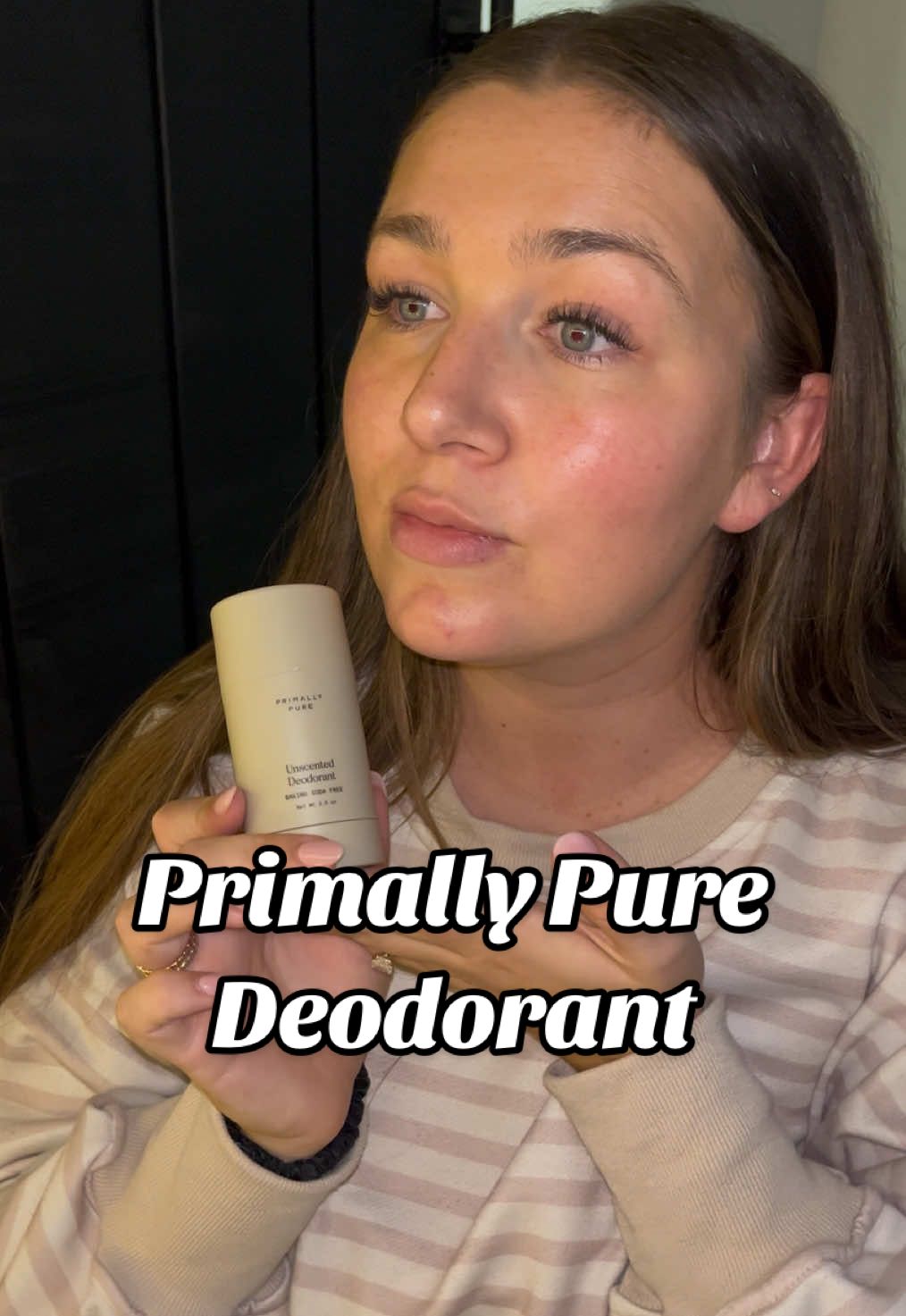
- "My mom di" - A young woman with long brown hair and a striped shirt holds a light-colored deodorant stick and looks directly at the camera, speaking.
- Audience
- Women concerned about breast cancer, health-conscious individuals, those struggling to find effective natural deodorants, people familiar with 'for you page' trends.
Why it works. Opens on a personal, high-stakes family story before any product mention, building emotional trust ahead of the deodorant testimonial.
Personal Tragedy & Promise: "My mom died of breast cancer and she made me make one promise to her." (0:00-0:03) Start with a deeply personal, high-stakes story that directly relates to the product's benefit or origin. The story should be authentic and create an immediate emotional hook.
- Reach
- 15 upvotes · 67 comments · r/SkincareAddiction
A community is already discussing this in r/SkincareAddiction. Show up there authentically and answer the thread before a competitor does.
Who amplifies them
The #purepartner affiliate program is the primary amplification layer, with creators assigned named discount codes that appear as on-screen text in their videos. Named creators in the evidence: @ebbymoyer (Instagram, 3,528 engagements, code 15EBBY, fall-reset skincare framing); @nikki.whitlow (TikTok, 3,961 engagements, cancer-survivor personal framing for the deodorant); @asmrbycara (TikTok, 2,199 engagements, code CAREBYCARA, new product haul); @kensington (TikTok, 2,333 engagements, post-shower routine); plus @karlyalane (TikTok, 601 engagements, code 15KARLY, new makeup line), @natalie.cortes (TikTok, 373 engagements, acne-safe makeup), @thrivewithcandice (TikTok, 286 engagements, code CANDICE15, oil cleansing), and a dozen smaller posts in the 200-600 engagement range. On Instagram: @keliamoniz (1,125 engagements, tinted SPF summer routine) and @amelia.edmondson (651 engagements, summer makeup) both post under #purepartner.
Nara Smith, a well-known lifestyle creator, was tagged in a brand TikTok in February 2026 attributing the Blue Tansy Body Butter as her calming product, whether this reflects a paid partnership or gifting placement is not confirmed in the public evidence. @naraaziza (Instagram, 445 engagements) posted a #purepartner reel using the same product with similar framing; whether that account is Smith's own is likewise not confirmed.
Third-party Google advertisers "Pooja Jain" and one additional advertiser are running Google ads pointing independently to primallypure.com, suggesting an affiliate or reseller layer operating outside the official #purepartner program.
Editorial amplifiers in the referral data: morningpersonnewsletter.com (wellness newsletter editorial placement) and poppylist.com (baby registry curation) drive measurable referred visits, passive affiliate channels that require no code infrastructure.
The Reddit friction is the inverse of the amplification: the r/SkincareAddiction thread with 67 comments questioning legitimacy is the community signal that heavy affiliate-code density can trigger MLM-pattern associations, and the brand has no visible response to it.
07 Organic & video
The organic content engine: the videos, creator posts, and community presence earning attention without paid spend.
Primally Pure's highest-performing content follows a single formula: credentialed expert plus contrarian health thesis, with the brand's ingredient philosophy as the implicit resolution. The Grounded Wellness YouTube series pulled 292,437 views for an insulin-and-metabolism episode with a functional nutritionist, the most-watched video in the library as of July 5, 2026, ahead of a circadian biology episode with a heliotherapy practitioner on sun exposure at 116,078 views, 39,024 views for a raw dairy farm founder on an FDA recall and 20,516 views for Dr. Teo Soleymani, a Stanford-trained skin cancer surgeon, questioning whether sun exposure causes skin cancer in the way mainstream messaging implies. These are 50-to-90-minute editorial conversations targeting the "health truths you weren't told" audience, a segment that filters out most advertising but actively shares content that validates their skepticism of institutions.
Read the full breakdown+3▾
TikTok clips from the same content reached standout engagement numbers: a May 2026 clip on the Raw Farm FDA episode hit 119,935 engagements, the brand's highest in the evidence, and a June 2026 clip featuring Dr. Leigh Erin Connealy on sunlight and hormone health drew 57,622 engagements. A street-interview format clip asking "What's worse: the sun or sunscreen?" from the brand's own Newport Beach footage drew 2,713 engagements in June 2026.
On Instagram, the owned @primallypure account uses reels for product reveals (the packaging rebrand drew 1,146 engagements), community mechanics (a broadcast-channel giveaway triggered by the comment "SKIN" in replies), and seasonal lifestyle content. Brand reel engagement runs 507-1,155 per post, modest against 600,804 followers and consistent with a large account that has grown past the tight-community engagement phase.
The "How It's Made" YouTube series, tracing the tallow ingredient from the Primal Pastures regenerative farm to finished product, serves a separate function from the podcast: it is provenance content that competitors cannot credibly replicate without an actual farm. The first episode drew 18,845 views.
08 Affiliate & partners
How the brand turns creators and partners into a tracked, variable-cost acquisition channel, and how the program is structured.
The #purepartner program is active and structurally distinctive: creator-assigned discount codes appear as on-screen text in video content rather than only in captions or bio links. Codes confirmed in the evidence include 15KARLY, CAREBYCARA, CANDICE15, and 15EBBY. The in-content code placement is the program's key mechanic, the code appears in the same frame as the creator's face and the product, compressing endorsement and conversion incentive into a single creative moment rather than requiring a bio-link click as a separate step.
Read the full breakdown+3▾
Affiliate traffic at 7.4% of estimated total visits as of July 5, 2026 confirms the program is driving measurable volume. The shop.app referral traffic and the Shopify-native buyer behavior suggest the affiliate infrastructure is Shopify-integrated. The specific platform (Rewardful, PartnerStack, or a Shopify affiliate app) is not confirmed in the public data.
poppylist.com's presence in the referral set indicates the baby care line has been submitted to or featured in baby registry curations, a passive affiliate channel requiring no code management.
No wholesale, retail, or Amazon distribution is evident in the traffic or referral data, consistent with founder Bethany McDaniel's stated DTC-only positioning.
09 The playbook
The channels are not separate. They are one system where each stage feeds the next. Here is the read, then the plays to run tomorrow.
The inferred playbook
Primally Pure's acquisition loop is a sequenced trust funnel: editorial content earns the attention of a skeptical health-conscious audience, the affiliate creator network normalizes the brand within that community, and the deodorant quiz converts interest into purchase by handling objections interactively before asking for a sale.
The Grounded Wellness podcast attracts the "health truths you weren't told" segment by hosting credentialed experts who challenge sunscreen safety, food-system practices, and mainstream dermatology. The 292,437-view top episode illustrates the ceiling: a single well-cast episode can reach an audience larger than most mid-market paid campaigns, and it does so in a format the viewer shares with people who self-select as already aligned with the brand's worldview. This top-of-funnel layer feeds branded search without contributing to the social-organic click numbers, the path from episode to purchase runs through the Google search box, which is why branded search terms show strong position rankings despite thin editorial SEO depth.
The quiz (approximately 41,000 takes at a 34% conversion-to-purchase rate, with no dated source available for the underlying figures) sits at the point of highest skepticism in the funnel. By addressing objections sequentially through questions rather than a static landing page, it builds commitment before the recommendation appears. The Google text ads, particularly the headline variants naming known failure modes like baking-soda sensitivity, act as bridges from search intent directly into the quiz entry point.
Dig deeper+3▾
In-content discount codes mean every creator post is simultaneously an endorsement and a tracked referral. The 7.4% affiliate traffic share confirms measurable volume, and named codes give each creator a tangible business reason to promote actively. The structural friction is that heavy affiliate-code density triggers MLM-pattern recognition in research-oriented communities like r/SkincareAddiction, a tension that grows as the program scales.
A 54% repeat-customer rate (reported in 2020, up from 43% in 2019) and 26.6% direct traffic suggest a buyer base that returns without re-acquisition spend. The email layer (5.5% of traffic) and broadcast-channel mechanics on Instagram are the visible retention infrastructure. The 2026 makeup line expansion, Lip + Cheek Tint SPF 15 and Sun Serum Tinted SPF 30, is a direct attempt to extend lifetime value from existing buyers into a new product category rather than acquire net-new customers.
Email list size, current deodorant quiz conversion rate with a dated observation, affiliate payout structure, CAC, churn, and free-to-paid trial conversion mechanics.
Build the Objection-Sequencing Quiz
The proofPrimally Pure's deodorant quiz has been taken approximately 41,000 times and converts 34% of completions to a purchase (founder-reported figures without a dated source), a rate that reflects the quiz's function as an interactive objection handler sitting at the highest-friction moment in the natural deodorant category.
The adaptationIdentify the product in your line that carries the most pre-purchase doubt, the one where potential buyers most often ask "but will it actually work?" Build a 4-6 question quiz that surfaces each major objection as a question ("Have you tried natural deodorant before and experienced irritation?"), routes to the right variant based on answers, and delivers a personalized recommendation at the end. The mechanism is sunk cost and personalization working together: each question answered increases commitment, and the recommendation converts at higher rates than a generic landing page because the buyer has accepted the brand's framing of their problem before seeing the product. Start by listing the three most common themes across your one-star reviews and your top competitor's one-star reviews, those are your quiz questions in reverse. Point your paid search traffic to the quiz URL rather than a collection page and measure the conversion rate difference.
Cost: under $500 · Time to signal: weeks · Works pre-PMF: yes, provided you have at least two meaningfully different variants to route to, a quiz with one outcome is a form, not a quiz.
Run a Contrarian Expert Series as Top-of-Funnel
The proofPrimally Pure's Grounded Wellness YouTube channel reached 292,437 views for an insulin-and-metabolism episode with a functional nutritionist and 39,024 views for a raw dairy FDA episode, both featuring experts who challenge mainstream health narratives. The May 2026 TikTok clip of the FDA episode alone drove 119,935 engagements. The format attracts an audience that blocks product ads but actively shares content validating its skepticism of institutions, feeding branded search and reducing affiliate-acquired customer cost because the content pre-sells the worldview before the product.
The adaptationIn any category where the mainstream version of your product is trusted despite being imperfect, food, personal care, financial services, supplements, invite credentialed guests who hold a contrarian-but-defensible view to a podcast or YouTube series. The brand hosts but does not need to be the expert: the guest's credibility is the asset, and the product is the implicit resolution of the tension the content creates. Virality in this format comes from the "things I've been trying to tell people" sharing mechanic, which brings in pre-converted audience members who then seek out the brand by name. Start by identifying two or three practitioners in your space who publicly challenge a mainstream belief that your product's existence implicitly validates, then reach out with a recording offer framing the episode as mutual audience-building.
Cost: under $500 · Time to signal: months · Works pre-PMF: conditional, this format works when your product's ingredient story or category philosophy gives a credentialed expert something genuinely counterintuitive to say. A generic product without a contrarian angle will produce branded content, not editorial content people share.
Name the Trial Failure in Your Search Headlines
The proofPrimally Pure's Google text ad "Non-Toxic & Natural Deodorant - Baking-Soda Free Deo is Here" has run as a proven winner for roughly 1,700 days, continuously since October 2021, as of July 5, 2026. It names the single most common failure mode in the natural deodorant category, baking-soda sensitivity, and announces the solution in the same headline, targeting the highest-intent segment in the market: people who tried a natural deodorant, had a reaction, and abandoned the category.
The adaptationPull your 30 most recent one-star reviews and your top competitor's one-star reviews. Find the most-cited trial failure: "caused breakouts," "didn't last," "left white residue," "made my skin worse." Build three search headline variants that name that failure directly and signal your product avoids it, lead with the enemy the buyer already knows rather than the benefit you want to claim. A searcher who experienced that exact failure will click the direct acknowledgment over a general "natural and effective" headline because the ad demonstrates the brand already understands their problem. First step: run one naming-the-failure headline as a variant against your current benefit-led headline in a Google Ads experiment split.
Cost: dedicated budget for the campaign · Time to signal: weeks · Works pre-PMF: yes, provided there is meaningful search volume on the category query.
Put the Maker's Stake in the First Line of Your Ad
The proofPrimally Pure's Meta proven winner "PRIMALLY PURE Made by mothers, for mothers." has run 128 days as of July 5, 2026. In a category where "non-toxic" is becoming a commodity claim, the headline leads with a maker-identity claim rather than a product claim, and the DCO variants sharpen it with specifics: "If you've ever stood in the baby aisle Googling ingredients, we get it. These products are made by moms who care." The seller's personal stake replaces the ingredient list as the primary trust mechanism.
The adaptationIf the person behind your brand has a personal reason to care about product quality or safety, a health event, parenthood, a professional credential, a supply-chain relationship with the ingredient source, lead your paid creative with that reason before any feature. The format: maker-identity headline, context or product visual, a DCO copy variant that names the specific behavior the target buyer has already done (the "you've already Googled ingredients" move). This answers the trust question and the relevance question simultaneously. Write a single sentence about why the founder specifically cannot afford to make a mediocre version of this product, test it as a static image headline against your current benefit-led creative, and measure click-through rate as the leading indicator before optimizing for conversion.
Cost: under $500 to produce · Time to signal: weeks · Works pre-PMF: yes, though the claim performs better once at least one customer has recommended the product to someone else, because the ad makes a trust argument the product needs to fulfill on delivery.
Put the Discount Code in the Video Frame
The proofPrimally Pure's #purepartner affiliates display their discount codes (15KARLY, CAREBYCARA, CANDICE15, 15EBBY) as on-screen text in the video itself, visible in the same shot as the creator's face and the product, rather than relegated to the caption. Affiliate traffic registers at 7.4% of estimated total visits as of July 5, 2026, confirming the program drives measurable volume at scale.
The adaptationWhen briefing creators for an affiliate or gifting arrangement, specify that the discount code must appear as on-screen text during the product segment of the video. Supply a short, memorable code tied to the creator's name rather than a generic sitewide code so the brand-creator association is visible in the content itself. The in-frame code functions as a dual signal: it shows the creator has a specific personal arrangement with the brand (raising perceived endorsement quality beyond a standard affiliate link), and it delivers the discount at the same moment as the recommendation, eliminating the bio-link friction step. Start by recruiting three micro-creators in your category with audiences between 10,000 and 100,000 followers, assign each a named code, and require on-screen text placement as a deliverable condition of the collaboration, not a suggestion.
Cost: under $500 to start (gifted product plus code setup) · Time to signal: weeks · Works pre-PMF: yes, provided the product performs well enough that a creator is willing to use it on camera. Not transferable at an earlier stage: The Grounded Wellness guests, Dr. Paul Saladino, Dr. Gabrielle Lyon, Dr. Teo Soleymani, accept bookings because Primally Pure has 600,000-plus Instagram followers and a decade of brand credibility making the appearance worthwhile for their own audiences. A pre-revenue or early-stage brand will need to start with practitioners building their own platforms and grow alongside them rather than booking established names. The 292,437-view episode is the output of years of accumulated brand equity, not a cold-outreach result; adapt the format and the contrarian-thesis mechanic, but expect months before content compounds into that range.
You just read how Primally Pure does it. Tomorrow it is someone else.
Every morning we take one company that is actually growing and break down where its customers come from: the ads still running after a year, the channel doing the real work, and the play you can run this week.
Systemaic · directional intelligence. Traffic, spend, and reach figures are SimilarWeb-style estimates and qualitative reads of public data, not audited numbers. Built on real public receipts.
// teardowns with a similar GTM motion
sources & receipts (2)
Live ad libraries: meta ad library · google ad library
Traffic, spend, and revenue figures are estimates as noted in the report; the links above are the primary public artifacts.