- 01Lead with identity content, not product pitches, in short-form
- 02Answer the research-stage comparison, anchored to a named input
- 03Turn a retail placement into a store-level amplification moment
- 04Recruit ambassadors publicly instead of building a hidden program
01 Snapshot
The one-glance read on who they are and how they grow. Each point is verifiable from the receipts above.
Premium NSF Certified sports nutrition (creatine, protein, fiber, collagen, sleep and cognitive supplements) for athletes and performance-minded buyers, now pushing into women's health and Vitamin Shoppe retail.
Paid-led on Google and Meta, reinforced by named scientific partners like the Huberman Lab and Dr. Stacy Sims rather than founder charisma or a celebrity co-founder.
~1.04 million monthly visits, a 156,295-follower Instagram account, a ~400-ad Google search library (55 still active, oldest active ad ~638 days) as of 2026-07-15, and revenue reported topping $80 million for 2025 (April 2025 report, no fresher public figure disclosed since).
As of 2026-07-15, Google's newest tests skew video (live just 5-14 days) while Meta's newest creative centers a Fiber+ gut-health launch and a Vitamin Shoppe x Arnold Schwarzenegger sweepstakes tie-in.
Momentous wins branded search with a near two-year-running Google ad cohort built on trust marks (NSF Certified, Germany-sourced Creapure creatine) rather than performance hype, then rotates named scientists in for the credibility work a single founder-figure would otherwise carry.
02 How it unfolded
The order the channels came online. Sequence is strategy: what they did first, and what they layered on once demand existed.
03 Traffic & channel mix
Estimated demand, the channel split behind it, and the keywords and referrers doing the work. Directional modeling, not audited analytics.
Traffic sources
Top search keywords
| Keyword | Volume | Weight | CPC |
|---|---|---|---|
| momentous | 56k | $2.43 | |
| momentous supplements | 13k | $2.39 | |
| momentous creatine | 7.7k | $1.76 | |
| momentus | 16k | $1.09 | |
| 36.8M | $1.28 |
Top referring sites
Closest competitors by audience
Momentous draws an estimated ~1.04 million monthly visits, down a marginal 0.9% over the last 3 months, essentially flat rather than a meaningful decline. Search Organic leads the mix at 28.2%, ahead of Direct at 19.2% and Search Paid at 18%, a combination that shows the brand converting people who already know its name (direct traffic, branded organic) as much as it acquires new ones through bidding. Email (11.7%) and Display (11.5%) add a real lifecycle and retargeting layer on top of that; affiliate, referral, social, and generative-AI sources each stay under 5% and collectively total about 12% of visits. The keywords they win on are almost entirely their own name: "momentous" pulls 55,800 searches/mo, "momentous supplements" 12,810/mo, and "momentous creatine" 7,700/mo, demand that reflects brand awareness built elsewhere (the podcast partnerships) rather than category-term SEO. Among referrers, force.com and morningstar.com are unusual entries for a supplement brand, likely enterprise or investor-facing systems tied to its Department of Defense and Humble Growth relationships rather than consumer traffic, while dtcetc.com points to DTC trade-press coverage. Its closest named competitors include Transparent Labs and 1st Phorm, both creatine/protein DTC rivals, plus Bryan Johnson's Blueprint, whose presence signals overlap with the same longevity and human-performance audience Momentous is courting.
04 Organic content
The specific pages earning their organic search traffic, and the pattern behind why they rank. Adapt the format, not the topic.
The pages actually earning organic traffic are product and category pages, not blog content: the homepage (~9,848 visits/mo), the Creatine Monohydrate product page (~8,237/mo), the Essential Whey Protein page, the Protein collection, and the Magnesium Threonate page round out the top five. Every top-ranking keyword tied to these pages is a #1 branded ranking ("momentous creatine," "momentous," "momentous protein powder"), meaning the organic engine isn't a content-marketing funnel of guides or comparisons, it's the brand's own product pages capturing people who already searched its name. That pattern rewards being the definitive branded destination for supplement-specific terms rather than investing in top-of-funnel editorial content.
Top pages by organic traffic
05 Channel map
Not traffic share. How much weight the growth system actually puts on each channel, with a one-line read on the role it plays.
What drove growth
06 The creative doing the work
Each exhibit shows the actual asset, an X-ray of why it works, a status, and a play you can adapt. This is the heart of the teardown.
Momentous runs a ~400-ad Google search library (55 still active as of 2026-07-15, oldest active ad ~638 days), the platform where its real proven winners live. Its Meta library shows 150+ active ads, but the visible set tops out at just 52 days old at capture, entirely a current push rather than a proven-winner set, the longevity signal on Meta hasn't been built yet.
The Google cohort's deep-dives: Hook: "NSF Certified® Supplements, NSF Certified® & Expert-Backed." Why it works: it intercepts high-intent branded searchers (the same people driving the 55,800/mo "momentous" search volume) with a third-party safety certification, pre-empting the "is this brand legit" doubt visible in its own Reddit mentions. Run this play: lead branded search ads with a verifiable trust mark instead of a performance claim.
Hook: "Plant Protein vs. Whey: Which Is Better for Muscle Growth & Health?" Why it works: it uses a comparison question that meets buyers mid-research rather than a sales pitch, funneling them into the same product pages that already rank #1 organically. Run this play: expanded as Play 2 below.
Hook: "Creapure® Sourced From Germany, Creapure® Creatine" (Creapure is a specific German-manufactured creatine ingredient brand). Why it works: single-sourced ingredient provenance differentiates a commodity supplement (creatine) from generic competitors on a credibility axis rather than price. Run this play: expanded as Play 2 below.
Also in their winning rotation (same long-running Google cohort):
- [text-heavy] · "Momentous® Official Site, Omega-3 Supplement" · curiosity
- [text-heavy] · "Shop The Momentous Three, Expert-Backed Supplements" · bold-claim
- [text-heavy] · "Grass Fed Collagen Peptides Powder, NSF Certified" · other
- [text-heavy] · "Momentous® Official Site, Everyday Performance" · bold-claim
Against that, the current Meta push is entirely new-product and retail-tie-in creative: exercise physiologist and Momentous science partner Dr. Stacy Sims speaking direct-to-camera ("I get questions all the time from women who are trying to figure out if they need to supplement"), a Fiber+ gut-health launch built around a taste-objection testimonial ("Delicious. Effective. Gentle." from a physician identified only as Dr. Mary C.), and a Vitamin Shoppe x Arnold Schwarzenegger in-store sweepstakes, none of it older than about 52 days as of 2026-07-15. It reads as Momentous testing whether the same trust-and-comparison playbook that works on Google search also converts through social and retail.
The winning ads land on tightly matched product pages rather than a generic storefront. The Creatine Chews travel-case giveaway ad lands on the Creatine Chews product page ($37.46 to $75), pairing the free gift-with-purchase hook with 25% off the first subscription order and 10% off recurring orders. The Dr. Stacy Sims "who should take creatine" ad lands on the Creatine Monohydrate 90-serving Signature Spec page ($32.24 to $75), running the identical subscription discount structure. The Momentous Three ad lands on a dedicated bundle page for the three-product stack, and the collagen ad lands on the Grass Fed Collagen Peptides page, both again inside the $75 free-shipping threshold that recurs across every landing page checked.
The Vitamin Shoppe x Arnold sweepstakes ad is the outlier: it lands not on a product page but on a store-locator page, a funnel built to drive foot traffic into retail rather than an online cart. Every subscription mechanic runs through Recharge, and the consistent 25%/10% first-order-versus-recurring split, paired with the $75 free-shipping line, is the standardized price architecture behind nearly every ad in the current library.
- Running
- 52 days (longevity = it's converting)
- Hook
- Visual: A white tub of 'Momentous Fiber+' with a red label 'Pure Cinnamon' sits on a white surface against a brown background. Audio: Upbeat, rhythmic music begins.
- Audience
- Individuals interested in digestive health, gut microbiome, and overall metabolic health, as indicated by the product description and benefits listed.
Why it works. Leads with a clean, clearly labeled product shot so the new Fiber+ SKU registers before any voiceover explains what it is.
Product introduction with clear branding and flavor options (0:00-0:07, 'Introducing Fiber+', 'Pure Cinnamon', 'Unflavored'). For a new SKU launch, show a clean labeled product shot with upbeat music in the first three seconds before any explanation starts.
- Running
- 48 days (longevity = it's converting)
- Hook
- Visual: A white tub of 'Momentous Fiber+' with a red label 'Pure Cinnamon' sits on a white surface against a brown background. Audio: Upbeat, rhythmic music begins.
- Audience
- Individuals interested in digestive health, gut microbiome support, and overall wellness, indicated by the product's claims and focus on foundational health.
Why it works. Opens on a clean shot of the new Pure Cinnamon Fiber+ tub set to upbeat music, prioritizing fast product and flavor recognition over a verbal claim.
Highlighting key ingredients and their categories with on-screen text at 0:09-0:12, showing '+ Prebiotic Resistant Starch', '+ Soluble Fiber', '+ Insoluble Fiber'. For a new flavor SKU, open with a clean, well-lit product shot and clear label before layering in any benefit claims.
- Running
- 48 days (longevity = it's converting)
- Hook
- Visual: A white tub labeled "Fiber+ Digestive & Gut Health" with "Pure Cinnamon" flavor, sitting on a textured, light brown surface. Text overlays appear: "Delicious. Effective. Gentle." and "Fiber+ Pure Cinnamon is one of the best-tasting fiber supplements I've tried. The cinnamon flavor is genuinely good—not artificial—and it actually works." - Dr. Mary C. Audio: A sound of applause and cheering.
- Audience
- The reviews mention 'gut health', 'digestive health', 'protein shakes', 'morning routine', and 'oatmeal', signaling a target audience of health-conscious individuals, potentially athletes or those focused on daily wellness and nutrition, who are looking for an easy and tasty way to improve their fiber intake and gut health.
Why it works. Stacks short customer quotes on taste and effectiveness back to back so no single review carries the whole pitch, wearing down skepticism about a gut health product.
Rapid succession of customer testimonials (0:00-0:07) with varying star ratings and specific praise like "Delicious. Effective. Gentle." and "Best Fiber On The Market." Pull your 5-7 strongest customer quotes and cut them together over one static product shot instead of a single long testimonial.
Show 7 more exhibits
- Running
- 21 days (longevity = it's converting)
- Hook
- 0:00-0:03, A woman with blonde hair in a black tank top stands in a kitchen with three white supplement containers on the counter in front of her. On-screen text reads: "Dr. Stacy Sims Nutrition Scientist and Female Exercise Physiologist". She says: "I get questions all the time from women who are trying to figure out if they need to supplement and how they need to supplement."
- Audience
- Women interested in fitness, health, and cognitive function, particularly those who may be hesitant about or misinformed about creatine supplementation, as indicated by the speaker's title "Female Exercise Physiologist" and her direct address to "women".
Why it works. Opens with a credentialed exercise physiologist naming her title on screen, building authority before she answers a common creatine question from women.
Expert endorsement and credibility building (0:00-0:05, on-screen text: "Dr. Stacy Sims Nutrition Scientist and Female Exercise Physiologist") Feature a credentialed expert with their title displayed on screen in the first few seconds to establish authority for a niche health claim.
- Running
- 21 days (longevity = it's converting)
- Hook
- A hand pours white, round chewable tablets from a white Momentous branded container into another hand. Audio: "Years invested."
- Audience
- Individuals engaged in physical activities like swimming, weightlifting, and dancing, as well as those seeking cognitive and muscle performance enhancement, indicated by the diverse athletes shown and the product claims.
Why it works. Opens with a short voiceover phrase implying years of R&D behind the product while showing its convenient chewable format for busy athletes.
Showcasing diverse athletic activities (swimming, weightlifting, stretching) with the product integrated into their routines (0:05-0:13, 0:18-0:23). Open a b-roll product montage with a short voiceover phrase implying the effort behind your product before you name it.
- Running
- 21 days (longevity = it's converting)
- Hook
- "How do I get started" A woman with blonde hair, wearing a black tank top, stands in a kitchen with three Momentous product containers in front of her.
- Audience
- Individuals interested in foundational health and performance, particularly those who value expert opinions and high-quality, clean supplements. The presence of 'Dr. Stacy Sims' and 'Dr. Andy Galpin' signals an audience that values scientific backing, while 'Rich Roll' appeals to endurance athletes and those seeking holistic health. The mention of 'gym bros' and then expanding beyond that indicates a broader appeal than just traditional bodybuilders.
Why it works. Leads with the beginner's own onboarding question, then answers it with the product lineup, turning starter confusion into a simple three-product decision.
Problem-solution hook with expert introduction (0:00-0:03): "How do I get started" followed by "Dr. Stacy Sims Nutrition Scientist and Female Exercise Physiologist". Open your video by voicing the exact question new customers ask before buying, then answer it on screen with your product lineup.

- Hook
- Visual: A person is seen from the side, sitting on a leg press machine in a gym, with the text "THE PRICE" overlaid. Audio: "The price of progress is pain."
- Audience
- Individuals interested in self-improvement, fitness, and personal growth, indicated by gym settings and the theme of progress through discomfort.
Why it works. Reframes a common pain point, workout discomfort, as proof of progress, aligning the brand with a no excuses training mindset for serious lifters.
Direct, philosophical statement as a hook (0:00-0:02): "The price of progress is pain." Open with a short, quotable line that reframes your category's biggest friction point as a positive signal instead of a drawback.
UGC talking-head
- Hook
- A man with gray hair and a beard, wearing a black t-shirt, is sitting and talking. On-screen text reads "Rich Roll Ultra-Endurance Athlete". Audio: "The three most important supplements in my routine are the Momentous 3."
- Audience
- Individuals interested in plant-based nutrition, athletic performance, and cognitive health, particularly those who follow Rich Roll or similar endurance athletes, indicated by the speaker's title "Ultra-Endurance Athlete and Podcast Host" and the focus on "plant-based" and "vegan" options.
Why it works. Uses a credible endurance athlete's specific routine to convert broad supplement demand into a named, bundled product recommendation that's memorable.
Leveraging a credible spokesperson (0:00-0:03, "Rich Roll Ultra-Endurance Athlete and Podcast Host"). Have a credible micro-influencer name your product bundle as their top three or similar specific number in their opening line, not just I use this.
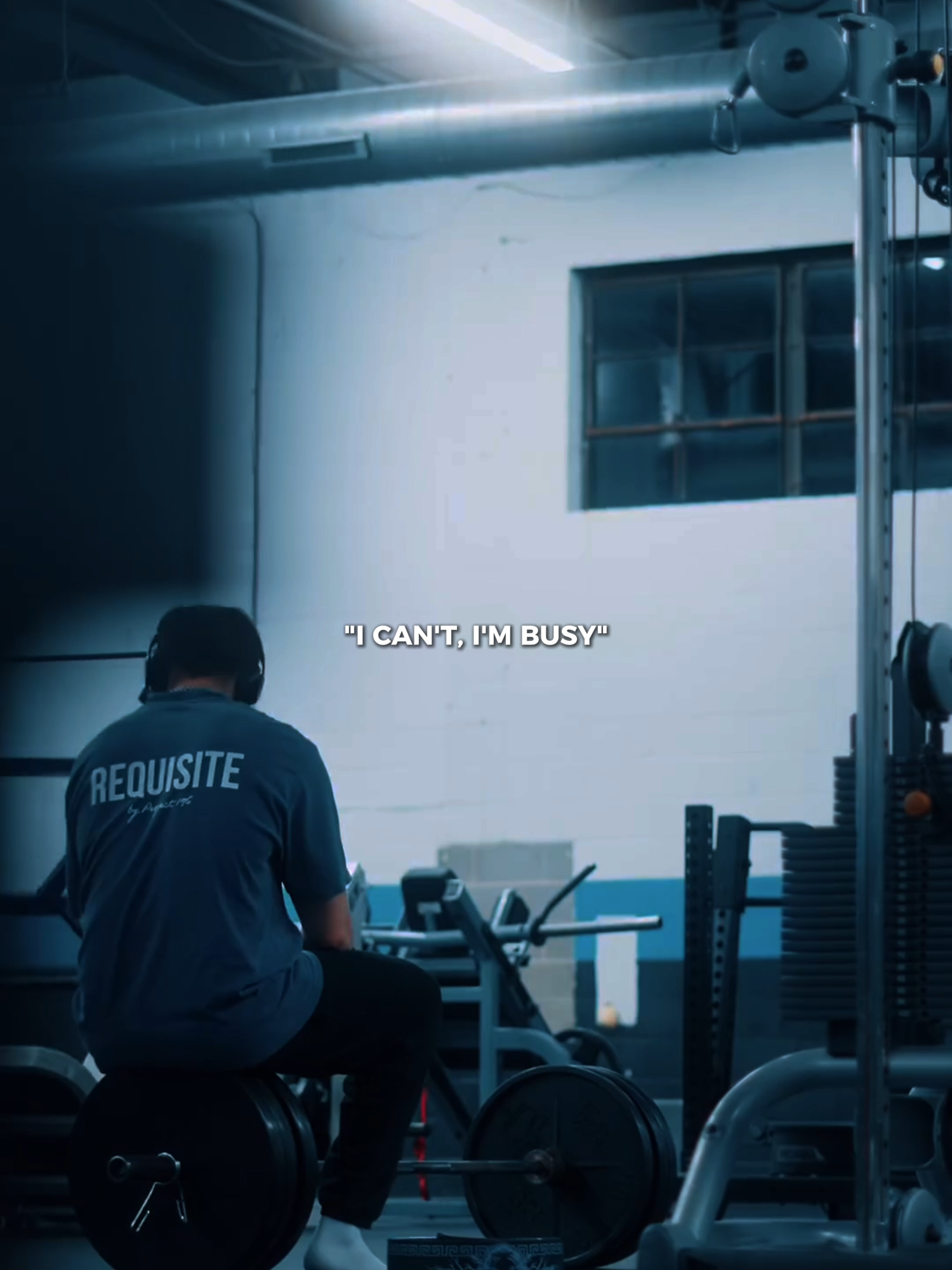
- Hook
- "I CAN'T, I'M BUSY" + A person is shown driving a car at night, with the text overlay.
- Audience
- Individuals interested in fitness, self-improvement, and potentially supplement use, as indicated by gym settings and a supplement container.
Why it works. Names the exact excuse busy professionals use to skip self care, then pivots to the brand, making the ad feel like it's calling out the viewer directly.
Initial relatable statement as a pattern interrupt (0:00-0:04): The video opens with the text "I CAN'T, I'M BUSY" overlaid on various scenes of daily life and gym equipment. Open your video with the exact excuse your target customer uses to avoid your category, displayed as blunt on-screen text.
- Reach
- 17 upvotes · 15 comments · r/HubermanLab
A community is already discussing this in r/HubermanLab. Show up there authentically and answer the thread before a competitor does.
Who amplifies them
The clearest third-party amplification comes from wellness podcaster Rich Roll (@richroll), whose two Instagram reels naming Momentous by handle are the only outside creator endorsements of real scale in the evidence. Beyond him, amplification is dominated by retail employee and store accounts tied to the brand's Vitamin Shoppe rollout: @kayla.vfit posts as a "shoppesquadambassador," and individual store handles including @vitaminshoppe_waterford334, @vitaminshoppe_elpaso616, and @vitaminshoppe_kissimmee each posted about the line landing on shelves. This reads as retail-launch amplification, staff and store accounts activated around a distribution event, rather than an independent creator economy choosing to feature the product.
Separately, the brand's paid science partners, Dr. Stacy Sims (featured directly in Meta ad creative, covered above) and Dr. Andy Galpin, who appears in a dedicated YouTube interview and was announced as a partnership on the brand's X account, function as named-expert amplification rather than organic UGC: their reach comes from a formal advisor relationship, not unprompted fan content. Outside of Rich Roll, the evidence shows no independent, large-following creator reviewing the product unprompted, a thin organic-creator layer for a brand at this scale.
07 Organic & video
The organic content engine: the videos, creator posts, and community presence earning attention without paid spend.
Momentous's own social output splits sharply between a high-production top and a thin middle. YouTube carries the documentary-style "Fuel Your Purpose" series driving views in the hundreds of thousands to millions (covered above), a format built for occasional, expensive drops rather than a weekly cadence. Its everyday TikTok output tells the opposite story: a broad, non-product motivational clip, "The price of progress is pain," pulled 9,395 engagements, while direct product pitches on the same account, like "Here at Momentous we believe in quality supplements that actually work," land in the dozens. A middle post, "I can't go, I'm busy doing this," built around the same mindset framing, drew 579 engagements, confirming the pattern rather than the top post being an outlier.
Read the full breakdown+1▾
The brand's own Instagram Reels underperform its account scale: individual reels sit at single-digit to low-teens engagement despite the account's 156,295 followers, meaning the 6,702 average engagement per post cited earlier is almost certainly carried by static and carousel posts, not video. Rich Roll's two endorsement reels (covered above) still outperform every brand-posted reel in the evidence by an order of magnitude. The format that actually performs here is broad, identity-driven short-form content, mindset and lifestyle framing, over direct product demonstration, a pattern that holds on both TikTok and Instagram.
08 Affiliate & partners
How the brand turns creators and partners into a tracked, variable-cost acquisition channel, and how the program is structured.
No affiliate or referral program link is visible on the owned site in the evidence collected. A 2018 X post calling "ISO: Momentous Ambassadors," seeking coaches and trainers to represent the brand, shows an early ambassador-recruitment motion, but nothing in the current evidence confirms an active commission-based program. The Vitamin Shoppe partnership functions as retail and in-store activation instead: a QR-code sweepstakes entry point (the Arnold Schwarzenegger giveaway, covered above) and store-account social posts, a distribution and foot-traffic mechanic rather than a paid-per-referral affiliate structure. For a brand reporting revenue north of $80 million, the absence of a visible affiliate program suggests growth here still runs through paid media and retail placement rather than a creator-commission engine.
09 The playbook
The channels are not separate. They are one system where each stage feeds the next. Here is the read, then the plays to run tomorrow.
The inferred playbook
Momentous wins the click twice, once through a branded-search moat and once through named third-party credibility, and lets its Google ad cohort's near two-year run do the compounding work paid social hasn't caught up to yet.
the same "momentous" and "momentous creatine" queries driving 55,800 and 7,700 monthly searches (covered above) get captured twice, by #1 organic product-page rankings and by the aged Google ad cohort's trust-mark and comparison creative, leaving little room for a rival to intercept that demand.
the brand builds legitimacy through named experts, Andrew Huberman, Dr. Stacy Sims, and Dr. Andy Galpin, layered across podcast partnership, paid ad creative, and YouTube interviews, substituting a network of borrowed authority for founder-led storytelling.
Dig deeper+3▾
the Vitamin Shoppe rollout, amplified by store-employee accounts and an Arnold Schwarzenegger sweepstakes, is a physical-distribution bet still in its early activation phase, unproven at the scale of the search engine but structurally different from anything else in the mix.
with no live affiliate or ambassador program detected against a large paid-media footprint, expanding a paid-per-referral layer is the most obvious lever left untouched relative to peers running heavier creator-commission motions.
the wholesale and institutional revenue split (NFL, CrossFit, Department of Defense, Vitamin Shoppe) against direct-to-consumer online sales, subscription retention or churn behind the 25%/10% Recharge structure, and blended customer acquisition cost across the roughly 400-ad Google library and 150+ active Meta ads.
Lead with identity content, not product pitches, in short-form
The proofMomentous's own TikTok account earns 9,395 engagements on a broad mindset clip against dozens for direct product posts, an order-of-magnitude gap on the same account.
The adaptationPost a short-form video about the identity or aspiration your product serves, not the product itself, using the same "price of progress" framing structure: a stark claim about the reader's ambition, then no product mention until a soft final beat. Publish on the account you already have; the mechanism is the ratio, not the platform, so track engagement on identity posts against product posts for two weeks before shifting the mix.
Cost: $0 · Time to signal: days · Works pre-PMF: yes
Answer the research-stage comparison, anchored to a named input
The proofMomentous's Google cohort runs a "Plant Protein vs. Whey" comparison ad alongside a "Creapure Sourced From Germany" single-ingredient provenance ad (both covered above), meeting buyers mid-research rather than mid-purchase.
The adaptationWrite one page or ad answering the exact "X vs. Y" question your category's buyers search before choosing, and name the specific supplier, material, or process behind your product the way Momentous names its German creatine source. Publish it as organic content first at no cost, then test a small paid budget pointing to the same page once it has traffic. Carrying over the two-part structure, comparison framing plus a named, verifiable input, is what makes the page a credibility asset instead of generic content.
Cost: under $500 · Time to signal: weeks · Works pre-PMF: conditional, only works if there is a genuine, nameable differentiator behind the product; a vague "premium ingredients" claim will not carry the same weight.
Turn a retail placement into a store-level amplification moment
The proofMomentous's Vitamin Shoppe launch spread through individual store social accounts and a QR-code Arnold Schwarzenegger sweepstakes (covered above), turning a distribution deal into localized social content.
The adaptationWhen you land any retail or wholesale placement, however small, give the retailer's staff a simple, low-effort reason to post about it, a contest, a giveaway, or a scannable code tied to a small prize, rather than leaving the placement as a silent shelf listing. Approach the buyer with a one-page activation idea attached to the pitch itself. This depends on securing a retail partner with an existing store or staff social presence, so it will not apply to a purely online business.
Cost: dedicated budget or hire · Time to signal: weeks to months · Works pre-PMF: conditional, only once a real distribution relationship exists; there is no version of this play before that.
Recruit ambassadors publicly instead of building a hidden program
The proofMomentous's own 2018 X post publicly called for coaches and trainers to become ambassadors, a recruitment motion the current evidence shows no successor to.
The adaptationPost an open call on your existing social account naming the specific type of person you want as an ambassador (a role, a skill, or a following size), and what you are offering in return, rather than building a private application funnel first. Treat it as an ongoing, repeatable post rather than a one-time announcement, since Momentous's version appears to have run once and stopped.
Cost: $0 · Time to signal: days · Works pre-PMF: yes
Trade credibility with a smaller-scale named expert
The proofMomentous layers Andrew Huberman, Dr. Stacy Sims, and Dr. Andy Galpin across podcast, ad, and video content (covered above) to carry authority a founder narrative alone would not.
The adaptationIdentify one credentialed practitioner in your category whose audience overlaps with your buyer, and propose a content swap, a joint video, an interview, or a co-branded guide, before offering any paid arrangement. Structure it the same way Momentous's Galpin content works: one focused piece framed around the expert's expertise, not a product endorsement. This scales down cleanly because it costs relationship-building time rather than a sponsorship fee.
Cost: $0 · Time to signal: weeks · Works pre-PMF: conditional, only if the expert's audience genuinely matches the buyer; a mismatched credential adds no credibility. Not transferable at an earlier stage: the near two-year-aged Google ad cohort, the national Vitamin Shoppe retail placement, and the Arnold Schwarzenegger sweepstakes tie-in all depend on either years of ad iteration or existing distribution leverage a pre-revenue founder will not yet have; adapt the underlying mechanics in the plays above, not the scale at which Momentous runs them.
You just read how Momentous does it. Tomorrow it is someone else.
Every morning we take one company that is actually growing and break down where its customers come from: the ads still running after a year, the channel doing the real work, and the play you can run this week.
Systemaic · directional intelligence. Traffic, spend, and reach figures are SimilarWeb-style estimates and qualitative reads of public data, not audited numbers. Built on real public receipts.
// teardowns with a similar GTM motion
sources & receipts (3)
Live ad libraries: meta ad library · linkedin ad library · google ad library
Traffic, spend, and revenue figures are estimates as noted in the report; the links above are the primary public artifacts.