- 01Turn discount codes into a no-infrastructure affiliate network
- 02Pre-sell each new product line as its own launch event
- 03Whitelist your best organic creator into your own ad account
- 04Add a small free-gift threshold instead of a blanket discount
01 Snapshot
The one-glance read on who they are and how they grow. Each point is verifiable from the receipts above.
A direct-to-consumer knives and cookware brand built through serial Kickstarter launches; its 2025 knife relaunch video drew 1,383,219 views, its single biggest organic hit.
Paid-led, anchored by a Google and Meta ad library active since 2023 and amplified by creator UGC.
About 494,845 monthly visits (+3.9% over 3 months) as of 2026-07-30, 101K Instagram followers, and roughly 700 active Google ads plus 200+ active Meta ads.
As of 2026-07-30, the newest Google and Meta creatives push a Red Dot Award claim and a "switching from Teflon" narrative alongside a customer testimonial.
Each new product line gets its own Kickstarter campaign to build demand, then a handful of direct-response ad concepts run for years to convert the brand searches that demand creates.
02 How it unfolded
The order the channels came online. Sequence is strategy: what they did first, and what they layered on once demand existed.
03 Traffic & channel mix
Estimated demand, the channel split behind it, and the keywords and referrers doing the work. Directional modeling, not audited analytics.
Misen draws an estimated 494,845 monthly visits, up 3.9% over the trailing three months as of 2026-07-30. No further channel-by-channel breakdown is available in this pull, but keyword rankings point to a brand-capture pattern: Misen ranks #1 for its own brand terms: misen, misen cookware, misen carbon nonstick, misen knife, and misen knives. That means organic search is mostly capturing existing demand rather than winning new discovery on generic cookware terms, consistent with a company whose ad spend creates the awareness its organic listings then collect. Third-party creator reviews repeatedly group Misen with Made In, Our Place, HexClad, and Caraway as the current wave of "viral cookware brands," the closest thing to a named competitive set in the available evidence.
04 Organic content
The specific pages earning their organic search traffic, and the pattern behind why they rank. Adapt the format, not the topic.
Their top organic pages are dominated by shopping surfaces: the homepage and the carbon-nonstick, cookware, and knives collection pages account for the bulk of organic visits among their top five pages, ahead of any blog or guide content. The one non-transactional entry is an ingredient-substitution guide ("13 Smart Kitchen Swaps"), a broad recipe-adjacent search that answers a common cooking question rather than a branded one. The pattern is that search demand mostly lands buyers directly on category pages already searching for a cookware type (carbon nonstick, knives), with only a single top-of-funnel content page proving that non-branded, question-based content can also earn real organic traffic alongside them.
Top pages by organic traffic
05 Channel map
Not traffic share. How much weight the growth system actually puts on each channel, with a one-line read on the role it plays.
What drove growth
06 The creative doing the work
Each exhibit shows the actual asset, an X-ray of why it works, a status, and a play you can adapt. This is the heart of the teardown.
Misen runs a ~700-ad Google library (a sampled 240 of them, all still active, is directional on total size) alongside a ~207-ad Meta library (a sampled 80, all still active) as of 2026-07-30. The longest-running Google ad has been active 1,071 days, since August 2023, making the Google "60-day trial" family a genuinely proven bet rather than a fresh test.
Hook: "Cut The Middleman Costs, 60 Days Test Drive" / "Buy Once, Guaranteed Forever." Why it works: It stacks two objection-killers in one line: a DTC-versus-retail price argument and a reversible-risk trial, which together neutralize the two biggest hesitations around paying premium prices for cookware sight-unseen. Run this play: Pair a "why we're cheaper" structural claim with a no-risk trial window directly in the headline, not buried in the landing page.
Hook: "I finally found a nonstick pan that actually works," spoken over an egg-crack demo. Why it works: The peer-testimonial phrasing plus the classic egg-crack proof-test deliver belief and visual proof in the same three seconds, and the format shows up in at least five separate proven-winner variants in the library. Run this play: Script UGC around your product's single most-doubted claim, then stage the exact test a skeptic would run themselves as the opening shot.
Hook: "So have you ever been cooking in a non-stick pan and the only thing," cut off mid-sentence. Why it works: Opening on a half-finished, universally recognized frustration (food sticking, flaking) reads as a real complaint rather than a pitch, so viewers stay to hear the resolution instead of scrolling past an ad. Run this play: Open video ads on an unfinished, relatable gripe about the category, and let the product interrupt it rather than introducing the product first.
The ads route to product and collection landers ("Premium Kitchen Knives for Every Chef," "Carbon Nonstick Frying Pan," "Premium Kitchen Knives & Cookware," "4 QT Stainless Steel All-Purpose Pan") rather than a dedicated funnel-only page, and all four carry the same visible price ladder from $99 up to $614 with a sitewide 15%-off code (NEW15) and bundle sets merchandised near those price points. The knife-focused ads (the "AICHI ACUTO440 steel" video and the Google "One perfect knife" image ad) point buyers at the knife lander carrying that ladder, while the "Plot twist: not all nonstick pans have toxic coatings" video points at the Carbon Nonstick pan page with the identical discount code.
Underneath the deep sitewide code, Meta's dynamic-creative ads run a lighter, separate offer stack aimed at new-visitor capture: a "10% off to get you started" welcome discount, a free pair of kitchen shears ($24 value) on any first order over $50, and a Shop Pay installment message ("Pay over time with Shop Pay") pitched directly in ad copy. The $50 shears threshold and the installment option both function as AOV levers on a category where the entry price point sits near $99 to $184, nudging a single-item cart toward a bundle rather than a one-off purchase.
- Running
- 59 days (longevity = it's converting)
- Hook
- 0:00-0:03: A man in glasses and a blue shirt under a dark jacket holds a dark gray frying pan. He says, "Okay, I found the nonstick pan that actually finally deserves the name."
- CTA / offer
- CHECK IT OUT TODAY
- Audience
- Home cooks frustrated with underperforming nonstick pans, indicated by the problem-solution framing and emphasis on durability and ease of use.
Why it works. A man holds the pan while making a category wide claim about what 'nonstick' should mean, positioning Misen as the standard other pans fail to meet.
Problem-solution framing with a bold claim (0:00-0:05: "Okay, I found the nonstick pan that actually finally deserves the name.") Instead of just praising your product, reframe the claim as your product being the only one that lives up to its own category name.
- Running
- 112 days (longevity = it's converting)
- Hook
- "So have you ever been cooking in a non-stick pan and the only thing" - A close-up shot of a black non-stick pan with rice, corn, and chicken being stirred by a metal spoon.
- Audience
- Home cooks who use non-stick pans and are frustrated by their fragility, as evidenced by the voiceover directly addressing this common problem.
Why it works. Opens with an unfinished, hyper-specific cooking scenario that withholds the complaint, prompting viewers to keep watching to hear what breaks.
Problem Agitation (0:00-0:08): The voiceover asks, "So have you ever been cooking in a non-stick pan and the only thing you can reach to stir is a metal spoon so you hesitate, feeling guilty and ashamed because you know it's wrong?" Start your video mid-sentence describing a specific, relatable moment with your product category, and hold back the punchline until seconds later.
- Running
- 111 days (longevity = it's converting)
- Hook
- A close-up shot of a silver knife blade with ":: MISEN" engraved on it. The text overlay reads: "After 10 years, Misen is revolutionizing knives."
- Audience
- Home cooks and culinary enthusiasts who appreciate high-quality kitchen tools but are frustrated by the maintenance requirements or limitations of traditional high-end knives. This is signaled by comparing German and Japanese steel knives and highlighting their respective drawbacks, then presenting Misen as the superior solution.
Why it works. Shows the brand engraving on the blade itself as the claim appears on screen, tying the revolutionizing knives claim to a tangible product detail.
Bold claim and visual reveal at 0:00-0:05: "After 10 years, Misen is revolutionizing knives. Again." followed by a shot of multiple Misen knives. When making a brand-history claim, show a close-up of a physical brand mark on the product itself rather than a generic product shot.
Show 7 more exhibits
- Running
- 108 days (longevity = it's converting)
- Hook
- After 10 years, Misen is revolutionizing knives. Again. A close-up shot of a Misen knife blade, slowly rotating.
- Audience
- Home cooks and culinary enthusiasts who appreciate high-quality tools but are also practical and value ease of maintenance. Signaled by the focus on 'best Misen knives ever', comparison to high-end brands, and emphasis on rust-proof and low-maintenance features.
Why it works. Anchors the revolutionizing claim to a specific ten year tenure and the word again, implying a track record rather than a first-time unproven promise.
Problem-solution framing with competitor comparison (0:13-0:29): The ad first highlights the care requirements of 'Most high-end knives' and then contrasts 'German steel' (frequent sharpening) and 'Japanese steel' (chipping and rust) with visual examples. Ground your innovation claim in a specific number of years in business to imply a track record of delivering on similar promises before.
- Running
- 76 days (longevity = it's converting)
- Hook
- Visual: A person cracks two eggs into a frying pan on a stovetop. On-screen text: "I finally found a nonstick pan that actually works". Audio: "I finally found a nonstick pan that actually works".
- Audience
- Home cooks who prioritize non-toxic cookware, durability, and ease of use, as evidenced by the focus on 'non toxic', 'naturally nonstick', 'no scratching or flaking', and 'makes cooking so much easier'.
Why it works. First-person finally-found phrasing implies a long search through failed alternatives, making the endorsement feel like relief rather than a pitch.
Problem-solution hook with direct claim (0:00-0:03): "I finally found a nonstick pan that actually works" while showing eggs effortlessly cooking. Frame your product's benefit as something the speaker searched for and finally found, rather than as a standard feature claim.
- Running
- 3 days (new — still being tested)
- Hook
- "Something super interesting about switching from Teflon and ceramic to Misen's carbon nonstick is how fun it is to use metal tools and spatulas and tongs again." A close-up shot of two pieces of marinated chicken cooking in a pan with green sauce, being moved by metal tongs.
- Audience
- Home cooks who are frustrated with the limitations and potential health concerns of traditional nonstick pans (Teflon, ceramic) and desire durable, safe, and easy-to-use cookware.
Why it works. Names the one thing Teflon and ceramic owners are trained to avoid, metal utensils, and shows it happening on camera, turning a spec into a felt daily relief.
Directly addresses a common pain point with competitor products by showing the solution. "Something super interesting about switching from Teflon and ceramic to Misen's carbon nonstick is how fun it is to use metal tools and spatulas and tongs again." (0:00-0:03) Pick the single habit your product frees people from doing carefully, then show that habit being broken on camera as proof of durability.
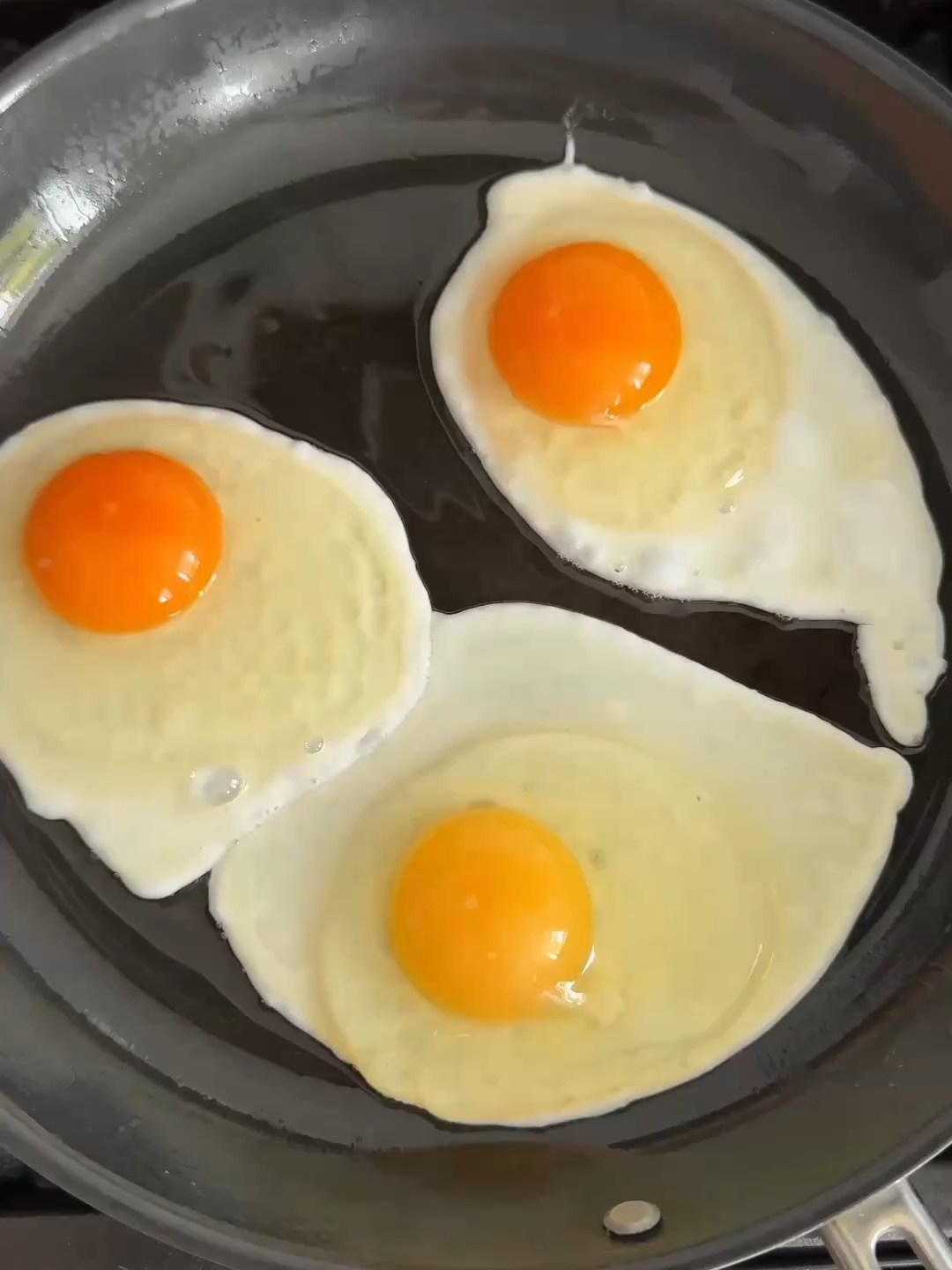
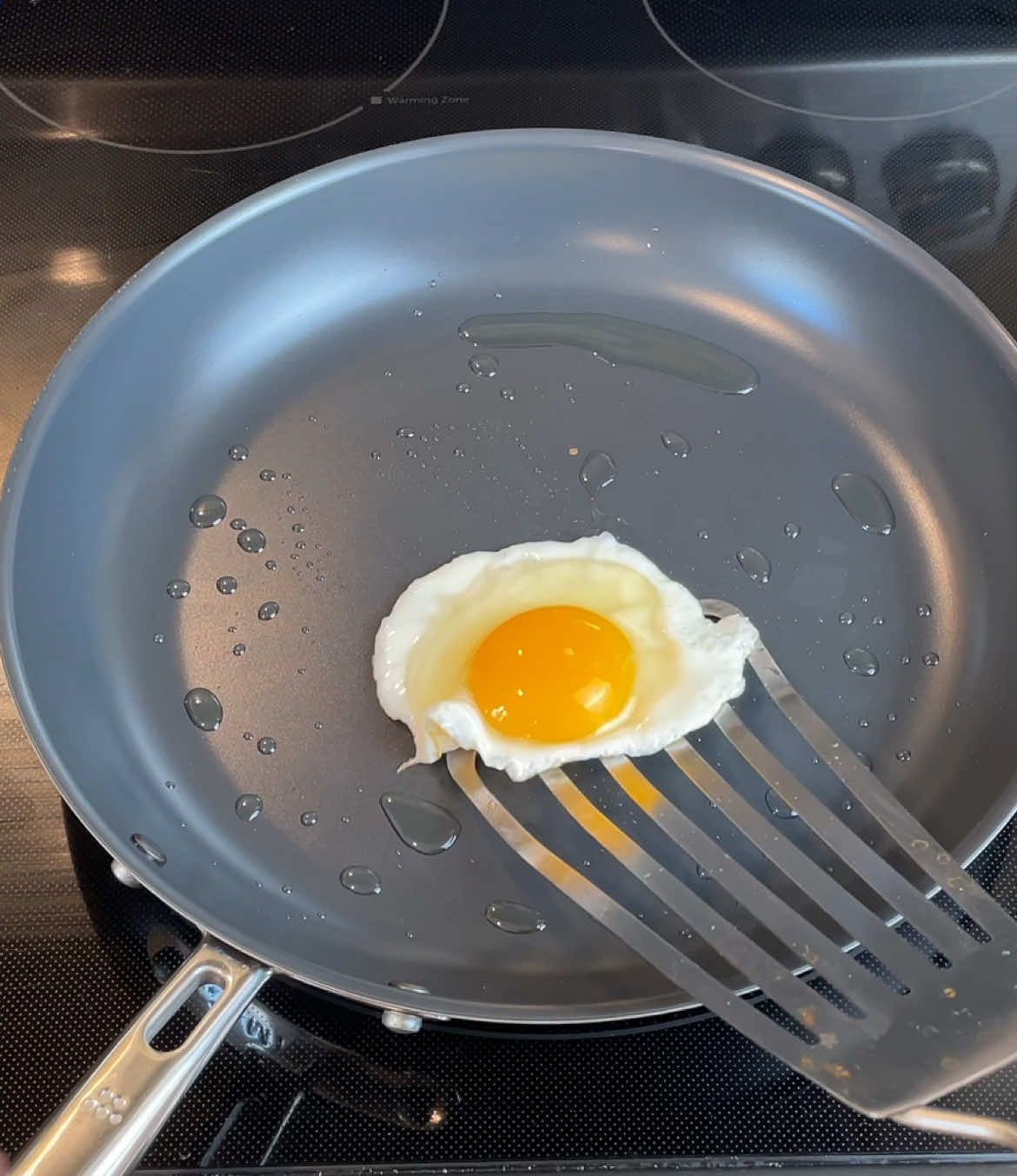
I Tested the Most Viral Cookware Brands I tested Made In, Misen, Our Place, HexClad, and Caraway to find out which of these viral cookware brands are worth buying (and which ones to avoid). Comment “pan” and I’ll send you links to the winners and to the full review where you can see all my test results!
- Reach
- 4 upvotes · 52 comments · r/cookware
A community is already discussing this in r/cookware. Show up there authentically and answer the thread before a competitor does.
Who amplifies them
Amplification runs almost entirely through third-party creators rather than a founder-led personal account; no verified founder social profile appears in the available evidence, so all "in their own voice" content here comes from the brand's own handle or from creators. Prudent Reviews (prudentreviews) is the most substantial unpaid voice, running comparison content across TikTok and Instagram that places Misen alongside Made In, Our Place, HexClad and Caraway, the competitive set referenced above. Food Parables posts as a paid partner with a personal discount code ("GRANNY"), later disclosing the relationship with an #ad tag on a repeat post about the same Carbon Nonstick pan. theblakeguidry runs a separate 15%-off affiliate code ("BLAKEGUIDRY"), and creator donaldglover describes becoming "officially affiliated" with the brand's stainless steel line after years of organic use.
Two creators cross from organic into paid media directly: Chloe Olson and The Chef Smarty Pants both appear as whitelisted Meta advertiser pages running the brand's ad spend under their own creator handles, meaning Misen is paying to distribute creator-shot footage through the creators' own accounts rather than its own page. Smaller organic mentions include _cookwithchlo, who explicitly flags a roasting-pan post as unpaid ("this is NOT a sponsored post"), and friends_and_neighbors_, who discloses being paid in product plus a sales commission, "we do make commission off of sales through our link." A subreddit thread in r/cookware and a handful of independent review sites (Trustpilot, the Better Business Bureau complaints page, a knife-focused review site) also discuss the brand, but that chatter skews toward unresolved quality and support complaints rather than promotion.
07 Organic & video
The organic content engine: the videos, creator posts, and community presence earning attention without paid spend.
Misen's own video output runs in bursts tied to launches rather than a steady drumbeat: its YouTube channel dropped a dozen evergreen how-to tutorials (seasoning, sharpening, honing, carving) all on the same day, then went quiet until a single Kickstarter-tie-in upload nearly three years later, then resumed with the AICHI ACUTO440 knife relaunch covered above. That launch-burst rhythm repeats on Instagram: after a visible posting gap, the account's top-performing reel is the new CEO Michael Mahoney introducing himself directly to camera, "Hi, I'm Michael, Misen's new CEO, and I can't wait to start sharing with you again... People have wondered if we're still in business. Let me assure you, rumors of our demise have been greatly exaggerated," pulling 993 engagements as a re-entry moment rather than a product push.
Read the full breakdown+1▾
Third-party video is where the real reach sits. Prudent Reviews' comparison-style TikTok, "Misen Carbon Nonstick Pan Review: Does It Live Up to the Hype?", drew 43,700 engagements by testing the brand's own durability claims against eggs, tomatoes and metal utensils, the single biggest organic hit outside Misen's owned channels. TheJenGLV's "FINALLY Found A New Chefs Knife" post (3,482 engagements) and a run of smaller creator unboxings and pan tests in the 250-2,500 engagement range round out the format: talking-head verdict videos and hands-on demo clips consistently outperform straight product shots, and the skeptical-test framing (does it really do what the ad claims) is the throughline across the brand's biggest organic wins, both owned and earned.
08 Affiliate & partners
How the brand turns creators and partners into a tracked, variable-cost acquisition channel, and how the program is structured.
Misen runs an informal, creator-by-creator affiliate motion rather than a disclosed platform program: personalized discount codes (GRANNY, BLAKEGUIDRY, LANCE10B) double as attribution links, at least two creators (Chloe Olson, The Chef Smarty Pants) have been folded into the paid ad account as whitelisted partners, and friends_and_neighbors_'s disclosure confirms a standing commission arrangement behind at least some of these placements. No dedicated affiliate-program page, referral-param structure, or ambassador-recruitment page turned up in the site evidence. That combination, real commission and whitelisting relationships but no visible self-serve program, suggests the brand hand-picks and manages partners individually rather than running an open affiliate funnel.
09 The playbook
The channels are not separate. They are one system where each stage feeds the next. Here is the read, then the plays to run tomorrow.
The inferred playbook
Misen's loop starts with a manufactured demand spike around each new product, then spends years converting the brand-search and retargeting pool that spike creates.
Each product generation gets its own launch moment, the AICHI ACUTO440 knife relaunch and the Carbon Nonstick pan introduction covered above, which throws off outsized organic views and press-style attention; the ad account then runs a small set of evergreen Google and Meta concepts against that residual demand for years rather than constantly testing new hooks.
A wide bench of micro-to-mid creators builds organic trust and hands the brand a testing ground for hooks and offers; the strongest performers get absorbed into the paid account as whitelisted pages, turning UGC into an owned, repeatable ad asset instead of a one-off post.
Dig deeper+2▾
Recurring complaints on Reddit, Trustpilot, and the BBB about coating failures and slow warranty support represent a durable trust risk that the paid-acquisition engine has to keep overcoming with new proof-based creative rather than the brand visibly resolving in public.
blended customer acquisition cost across the Google and Meta spend, the repeat-purchase rate that would show whether knife buyers convert into cookware buyers (or vice versa), and how order volume splits between the owned site and any marketplace listings.
Turn discount codes into a no-infrastructure affiliate network
The proofMisen tracks creator partnerships through personalized codes like GRANNY and BLAKEGUIDRY rather than a formal affiliate platform, with at least one partner confirming a standing commission arrangement.
The adaptationPick five creators or bloggers already talking about your category, offer each a unique discount code tied to their name with a flat commission on redemptions, and track results in a spreadsheet before ever paying for affiliate software. Start with the creators who have already mentioned your product unprompted, the same pool Misen pulled its partners from, since their audience is pre-warmed.
Cost: $0 · Time to signal: days · Works pre-PMF: yes
Pre-sell each new product line as its own launch event
The proofMisen's growth-by-crowdfunding pattern, expanded as the one read above, gives every new SKU its own dedicated campaign rather than a quiet catalog addition.
The adaptationBefore shipping your next product variant, build a single-page pre-order campaign with a public backer count and a deadline, and email your existing list before opening it to cold traffic, mirroring the campaign-per-SKU structure rather than a soft launch. Treat the campaign as pre-registration for real demand data, not just funding.
Cost: under $500 · Time to signal: weeks · Works pre-PMF: conditional, it depends on having an existing list or press hook to generate first-day velocity, and each campaign is a one-time event rather than an always-on channel.
Whitelist your best organic creator into your own ad account
The proofMisen runs paid Meta spend through creator-owned advertiser pages (Chloe Olson, The Chef Smarty Pants), turning organic reviews into paid inventory it controls.
The adaptationIdentify the one unpaid creator post about your product with the strongest organic engagement, reach out to negotiate usage rights and Meta's partnership ads (whitelisting) feature, and run a small paid test behind their handle instead of your brand page, since their existing follower trust often outperforms a cold brand account on click-through. Lead with the exact post that already proved itself organically.
Cost: under $5k · Time to signal: weeks · Works pre-PMF: conditional, this only works once you have organic UGC worth amplifying.
Add a small free-gift threshold instead of a blanket discount
The proofMisen's newest offer stack pairs a sitewide code with a narrower "$50 spend gets a free $24 item" threshold gift, layered on top of the discount rather than replacing it.
The adaptationPrice a low-cost accessory or add-on at roughly a quarter of your average order value, and offer it free above a spend threshold set just above your current cart average, so the gift nudges a single-item purchase into a bundle instead of eating margin on every order like a sitewide percentage discount does. Test the threshold amount against your actual AOV, not a round number.
Cost: under $500 · Time to signal: weeks · Works pre-PMF: yes
Batch-produce a foundational how-to library around every launch
The proofMisen's YouTube channel front-loaded a dozen evergreen tutorials in a single day rather than drip-feeding content, seeding long-tail search and suggested-video traffic that still surfaces years later.
The adaptationAround your next launch, script and shoot 8-10 short how-to videos covering the most common "how do I use/clean/fix this" questions for your product category in one production session, publish them together, and let search traffic accumulate rather than treating video as a weekly content calendar. Use the batch to answer the exact objections a first-time buyer would search before purchasing.
Cost: under $500 · Time to signal: months · Works pre-PMF: yes Not transferable at an earlier stage: the multi-year, six-figure-plus Google and Meta ad libraries and the whitelisted-creator ad program both assume years of accumulated spend data and existing creator relationships that a pre-revenue founder will not yet have; adapt the underlying mechanics above, not the scale.
You just read how misen does it. Tomorrow it is someone else.
Every morning we take one company that is actually growing and break down where its customers come from: the ads still running after a year, the channel doing the real work, and the play you can run this week.
Systemaic · directional intelligence. Traffic, spend, and reach figures are SimilarWeb-style estimates and qualitative reads of public data, not audited numbers. Built on real public receipts.
// teardowns with a similar GTM motion
sources & receipts (21)
Live ad libraries: meta ad library · google ad library
Researched facts: Funding total raised (third-party estimate): Crunchbase lists $5.91M raised across 3 fundi · Seed round date: Misen's first funding round was a Seed round raised September 21, 2017 · Founders and founding year: Misen was founded in 2015 (Brooklyn, NY) by Josh Moses and Oma · Kickstarter launch and early momentum: Misen launched its first Kickstarter (an 8-inch che · Final result of the original chef's-knife Kickstarter: The campaign closed having raised $ · Origin of the company name: "Misen" derives from the French culinary term "mise en place," · Stated customer base: Misen states on its own site that over 100,000 home chefs trust Mise · 2024 revenue estimate: Third-party e-commerce data platform ECDB estimates misen.com gener · Recent revenue momentum: Grips Intelligence reports misen.com revenue grew 120% over the t · Chef's-knife pricing (clearance): Misen's original 8-inch Chef's Knife (AUS-10 steel) is m · Product guarantee / return policy: Misen backs cookware with a 60-day risk-free home trial · Omnichannel fulfillment partnership: In May 2024, cookware brand Misen selected Cart.com a
Community threads: Slickdeals (deal forum comments): Long-term owner of Misen's 5-ply stainless steel cookwar · Slickdeals (deal forum comments): Commenter on a Misen chef knife deal thread reports an u · Big Green Egg Forum (eggheadforum.com): Cooking/grilling forum user says their Misen knife · Trustpilot: Trustpilot reviewer says the Misen Carbon Nonstick pan's coating disintegrated · Better Business Bureau complaints page: BBB complaint alleges Misen's Carbon Nonstick Cook · Pitmaster Club forum (amazingribs.com): Repeat Misen Kickstarter backer explains buying th · Nothing But Knives (review site with reader comments): Knife review site updated its Misen
Traffic, spend, and revenue figures are estimates as noted in the report; the links above are the primary public artifacts.