- 01Recruit creators through a shop-linked commission program
- 02Track word-of-mouth with personal discount codes
- 03Bid on a named competitor to intercept comparison shoppers
- 04Turn a small real-world event into creator-made content
01 Snapshot
The one-glance read on who they are and how they grow. Each point is verifiable from the receipts above.
DTC women's athleisure and loungewear (leggings, dresses, jeans, rompers) via halara.com, carrying a "Lululemon dupe" reputation and a live TikTok Shop creator-reseller army.
Paid-led, layered on top of a TikTok Shop creator-UGC engine.
~5.7M monthly visits, 2.69M Instagram followers, and an estimated $313M in 2024 revenue (third-party e-commerce estimate, not company-disclosed).
A scarcity-driven wave ("LAST CHANCE," "FINAL HOURS," "SALE ENDS SOON") alongside a fresh batch of Google video ads first shown 2026-07-10 was live as of 2026-07-12.
The flywheel is a very large always-on paid machine on Google and Meta landing straight on templated product pages, with TikTok Shop creators supplying the organic "proof" that the paid ads then amplify, not a single viral moment carrying the brand.
02 Traffic & channel mix
Estimated demand, the channel split behind it, and the keywords and referrers doing the work. Directional modeling, not audited analytics.
Traffic sources
Top search keywords
| Keyword | Volume | Weight | CPC |
|---|---|---|---|
| halara | 225k | $2.93 | |
| halara canada | 4.6k | $0.65 | |
| aritzia | 708k | $0.30 | |
| halara reviews | 5.5k | $1.25 | |
| linen pants | 111k | $0.67 |
Top referring sites
Closest competitors by audience
Halara pulls an estimated ~5.7M monthly visits, down 7.8% over the last 3 months as of 2026-07-12. The mix is paid-dominant: Search Paid leads at 27.1%, Social Paid follows at 18.5%, and Search Organic sits at 11.5%, meaning roughly 45% of traffic is bought through search and social ads, and closer to 55% once Display (10.4%) is counted as paid. Email (11.2%) and Direct (11.1%) each contribute a further tenth, while affiliate (5%) plus organic social, referrals, and emerging AI search together make up the remaining tenth. On keywords, they capture their own name at real volume ("halara," 224,990 searches/mo) and a category term ("linen pants," 111,260 searches/mo), but the standout is that they also bid into "aritzia" (707,810 searches/mo), a direct competitor's brand name, a conquesting play rather than organic demand capture. The top referring sites, thehalara.au, thehalara.de, and thehalara.fr, aren't earned press or partner links, they're the brand's own international storefronts, meaning cross-border shoppers bouncing between country domains, not third-party referral traffic. Named competitors span lululemon.com (the brand it's most directly benchmarked against in Reddit reviews), fabletics.com (a subscription-model rival with a different monetization structure), and spanx.com (shapewear overlap given Halara's "tummy control" and shaping lines).
03 Organic content
The specific pages earning their organic search traffic, and the pattern behind why they rank. Adapt the format, not the topic.
The organic footprint is concentrated almost entirely on the homepage (~231,000 organic visits/mo, 68.7% of the tracked total) with the rest split across category collection pages: dresses-skirts, a Canadian pants collection, joggers, and leggings. This is a branded-navigational pattern, not a content-marketing one: the ranking keywords are exact-match product terms ("halara pants," "halara dress," "halara leggings," "halara shorts") where Halara already holds the #1 spot, meaning the pages win because shoppers are searching the brand name plus a category, not because of editorial or how-to content. The strategic read: the SEO engine is riding brand-search demand that paid media and creator UGC generate elsewhere, rather than building standalone discovery content.
Top pages by organic traffic
04 Channel map
Not traffic share. How much weight the growth system actually puts on each channel, with a one-line read on the role it plays.
What drove growth
05 The creative doing the work
Each exhibit shows the actual asset, an X-ray of why it works, a status, and a play you can adapt. This is the heart of the teardown.
Google's library runs an estimated ~2,000 active ads (a sample of 240 was pulled and every single one was still live, so the true count is directional but large), with the longest-running active ad at ~558 days as of 2026-07-12. Google's creative skews to search text ads driving localized storefronts ("Halara Flash Sale | 70% Off," "Buy 1 Get 1 Free," "Summer Deals Up To 70% Off") across ca.halara.com, eur.halara.com, and the main domain. Meta's total isn't summarized in the evidence, but the sample spans dozens of live creatives across video, image, and dynamic product formats, with proven winners running 264 to 557 days, a longevity range that clears the bar for genuine "proven winner" status rather than a fresh push. The three evergreen Meta hooks below carry that rotation.
Hook: "Comfy & stylish for any occasion 🎁 Look good and feel good too 👏 A selection of color choices 🧡" (video, first shown 2025-01-02, ~557 days active as of 2026-07-12). Why it works: It leads with comfort-and-style reassurance instead of urgency, then shows a wide color range, letting the variety of options do the conversion work rather than a discount clock. Run this play: Pair a low-pressure, benefit-first hook with an on-screen variant carousel so undecided browsers self-select a color instead of leaving to compare.
Hook: "✨ Perfect for Fashion and Function! ✨ Great for indoor and outdoor activities! ✨ Get yours NOW!" (dynamic product carousel, first shown 2025-10-15, ~271-273 days active, six near-identical live variants). Why it works: As a dynamic product ad, the same three-line script auto-populates per-viewer product images from the catalog, which is why six copies of it are all still running at once without fresh creative work. Run this play: Build one approved copy template and feed it a product catalog feed so a single script scales across an entire SKU range automatically.
Hook: "Get support for your various activities! ✨ Sweat-wicking & breathable! 🥰" (video, first shown 2025-10-14, ~272 days active). Why it works: It opens on a functional performance claim (support, sweat-wicking) before the style pitch, pre-empting the athleisure shopper's real objection: does this actually perform like real activewear. Run this play: Open on the functional spec that differentiates the product from lookalikes, then pivot to style, so performance-skeptical shoppers don't bounce before the fashion pitch lands.
Against that evergreen rotation, the newest wave leans hard into urgency: "LAST CHANCE TO GET DD-F CUPS," "ONLY $29.95 SALE ENDS SOON," "FINAL HOURS," and a "buy 2 for $69" jumpsuit bundle, plus a feature-callout product demo ("Why does this dress turn out to be my favorite purchase ever?" with crossover-design, side-pocket, and maxi-length callouts) and a built-in-bra UGC talking-head ad. A fresh set of Google video test ads also went live 2026-07-10, ~2 days old as of the observation date. The contrast is clear: the proven winners sell calm reassurance and function, while the current tests sell scarcity and countdown pressure.
Winning ads land on a mix of destinations, and the routing quality varies. The "Get support for your various activities" video sends traffic to a direct product page (SoftlyZero Crossover Pocket leggings, UPF50+) with full product schema markup. The "Comfy & stylish for any occasion" creative routes German traffic to localized product pages on thehalara.de (fitness shorts, a mini tennis skirt), showing real market-specific localization rather than a single global lander. Notably, the "Perfect for Fashion and Function" dynamic ad also points at least one variant to a dead page ("Oops! We can't seem to find the page you're looking for"), a live funnel leak on an ad that's been running for months. The same "Perfect for Fashion and Function" ad also lands on a best-sellers collection page carrying the core price architecture: free standard shipping at $79+, cash-redeemable loyalty points at $99+, and free accessories at $99+ and $149+, layered over item prices in the $29.95-$59.95 range with buy-2 bundle pricing (for example, two items for $34 or $69) doing the real per-unit discounting.
- Running
- 557 days (longevity = it's converting)
- Hook
- "This is so cute. It's exactly what I needed." + Woman in a black wide-leg jumpsuit with her arms outstretched.
- CTA / offer
- SHOP NOW
- Audience
- Young women (mentions 'back to school shopping' and uses 'you guys')
Why it works. An outstretched-arms full-body reveal of the black jumpsuit lets shoppers judge fit and drape while it plays as a spontaneous outfit reaction.
Physical stretch demonstration at 0:08 ("Like it's so stretchy. Look at that.") Show the full garment with arms outstretched or moving to reveal drape and fit within the first few seconds of a reaction-style clip.
- Running
- 448 days (longevity = it's converting)
- Hook
- "So cute. It's exactly what I needed." + Woman in a green romper standing in front of a mirror with a "50% OFF" graphic overlay.
- CTA / offer
- UP TO 50% OFF
- Audience
- Young women, specifically students looking for "back to school shopping" options.
Why it works. Pairs a spontaneous mirror reaction with a persistent 50% off overlay so emotional payoff and a discount hit the viewer at the same time.
Tactile Demonstration at 0:08 ("Look at that") Layer a persistent discount graphic over an authentic try-on reaction clip so emotional and price triggers hit in the same frame.
- Running
- 323 days (longevity = it's converting)
- Hook
- "Cozy season is here, and these are the comfiest overalls that you'll want to wear all day long." shown on a split screen with pink and black overalls on hangers (left) and a woman holding the pink pair (right).
- CTA / offer
- SHOP NOW
- Audience
- Women looking for casual, comfortable, and stylish loungewear for cold weather.
Why it works. Split screen pairs the full color rack with a woman holding one pair, so seasonal comfort shoppers see both variety and real fit in one frame.
Rapid Feature Callouts (0:06-0:14) Split your screen between a rack shot showing color options and a close-up of someone holding one piece, so variety and fit read at once.
Show 7 more exhibits
- Running
- 272 days (longevity = it's converting)
- Hook
- "I'm really sorry. We only have nine colors for these wide leg jeans." + A woman in a black ruffled top and blue wide-leg jeans dancing next to a product image of the same jeans.
- CTA / offer
- UP TO 50% OFF
- Audience
- Women looking for trendy 'WIDE LEG STYLE' clothing that prioritizes comfort with 'FOUR-WAY STRETCH' and a 'NO ZIPPER' design.
Why it works. A fake apology for offering nine colors flips a product spec into a joke, making variety feel like an amusing 'problem' worth solving by buying.
Humble Brag Hook (0:00 - "I'm really sorry. We only have nine colors...") Turn a genuine product strength (like color count or stretch level) into a mock apology to make the brag feel self-aware, not boastful.
- Running
- 272 days (longevity = it's converting)
- Hook
- "Why does this pair of jeans turn out to be my favorite purchase ever." visual of a woman pulling the waistband of dark blue jeans.
- CTA / offer
- SHOP NOW
- Audience
- Women seeking comfortable, high-stretch denim that maintains its appearance (no pilling/fading).
Why it works. A self-directed question about why these jeans became her favorite invites viewers to keep watching for the specific proof, not just a claim.
Visual Objection Handling (0:05-0:11) Open with a question phrased as if you're asking yourself why the product became a favorite, then answer it with a visual comfort test.
- Running
- 540 days (longevity = it's converting)
- Hook
- "HALARA Wide-Leg Jumpsuit" text overlay while a woman zips up the side of a black jumpsuit at 0:00.
- Audience
- Women looking for versatile, functional fashion (demonstrated by the inclusion of pockets and quick styling).
Why it works. Opens mid-action zipping up the jumpsuit like organic 'get ready with me' content, so the product tag reads native, not sponsored.
Action-oriented opening (0:00-0:02) Overlay just your product name during a 2 second mid-action clip (zipping, buttoning) instead of a scripted intro to feel like organic GRWM content.
- Reach
- 3,956 upvotes · 121 comments · r/mildlyinfuriating
A community is already discussing this in r/mildlyinfuriating. Show up there authentically and answer the thread before a competitor does.
Who amplifies them
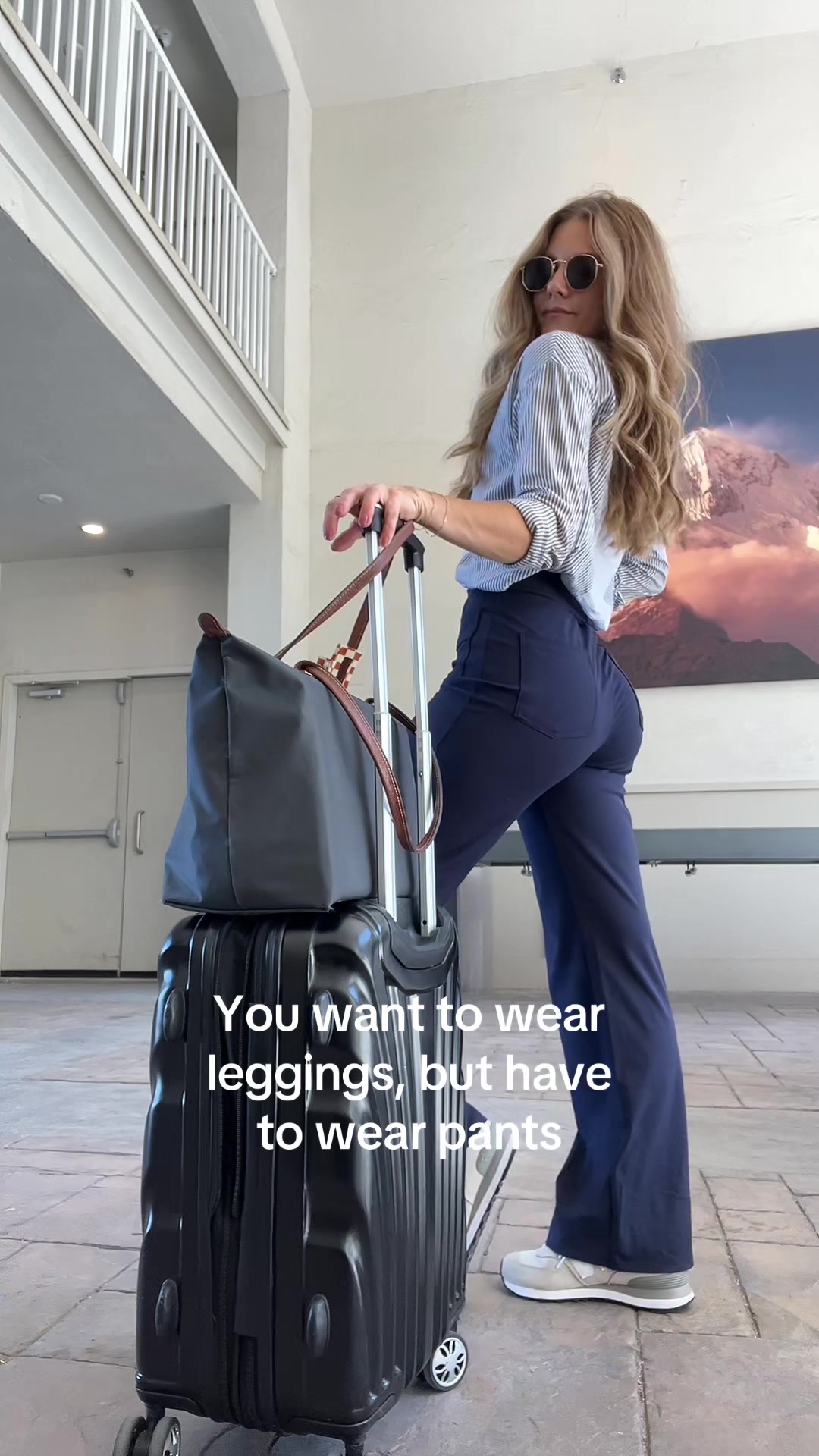
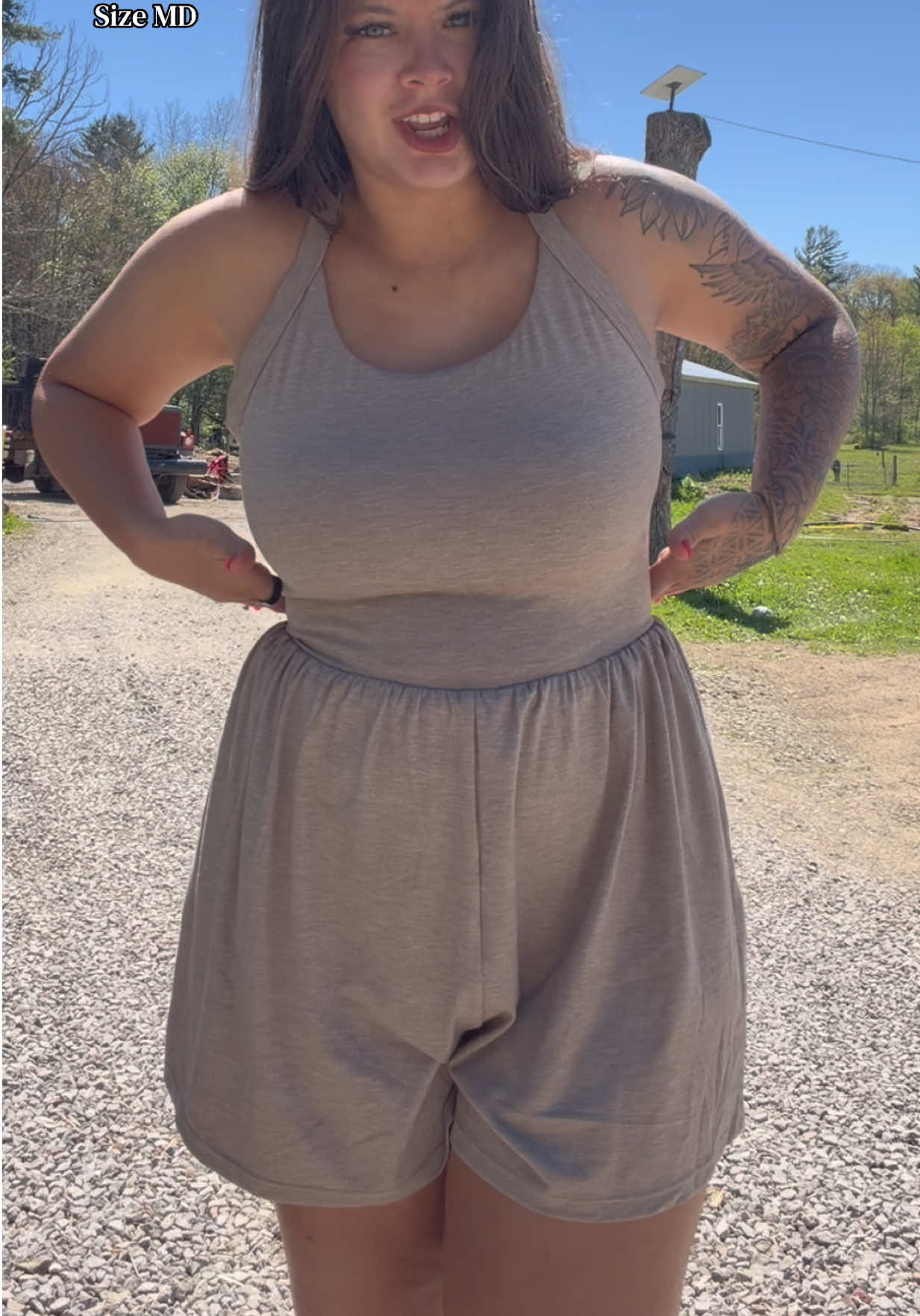
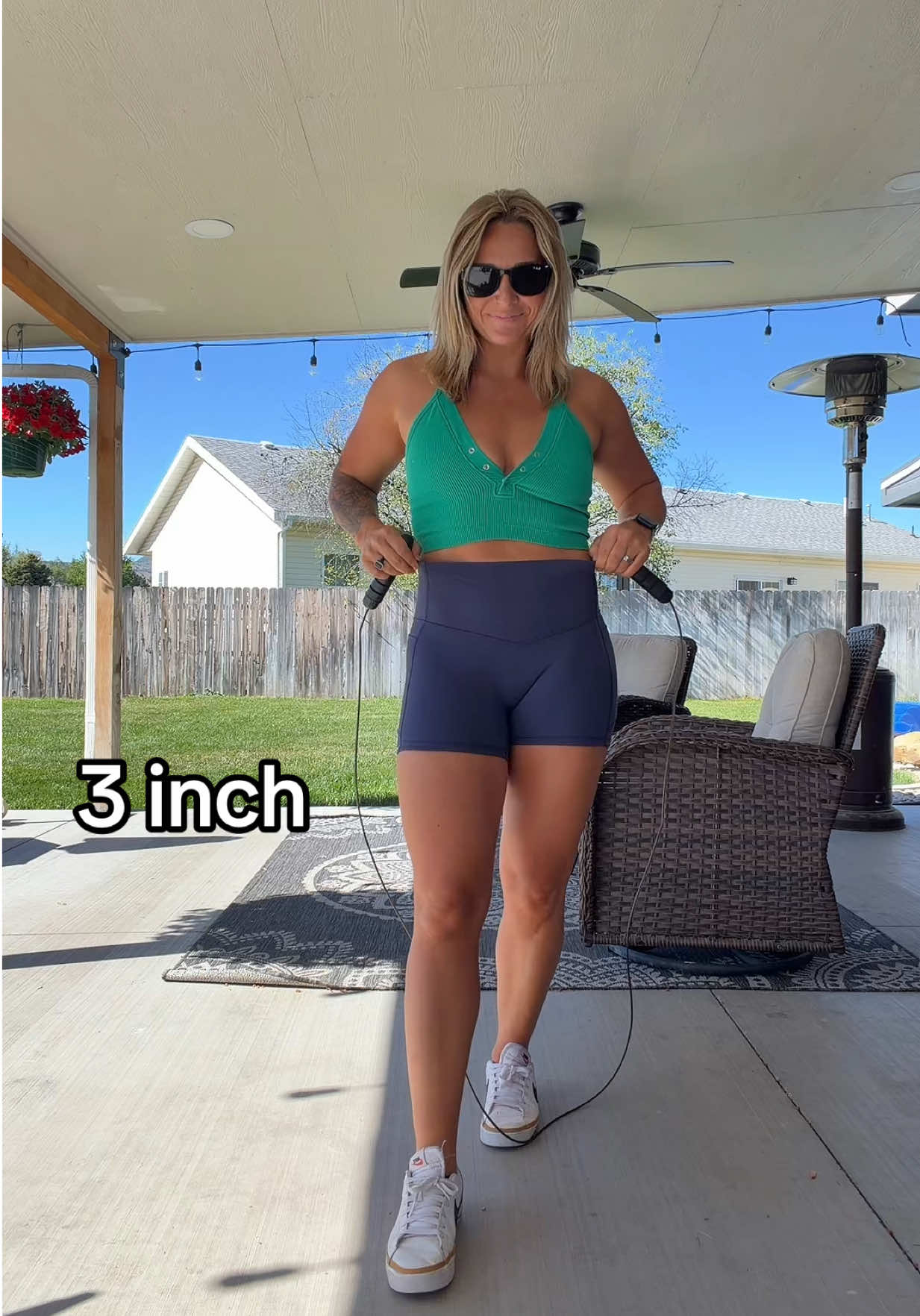
Amplification runs almost entirely through third-party creators rather than the brand's own voice. Beyond the heavy TikTok Shop sellers already covered above, the next tier of named amplifiers includes Q✨ Shop Finds (1,938,578 engagement on a two-piece active-dress set), Vivian (1,210,008 on a matching yoga-shorts set), and Iza Jaranilla💕 (1,102,414 on a pocket romper), plus a long tail of smaller creators (officialstrizzo, witty._, Allee, Lily, Hannah Long, Keeley Potts, meliifinds, Adrienne, and Rox among them) each posting in the low-thousands-to-low-millions engagement range. Several creators loop in Halara's regional storefront accounts: officialstrizzo's plus-size haul tags the main Halara handle alongside UK and other market-specific storefront accounts in a single post, a sign the brand maintains separate handles per market that creators fold in organically. Community amplification is real but double-edged: a dedicated r/halara_official subreddit hosts both enthusiastic reviews (a 724-score "I get the hype now" post) and pointed complaints, while general subs like r/AusFemaleFashion and r/bigboobproblems surface unprompted fit and quality debates. No founder-specific social presence appears anywhere in the evidence, amplification here is a brand-plus-creator story, not a founder-led one.
06 Organic & video
The organic content engine: the videos, creator posts, and community presence earning attention without paid spend.
Halara's brand-owned posting cadence traces two distinct eras. Early on (2021-2022), the @thehalara X account ran a near-daily repost engine: crediting real customers by their Instagram handle under hashtag-stacked captions ("Serving looks in the Everyday Dress," "#HalaraCrew #TakeItEasy #LetsHalara"). Its best-performing post from that run, "You're the most beautiful version of yourself when you feel confident and bold," credited to IG creator edenaprincesa, pulled 364 likes and 22 replies, its single highest-engagement tweet in the dataset, but the account's output and reach have since gone quiet, leaving X as a legacy channel rather than an active one. The engine that replaced it lives on TikTok and Instagram, where third-party creator clips now dwarf anything the brand posts itself: Alexia Gallegos's "This dress truly is tailored for woman!" pulled 16,259 engagements while tagging #halaralistens #thehalaracircle, a reference to The Halara Circle, the brand's customer-feedback community that feeds real shopper comments into product design decisions. Creator Janine Delaney's Instagram reel, a behind-the-scenes walkthrough of a Halara pop-up at San Diego's Westfield UTC mall, drew 19,206 engagements, turning a single physical event into a recurring content asset well after the store closed. The pattern is consistent across formats: the try-on/haul format, filmed by a third-party creator rather than the brand, is what performs, consistently outpacing anything shot and posted by the brand's own accounts.
07 Affiliate & partners
How the brand turns creators and partners into a tracked, variable-cost acquisition channel, and how the program is structured.
Halara runs a real but lightly-documented affiliate motion rather than a single named platform. TikTok Shop is the dominant lever, every heavy-engagement creator post in the evidence is tagged as a TikTok Shop listing, meaning creators earn commission on sales generated through their video, and the channel mix attributes a measurable 5% of total site visits to affiliate. Layered on top is an informal ambassador-code system: creator emm_babbyy shares a personal code (HALARAEMM) and creator rosymcmichael shares two tiered codes (rosy0 for standard-price items, loverosy for orders over $120), a cheaper, platform-free way to track which individual voices actually drive redemptions. No evidence of a formal third-party affiliate platform, a public partner-recruitment page, or a structured commission tier appeared in the owned-site evidence, suggesting the program runs as a manual, creator-by-creator relationship rather than a self-serve system.
08 The playbook
The channels are not separate. They are one system where each stage feeds the next. Here is the read, then the plays to run tomorrow.
The inferred playbook
Halara's growth loop is a paid-media flywheel that buys attention at scale and lets creator content supply the social proof that makes the paid spend convert.
A ~2,000-ad Google library and a continuously refreshed Meta rotation across image, video, and dynamic product formats form the primary attention source, sending cold traffic straight to templated, schema-marked product pages rather than a content funnel.
TikTok Shop sellers and personal-code ambassadors generate the try-on and haul content that makes the paid ads credible, without this running in parallel the paid creative would be reassurance copy with no visual receipts behind it.
Dig deeper+3▾
Bidding into a direct rival's brand name, covered in the traffic breakdown above, shows Halara actively poaching comparison-stage shoppers already evaluating competitors, not just capturing its own branded search.
A viral Reddit thread on the return process and recurring sizing complaints suggest the same paid-acquisition intensity isn't matched by a retention story; the loyalty mechanic visible in the funnel (cash-redeemable points, free-accessory thresholds) is the only counterweight to churn that shows up in the public data.
CAC, repeat-purchase rate, return rate, and the commission structure behind the TikTok Shop and ambassador-code motion.
Recruit creators through a shop-linked commission program
The proofHalara's heaviest-reach content, the TikTok Shop haul and try-on posts covered earlier, runs through creators earning commission per sale rather than a flat sponsorship fee.
The adaptationSet up a commission-based product link (a TikTok Shop listing, or an equivalent affiliate link if the reader's product isn't shop-eligible) and send free units to a batch of small creators in the reader's niche, prioritizing unscripted try-on or haul content over a polished brief. The mechanism is that commission-only recruitment removes the upfront-fee barrier, so a founder with zero ad budget can seed dozens of creators for the cost of product alone.
Cost: under $500 · Time to signal: days · Works pre-PMF: yes, provided the product is visual enough to carry a try-on clip.
Track word-of-mouth with personal discount codes
The proofCreators emm_babbyy and rosymcmichael each carry their own personal discount codes rather than a shared platform link.
The adaptationGive a handful of real customers or micro-creators a unique code each, track redemptions weekly, and reallocate free product or attention toward whichever two or three codes actually convert followers into buyers. This is a cheap attribution layer that tells the reader which voices matter before committing to a formal affiliate platform.
Cost: $0 · Time to signal: days · Works pre-PMF: yes.
Bid on a named competitor to intercept comparison shoppers
The proofHalara's search-keyword footprint includes bidding into a direct rival's brand name, detailed in the traffic section above, rather than only its own name.
The adaptationIdentify the one competitor prospective customers already compare the reader's product against, then run a small paid-search campaign targeting that competitor's name paired with "alternative" or "vs" queries, landing on a page that makes the direct comparison. The mechanism is that shoppers searching a rival's name are already in-market and one click from switching, a cheaper conversion than generic category keywords.
Cost: under $500 · Time to signal: weeks · Works pre-PMF: conditional, only where a specific competitor already commands real branded search volume in the category.
Turn a small real-world event into creator-made content
The proofA creator's behind-the-scenes reel of Halara's mall pop-up, covered above, outperformed most of the brand's own owned-account posts without the brand filming a frame of it.
The adaptationHost a small pop-up, demo table, or local event and invite one or two local creators to film their own behind-the-scenes walkthrough in exchange for free product, rather than producing the content in-house. The event becomes a reusable content asset that a founder with no video team can't otherwise access.
Cost: under $500 · Time to signal: weeks · Works pre-PMF: yes, provided a physical or in-person touchpoint is feasible for the product. Not transferable at an earlier stage: the ~2,000-ad Google library and the always-on, multi-market Meta rotation assume an established margin structure and ad-buying infrastructure that a pre-revenue founder does not have. Adapt the creator-seeding and code-tracking motions first, and treat paid-search scale as something to grow into, not start with.
You just read how Halara does it. Tomorrow it is someone else.
Every morning we take one company that is actually growing and break down where its customers come from: the ads still running after a year, the channel doing the real work, and the play you can run this week.
Systemaic · directional intelligence. Traffic, spend, and reach figures are SimilarWeb-style estimates and qualitative reads of public data, not audited numbers. Built on real public receipts.
// teardowns with a similar GTM motion
sources & receipts (2)
Live ad libraries: meta ad library · google ad library
Traffic, spend, and revenue figures are estimates as noted in the report; the links above are the primary public artifacts.