- 01Reseed the same creators repeatedly
- 02Bid on your own brand name in search
- 03Co-brand a scavenger hunt at a live event
- 04Reposition a commodity category for an underserved buyer
01 Snapshot
The one-glance read on who they are and how they grow. Each point is verifiable from the receipts above.
Veggie-boosted, protein-fortified boxed mac & cheese and pasta positioned as a grown-up alternative to Kraft and Annie's, sold direct and across major retail chains.
Creator-led, run through an ongoing wave of TikTok mukbang and reaction creators layered on top of celebrity-investor PR.
~63,100 estimated monthly site visits (+23.8% over the last 3 months), ~143K Instagram followers, and $70M in reported 2024 U.S. retail sales, per Inc.
As of 2026-07-07, two live Google text ads (running since June 2026) defend Goodles' own brand name in search, replacing a video wave that stopped running in March 2026.
Celebrity and press-driven attention plus retail shelf placement built Goodles' branded search demand, and a rotating bench of seeded TikTok creators keeps that demand topped up between paid pushes.
02 How it unfolded
The order the channels came online. Sequence is strategy: what they did first, and what they layered on once demand existed.
03 Traffic & channel mix
Estimated demand, the channel split behind it, and the keywords and referrers doing the work. Directional modeling, not audited analytics.
Traffic sources
Top search keywords
| Keyword | Volume | Weight | CPC |
|---|---|---|---|
| goodles | 20k | $0.50 | |
| goodles mac and cheese | 4.0k | $0.49 | |
| goodles mac n cheese | 700 | $0.52 | |
| googdles | 460 | $0.50 | |
| goodles nutrition | 590 | $0.49 |
Closest competitors by audience
Goodles draws an estimated ~63,100 monthly visits, up 23.8% over the last 3 months. Search organic dominates the mix at 72.8%, with direct traffic at 18.8% and email at 4.3%; the rest, referrals, generative-AI referrals, and affiliate, totals under 5% combined. That organic-heavy, low-paid-referral mix fits a brand whose demand is generated off-site (retail shelf, TikTok, press) and simply captured on-domain, a read the branded keyword list reinforces: "goodles" pulls ≈20,400 searches/month and "goodles mac and cheese" ≈4,000/month, both navigational rather than category-discovery terms, meaning people are searching for the brand by name, not shopping the category and finding it. The closest competitor domains surfaced by traffic-similarity data are campbellsoup.ca, mariecallendersmeals.com, and myserenitykids.com, a legacy comfort-food and kids'-meal set that overlaps on audience rather than the Kraft and Annie's names Goodles actually positions against on shelf, a reminder that the similarity tool clusters by shared visitors, not by the brand's own stated rivals.
04 Organic content
The specific pages earning their organic search traffic, and the pattern behind why they rank. Adapt the format, not the topic.
Organic search accounts for roughly 76% of desktop traffic overall, though no page-level breakdown is published showing how much the homepage versus the shop and single-collection pages (Cheddy Mac, pasta, microwave cups) each capture. Every one of the top ranking keywords ("goodles," "goodles mac and cheese," "goodles cups," "goodles pasta") is a branded, navigational term the site ranks #1 for. There's no evidence of category-level content (no listicles, comparisons, or "best mac and cheese" pages) driving the traffic; the site's organic engine is pure brand-name capture, converting demand created elsewhere (retail, TikTok, press) rather than generating net-new category discovery through content.
Top pages by organic traffic
05 Channel map
Not traffic share. How much weight the growth system actually puts on each channel, with a one-line read on the role it plays.
What drove growth
06 The creative doing the work
Each exhibit shows the actual asset, an X-ray of why it works, a status, and a play you can adapt. This is the heart of the teardown.
Goodles' Google ad footprint runs to an estimated ~500 ads (a directional figure from a 240-ad sample, as of 2026-07-07), plus a single LinkedIn ad. None of what's live qualifies as a proven winner: the oldest active ad is only ~26 days old as of 2026-07-07, so the visible library reads as a current push, not an established long-runner. A prior wave of 15 video ads placed through Channel Factory, a third-party video ad distributor, ran for about 42 days from January 19 to March 2, 2026, but every one of those has since stopped and can only be read as a past campaign.
Two creatives are worth deconstructing from what's actually running or ran:
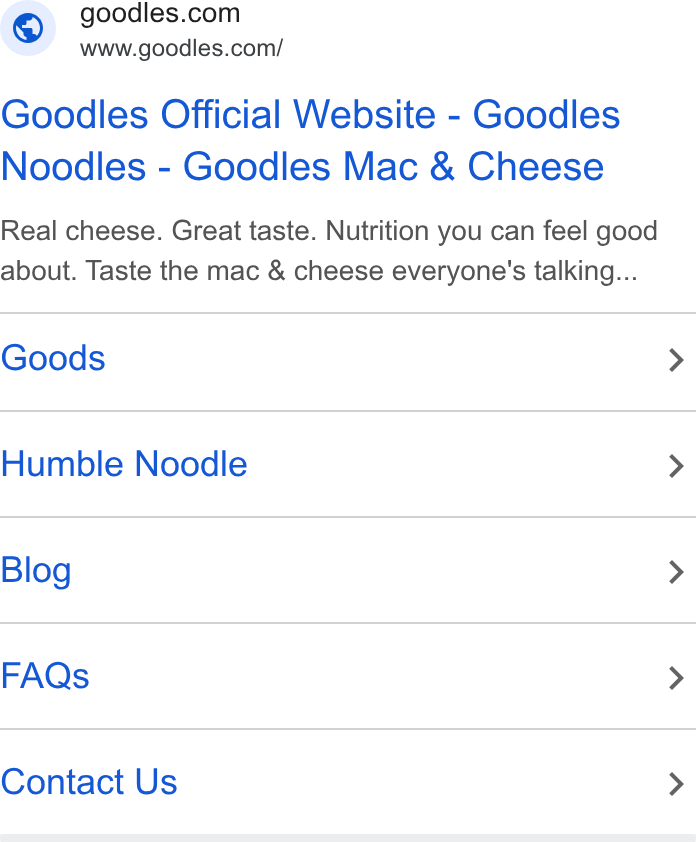
- Running
- 26 days (longevity = it's converting)
- Hook
- goodles.com www.goodles.com/ Goodles Official Website - Goodles Noodles - Goodles Mac & Cheese Real cheese. Great taste. Nutrition you can feel good about. Taste the mac & cheese everyone's talking...
- Audience
- Individuals looking for a 'good for you' comfort food, indicated by 'Nutrition you can feel good about' and 'Real cheese. Great taste.'
Why it works. Ranks for branded search intent and answers the shopper's three biggest doubts about boxed mac and cheese (ingredients, taste, health) in one line before the click.
Headline with brand and product focus: "Goodles Official Website - Goodles Noodles - Goodles Mac & Cheese" Write your search ad description as three short claims that each kill one specific doubt a first-time buyer has about your product category.
UGC talking-head / product demo
- Hook
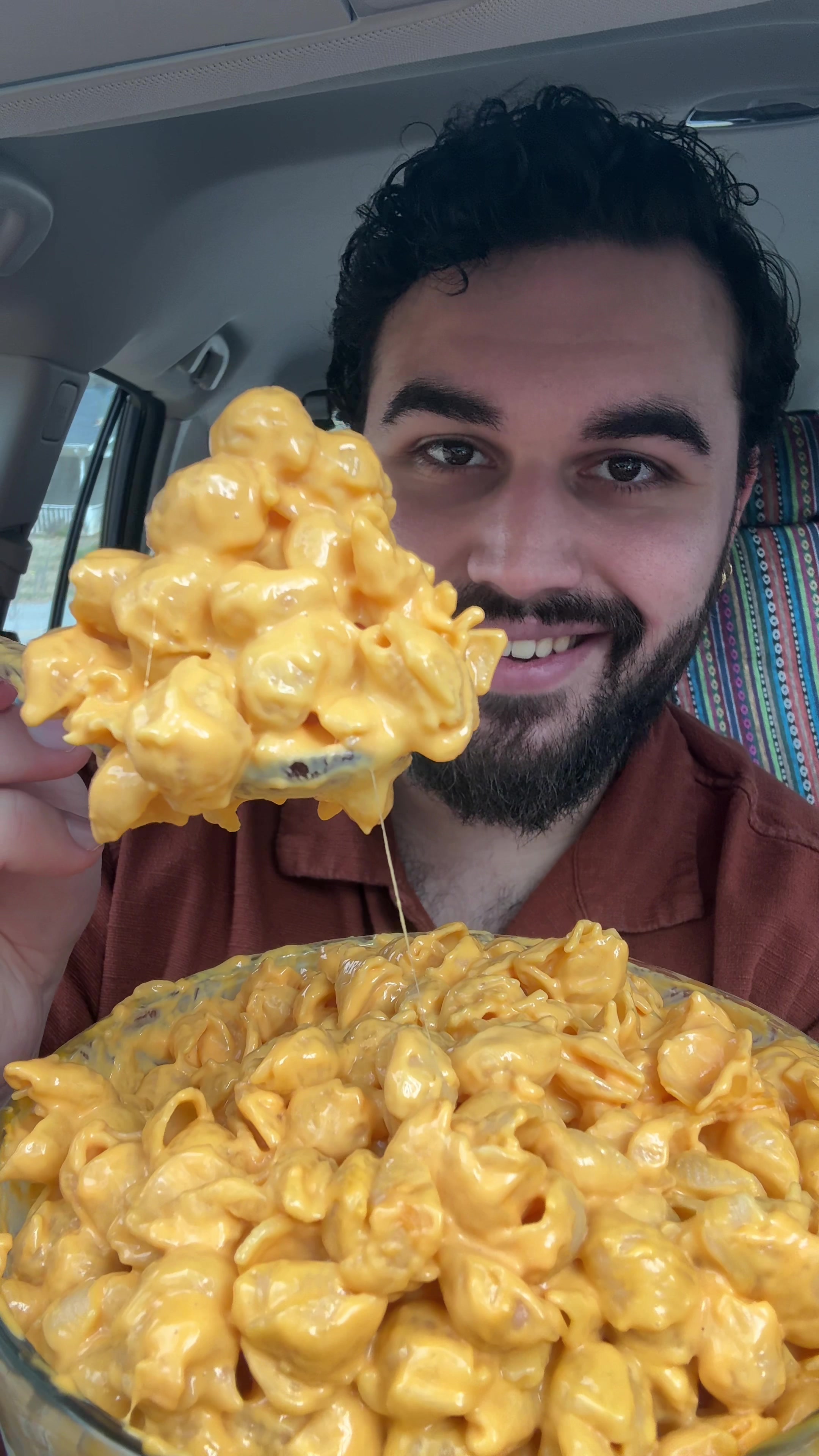
- "Baby girl, this is huge." A woman in a green hoodie holds a fork with orange macaroni on it, looking at the camera and speaking.
- Audience
- Individuals interested in quick, easy, and potentially healthier macaroni and cheese options, indicated by the product being a boxed mac and cheese and the user's enthusiastic reaction.
Why it works. Leans on a recognizable personality's genuine reaction to the food, so her surprise pre-sells the product before any features are mentioned.
Celebrity endorsement and enthusiastic opening statement at 0:00-0:02, "Baby girl, this is huge." If using an influencer, open with their most enthusiastic real reaction as spoken dialogue, not a scripted tagline, then reveal the product after.
Show 2 more exhibits
- Hook
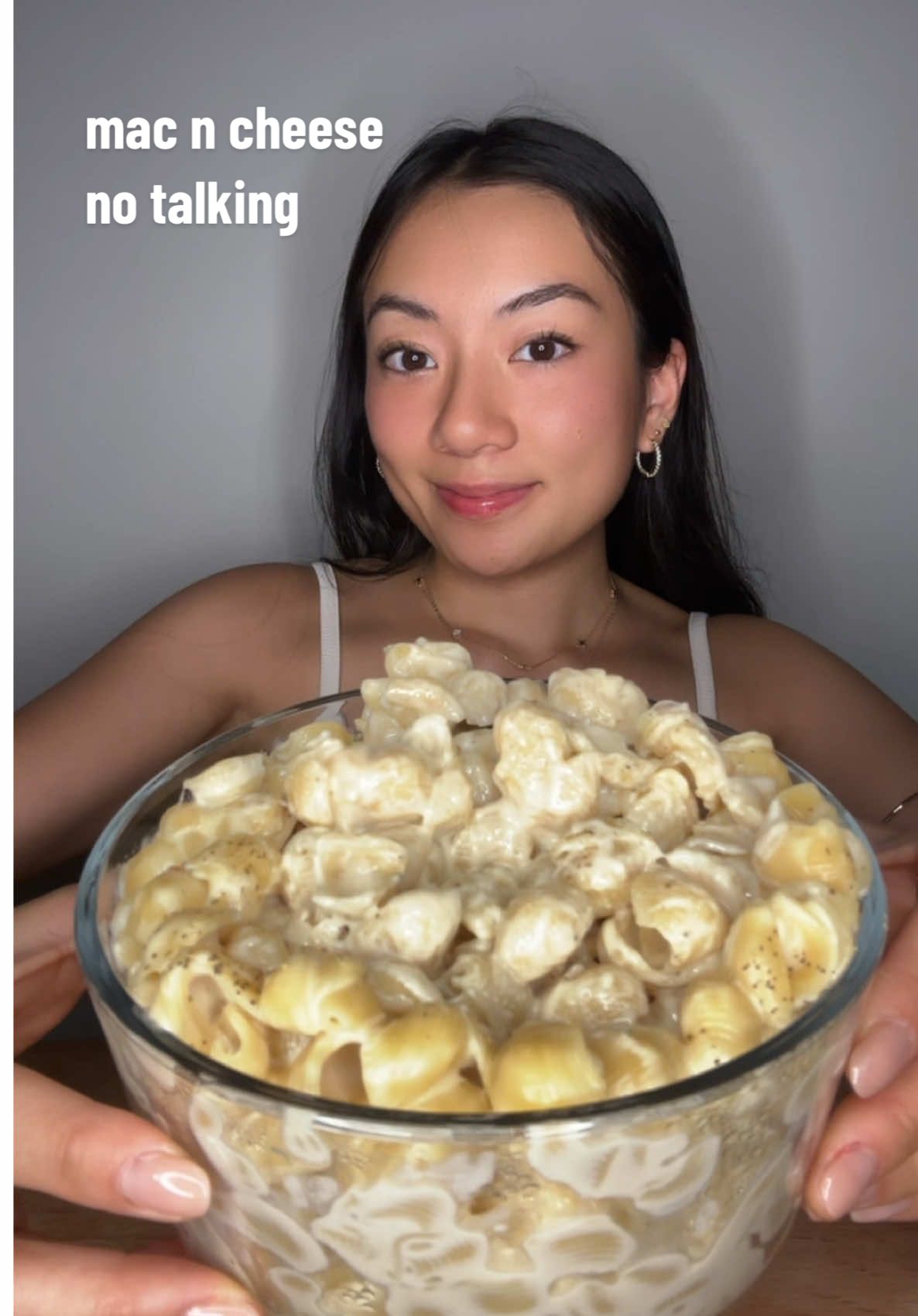
- Visual: A close-up shot of a bowl filled with mac and cheese, topped with black pepper. Audio: A soft, rhythmic chewing sound.
- Audience
- The 'GOODLES' box with nutritional information ('16g PROTEIN', '7g FIBER', '21 NUTRIENTS') targets health-conscious individuals looking for a more nutritious version of comfort food. The Walmart bag suggests accessibility.
Why it works. Opens on an extreme macro shot of the cheese pull with amplified chewing sound, using pure sensory food ASMR to sell the eating experience before any words appear.
Lead with a close-up of the finished product and eating sounds (0:00-0:03). Open your food videos with a 2-3 second silent-except-for-food-sound close-up on the single most appealing texture moment, before any talking starts.
- Reach
- 371 upvotes · 117 comments · r/macandcheese
A community is already discussing this in r/macandcheese. Show up there authentically and answer the thread before a competitor does.
Who amplifies them
Beyond the creator rotation covered above, GuacBites, sarah.slurps, and Graydon Cutler are the standout named amplifiers by reach, with KyleJC Vlogs the standout for repeat, ongoing coverage. The single biggest amplification event in the evidence, though, comes from Gal Gadot, the actress who holds the title Founding Partner as an investor active in retailer relations and PR (not a company founder, that role belongs to CEO Jen Zeszut and co-founder Paul Earle), whose Instagram reel introducing Goodles drew roughly 1.36 million engagements, dwarfing the brand's own channels. On community, r/macandcheese and r/LowCalFoodFinds both carry unprompted brand-love threads, genuine third-party discussion rather than anything the brand seeded itself.
07 Organic & video
The organic content engine: the videos, creator posts, and community presence earning attention without paid spend.
The organic engine is almost entirely creator-driven reaction and mukbang content, not brand-posted video. The top three posts by engagement: GuacBites' "Super Cheesy Mac & Cheese from @GOODLES" (~481,000 engagement), sarah.slurps' Walmart haul mukbang tagged #goodlespartner (~334,800), and Graydon Cutler's flavor-trial clip (~149,100), plus over a dozen more creators posting reaction and taste-test content in the 4,000-70,000 engagement range. Repeat poster KyleJC Vlogs stands out structurally: four separate flavor-specific reviews (Pesto, Cheesy Mac, Down the Hatch, Smokey Dokey) posted across recent months, consistent with an ongoing product-seeding relationship rather than a single gifted box. The format that performs is unscripted talking-head reaction, bold-claim captions ("Is this a safe space to admit Goodles is the superior Mac n cheese"), and ASMR-style eating sounds, not polished brand video.
08 Affiliate & partners
How the brand turns creators and partners into a tracked, variable-cost acquisition channel, and how the program is structured.
No formal affiliate or referral program (a TikTok Shop, a Rewardful or PartnerStack link) was detected in the site evidence. Some creators tag posts #goodlespartner, suggesting a direct creator-seeding relationship, but there's no visible commission-tracking or affiliate-link infrastructure behind it. At Goodles' current stage, retail distribution and direct creator seeding appear to be doing the work an affiliate program would otherwise do.
09 The playbook
The channels are not separate. They are one system where each stage feeds the next. Here is the read, then the plays to run tomorrow.
The inferred playbook
Goodles converts celebrity and press-driven attention plus retail shelf placement into branded search demand, then keeps that demand topped up between paid pushes with an ongoing bench of seeded creators.
Goodles was co-founded by CEO Jen Zeszut and co-founder Paul Earle, a former Kraft brand manager, and has raised roughly $19.4M across a 2021 seed and a 2023 Series A led by L Catterton, capital that lines up with its jump from indie DTC launch to national retail distribution across Target, Walmart, Costco, and Whole Foods. Individual boxes retail for about $3.99 to $4.99 depending on format and retailer, available per-unit or through a public 'Subscribe & Save' tier offering 15% off with auto-delivery.
positioning the brand toward young adults rather than kids, rather than competing head-on for the same shelf-inch as kids'-branded incumbents, reportedly made retailers more willing to grant it space, a strategic choice more than a growth channel but one that shaped everything downstream.
Dig deeper+3▾
both the organic top pages and the live paid search ads target the Goodles name itself, meaning demand generated off-site is being captured on-domain rather than created there.
with only two Google ads and one LinkedIn ad active against a much larger historical library, paid spend looks like a brand-defense and event-tied tool rather than the primary demand engine, that job sits with earned and creator channels.
DTC-versus-retail revenue split, repeat-purchase rate, and paid customer acquisition cost.
Reseed the same creators repeatedly
The proofone TikTok creator, covered above, posted four separate flavor-specific reviews over a matter of weeks, consistent with an ongoing supply relationship rather than a single gifted box.
The adaptationpick three to five small creators already talking about your product or category, and instead of a one-off gifted item, send them a new variant every few weeks so they build a running series around your brand. Reach out by direct message with a standing offer ("we'll keep sending new drops if you keep posting reactions"), and give each creator a unique link or code so you can see which ones actually convert views into visits and keep supplying only those.
Cost: under $500 · Time to signal: weeks · Works pre-PMF: yes.
Bid on your own brand name in search
The proofGoodles runs a live Google text ad bidding on its own name, covered in Paid Ads above, using the copy to preempt the "is this junk food" objection.
The adaptationonce your brand name gets any meaningful search volume, run a cheap search ad against your own name and its common misspellings so you control the message rather than leaving that moment to reviews or competitors, and use the ad copy to answer the single biggest objection buyers have about your category. Start with a small daily budget on your exact name plus two or three obvious misspellings and watch click-through before expanding.
Cost: under $500 · Time to signal: days · Works pre-PMF: yes, provided you already have enough name recognition that people are actually searching for you.
Co-brand a scavenger hunt at a live event
The proofGoodles' only LinkedIn ad, covered in Paid Ads above, promotes a multi-brand "Charm Hunt" pairing its trade-show booth with nine partner brands.
The adaptationat a trade show, conference, or market you already attend, partner with three to five complementary, non-competing brands and turn a booth visit into a mini collectible passport across all the booths, pooling everyone's foot traffic and creating natural photo and social content. Split the cost of a shared low-cost prop (stickers, charms, stamps) across the partner brands so no single company bears it alone.
Cost: under $5k · Time to signal: days · Works pre-PMF: conditional, only if you already have an event or booth presence to build the hunt around.
Reposition a commodity category for an underserved buyer
The proofGoodles targeted young adults rather than kids in a category owned by legacy kids'-branded incumbents, covered in the Inferred Playbook above, which reportedly made shelf-space approval easier to win.
The adaptationwhen entering a category dominated by legacy players, don't fight them for their core audience, find the buyer segment they've left underserved and build your brand voice, packaging, and distributor pitch entirely around serving that gap. When you pitch a retailer or partner, frame your product as additive to their existing lineup rather than a replacement, which lowers the risk of them saying yes.
Cost: $0 · Time to signal: months · Works pre-PMF: yes, this is a positioning decision that costs nothing to make before you have a single customer.
Activate a connected high-reach voice organically
The proofan Instagram reel from Goodles' Founding Partner and investor, covered in Who Amplifies Them above, drew roughly 1.36 million engagements, far outperforming the brand's own channels.
The adaptationlook inside your own cap table, advisor list, or early customer base for anyone with a genuine following, and ask them to post an authentic first-reaction video rather than scripted ad copy, since unscripted enthusiasm from a real person reads as credible in a way brand-authored content can't. If you don't have an investor with reach, the same mechanic works with an early customer or micro-advisor who has any real audience, the authenticity of the reaction matters more than its size.
Cost: $0 · Time to signal: days · Works pre-PMF: conditional, only if you already have a genuine connection with real reach willing to post. Not transferable at an earlier stage: the trade-show co-branding stunt and the celebrity-investor amplification both depend on relationships and reach, an event presence, a well-known connected investor, that a pre-funding founder is unlikely to have yet, so treat those two as aspirational until you've built the network to support them.
You just read how Goodles does it. Tomorrow it is someone else.
Every morning we take one company that is actually growing and break down where its customers come from: the ads still running after a year, the channel doing the real work, and the play you can run this week.
Systemaic · directional intelligence. Traffic, spend, and reach figures are SimilarWeb-style estimates and qualitative reads of public data, not audited numbers. Built on real public receipts.
// teardowns with a similar GTM motion
sources & receipts (2)
Live ad libraries: linkedin ad library · google ad library
Traffic, spend, and revenue figures are estimates as noted in the report; the links above are the primary public artifacts.