- 01Flood one hero SKU with creator seeding
- 02Give creators their own named discount code
- 03Turn a comment keyword into your link-in-bio
- 04Put the founder's face on one clip a month
01 Snapshot
The one-glance read on who they are and how they grow. Each point is verifiable from the receipts above.
A Foley, AL-made DTC home-fragrance brand (candles, wax melts, all-purpose cleaner, laundry detergent, linen spray) that scaled through TikTok Shop virality.
Creator-led: growth runs almost entirely through TikTok Shop and CleanTok creator UGC rather than paid acquisition.
An estimated ~12,700 monthly site visits, down 30% over the last 3 months as of 2026-07-15, alongside founder-reported 600%+ year-over-year growth and 30,000+ TikTok Shop items sold, both as of a Jan 2026 report.
Despite the candle-company name, nearly every piece of viral UGC in evidence sells the all-purpose cleaner, meaning the real growth engine is a CleanTok-native cleaning product riding a candle brand's identity.
02 How it unfolded
The order the channels came online. Sequence is strategy: what they did first, and what they layered on once demand existed.
03 Traffic & channel mix
Estimated demand, the channel split behind it, and the keywords and referrers doing the work. Directional modeling, not audited analytics.
Traffic sources
Top search keywords
| Keyword | Volume | Weight | CPC |
|---|---|---|---|
| mississippi candle company | 290 | $0.52 | |
| mississippi candle company spring bundle | 280 | - | |
| saltwater sol cleaning spray | 180 | - | |
| mississippi candle company new fragrance | 280 | - | |
| saltwater sol polynesian | 180 | - |
Closest competitors by audience
Mississippi Candle Company draws an estimated ~12,700 monthly visits, down 30% over the last 3 months as of 2026-07-15. The mix is heavily organic: organic search accounts for 80.3% of visits, direct traffic for 12.9%, and referrals for 6.8%, a split consistent with people searching the brand name directly after seeing it on TikTok rather than being funneled in by paid channels. The keywords they show up for skew branded and product-specific: "mississippi candle company" (290 searches/month), "mississippi candle company new fragrance" (280 searches/month, a sign of repeat-buyer demand around new scent drops), and "saltwater sol cleaning spray" (180 searches/month, demand tied to one specific hero scent). Their closest identified competitors span two tiers of the category: rootcandles.com and cotebougie.com are established candle manufacturers pulling similar search traffic, while savor.us signals overlap with newer DTC fragrance entrants, suggesting the brand sits between legacy candle makers and emerging scent-focused startups in the eyes of search demand.
04 Organic content
The specific pages earning their organic search traffic, and the pattern behind why they rank. Adapt the format, not the topic.
Mississippi Candle Company's organic search traffic is overwhelmingly branded rather than content-built: the homepage alone pulls an estimated ~1,800 of the ~2,060 monthly organic visits across their top pages, 88.7% of the total, while the product and collection pages (the all-purpose cleaner listing, laundry detergent, the full catalog) each contribute a thin 2% or so. Their top-ranking keywords tell the same story: "mississippi candle company" and "scratch and sniff cards" both rank #1, "mississippi whiskey" (a scent name) ranks #4, and even the misspelling "candel company" ranks #6. There is no blog, guide, or comparison-page layer doing the work here; this is brand-name lookup traffic created by off-site virality, not a deliberate SEO content strategy.
Top pages by organic traffic
05 Channel map
Not traffic share. How much weight the growth system actually puts on each channel, with a one-line read on the role it plays.
What drove growth
06 The creative doing the work
Each exhibit shows the actual asset, an X-ray of why it works, a status, and a play you can adapt. This is the heart of the teardown.
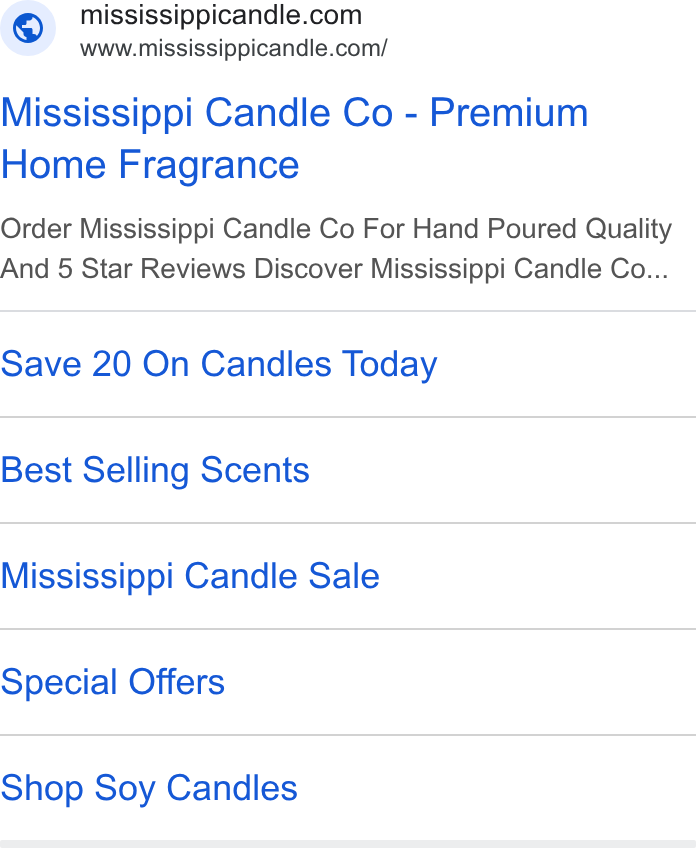
Mississippi Candle Company's ad footprint is close to nonexistent: the collected library shows just one total ad, a single Google text ad, and it is no longer active as of 2026-07-15. That ad ran from 2026-03-02 to 2026-04-08, 36 days, before lapsing under an advertiser-of-record name that reads as an intermediary agency account rather than the brand's own. That short a run, and now stopped, means there is no proven-winner creative here, only a single lapsed test worth noting for what it was.
Hook: A plain branded-search text ad reading "Mississippi Candle Co, Premium Home Fragrance," pointing searchers straight to mississippicandle.com. Why it works: It is a defensive branded-search placement built to intercept people already typing "mississippi candle company" (the same query that ranks #1 organically), not a discovery or cold-traffic play. Run this play: Bid on your own brand name and your top product terms so a competitor or reseller can't rent your own branded traffic; against zero real competition on your own name, the cost per click is negligible.
There is no active testing wave to contrast against: with zero live ads on Google or Meta as of 2026-07-15, this company's acquisition motion runs almost entirely through free organic creator content rather than paid media.
- Running
- 36 days (longevity = it's converting)
- Hook
- mississippicandle.com www.mississippicandle.com/ Mississippi Candle Co - Premium Home Fragrance
- CTA / offer
- Save 20 On Candles Today
- Audience
- Individuals seeking premium home fragrance products, indicated by 'Premium Home Fragrance' and 'Hand Poured Quality' and '5 Star Reviews'.
Why it works. Direct response ad using a search result format to drive traffic to a candle e-commerce site, leveraging specific offers and product categories to convert interested shoppers.
Utilize a search result ad format with a clear domain and headline: "mississippicandle.com" and "Mississippi Candle Co - Premium Home Fragrance". Design your ad creative to resemble a native search result, including a clear domain, main headline, and a concise description to leverage user familiarity with search interfaces.
- Hook
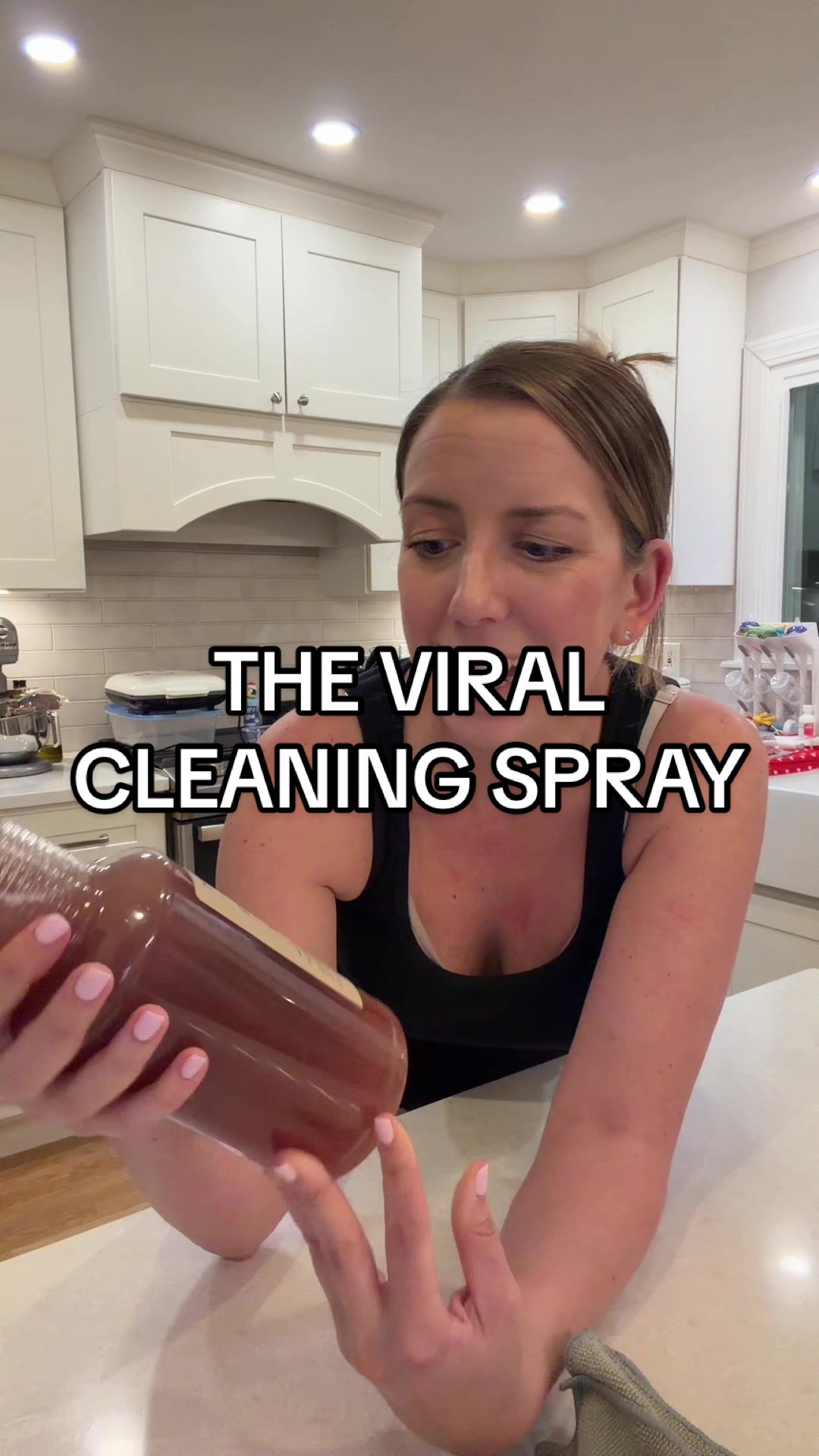
- "my husband keeps saying it smells like a hotel in here" + A woman in a black tank top is in a kitchen, holding her hands together in front of her, looking at the camera. A spray bottle is on the counter to her left.
- Audience
- Homeowners, particularly those with pets, who are looking for effective and pleasant-smelling cleaning products, indicated by the mention of 'my house smells like dogs'.
Why it works. Leverage personal anecdote and social proof to build trust and create desire for a unique-smelling cleaning product, driving immediate purchase due to perceived scarcity.
Lead with a relatable problem and a curious observation from a spouse (0:00-0:03, "my husband keeps saying it smells like a hotel in here"). Start your ad with a surprising or intriguing statement about a common problem your product solves, using a personal or anecdotal framing.
- Hook
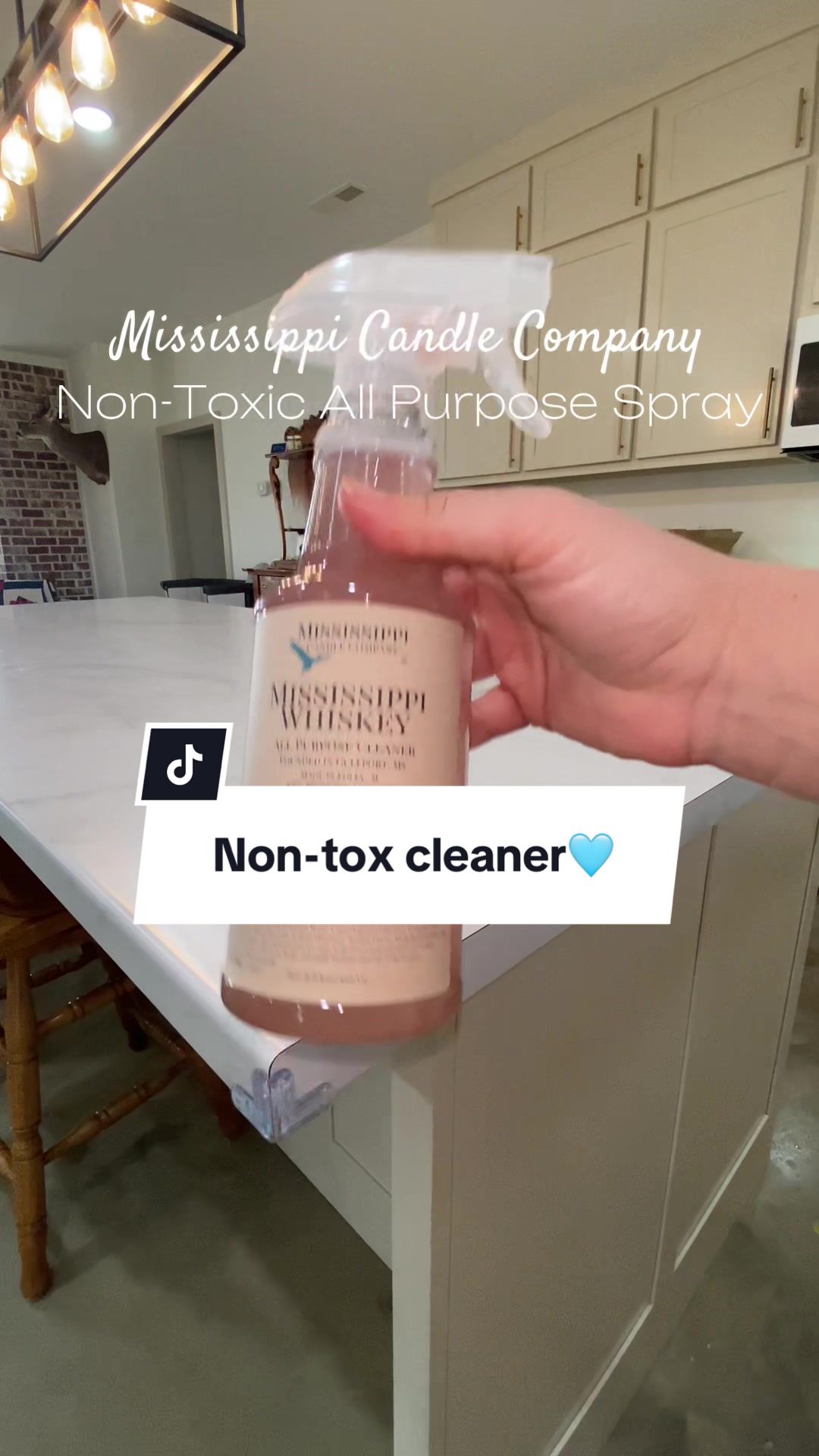
- "I need my whole house to smell like this." A hand holds a clear spray bottle with a white label that reads "MISSISSIPPI CANDLE COMPANY MISSISSIPPI WHISKEY ALL PURPOSE CLEANER".
- CTA / offer
- I've linked it in the orange cart below.
- Audience
- People who value pleasant scents and non-toxic cleaning products, as indicated by the spoken lines "I need my whole house to smell like this" and "It's non-toxic."
Why it works. Sensory appeal product demonstration combined with a non-toxic claim to drive purchases of an all-purpose cleaner.
Opening with a strong sensory claim: "I need my whole house to smell like this." (0:00-0:01) Lead with a bold, relatable statement about the product's most appealing sensory quality in the first 3 seconds of your video.
Show 2 more exhibits
- Reach
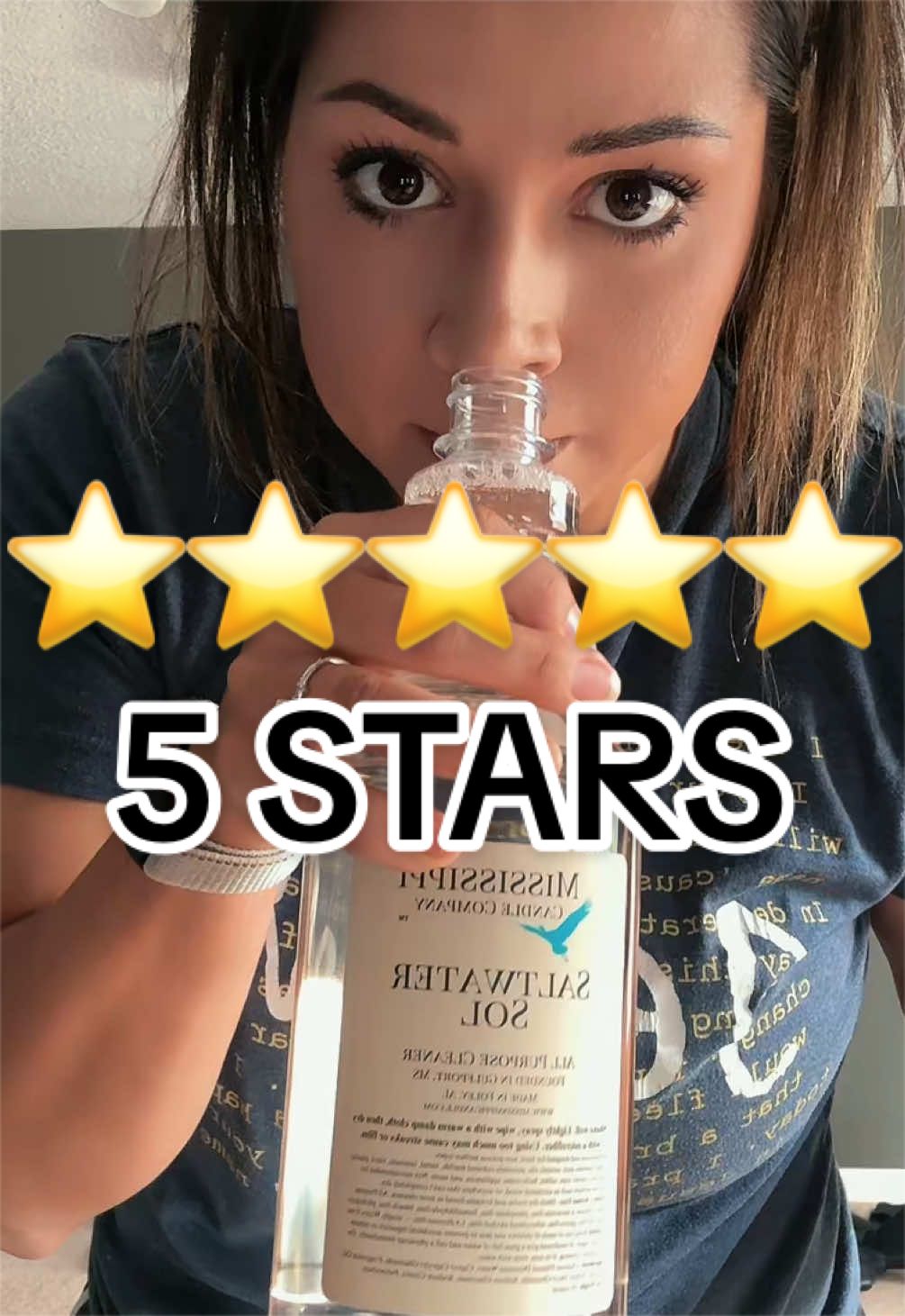
- 2 upvotes · 6 comments · r/moderatelygranolamoms
A community is already discussing this in r/moderatelygranolamoms. Show up there authentically and answer the thread before a competitor does.
Who amplifies them
Amplification comes from a wide bench of small-to-mid CleanTok creators rather than a handful of big names. Beyond the top three above, roughly a dozen more creators (Haley Davis, Staci | TTS + Mom Life, The Mandy Lea, Katlynn, Mandi, Linda, Tiffiny Semashko, Bri, Kat | MomVibez Growth Coach, Seltz, Rachel C, kuma000009, Haleigh P.) posted in the 15-600 engagement range on TikTok, plus a smaller Instagram cluster (haleyfindsthings, lindsaynicoleeeee, freedom250) reposting the same demo format. One creator, alexandra_ryoo, posted with her own named discount code rather than a generic brand link, distinct from the unpaid mentions around her. The brand's own account (@mississippi.candle.co) posts sparingly on Instagram, mostly reposting the same cleaner demo shots rather than originating new formats. Reddit amplification is limited to the single r/moderatelygranolamoms inquiry thread already noted; there is no meaningful presence beyond TikTok, Instagram, and that one thread.
07 Organic & video
The organic content engine: the videos, creator posts, and community presence earning attention without paid spend.
The content engine runs almost entirely on creators filming themselves using the product, not on a brand-run posting calendar. Two shapes repeat across the clips: a curiosity hook over a close-up of the spray bottle ("I need my whole house to smell like this"), and a talking-head demo mid-clean ("Just cleaned my whole dang kitchen with Saltwater Sol," "my husband keeps saying it smells like a hotel in here"). The talking-head demo format is what pulls the biggest numbers: Jess | Mom & Home Finds posted "i now understand all the hype" on 2026-01-19 and drew 18,304 engagements, Becca Vandevelde's "10/10. Every time. Mississippi Candle Company... YOU WIN. TAKE ALL MY MONIES." pulled 3,002 on 2026-06-09, and Hot Gina Official's repeat post on 2026-07-06 added another 1,011.
Read the full breakdown+1▾
Cadence in the sample is dense and current: 11 separate creator posts landed across just 8 days between July 4 and July 11, 2026, all on the same all-purpose cleaner. The founder herself also appears on camera in one clip, introducing herself at a TikTok small-business creator event and saying she is "extremely excited to be here and come together with America's best," a social-proof format distinct from the anonymous CleanTok demos and the only owned-brand appearance in evidence.
08 Affiliate & partners
How the brand turns creators and partners into a tracked, variable-cost acquisition channel, and how the program is structured.
There is no formal affiliate portal or referral-program page in evidence, but a lighter mechanic is visible in the creator posts themselves. Alexandra_ryoo's clip carries a personal discount code, "ALEXANDRARYOOCREATOR," distinct from a site-wide promo, the signature of a per-creator TikTok Shop code rather than a managed affiliate network. Separately, lindsaynicoleeeee's post ran a comment-to-DM funnel ("Comment FRESHEN for the product link"), a keyword-capture mechanic that turns a comment into a private product link without any tracking software. Both point to the same posture: creator incentives handled ad hoc through TikTok Shop's native tools, not through a dedicated affiliate stack.
09 The playbook
The channels are not separate. They are one system where each stage feeds the next. Here is the read, then the plays to run tomorrow.
The inferred playbook
The loop starts with unpaid creator demos of one hero product, not the brand's own posting or paid media, and closes when curious viewers search the brand name straight into a thin, homepage-only site.
Nearly every creator clip in evidence, from the earliest 2025 post through the dense July 2026 run, demos the all-purpose cleaner rather than the wider candle catalog, concentrating word-of-mouth on one hero SKU instead of spreading it across the full product line.
Personal codes like alexandra_ryoo's and comment-to-DM keyword offers keep creators posting without a managed affiliate portal or commission infrastructure behind them.
Dig deeper+3▾
The site carries almost no content beyond its homepage, so the funnel leans entirely on TikTok to do the persuading before a visitor ever types the brand name into search.
With Reddit and Instagram carrying only light, secondary activity, TikTok is not just where the loop starts, it is effectively the only channel with real scale behind it.
the revenue split between the candle line and the cleaner line, the commission or take rate paid to creator-code partners, wholesale's share of total revenue versus DTC, and repeat-purchase rate among CleanTok-driven buyers.
Flood one hero SKU with creator seeding
The proofNearly every creator clip in evidence, across many months and a dozen-plus different creators, features the same all-purpose cleaner rather than the brand's full candle catalog.
The adaptationPick the single item in your own catalog with the most demonstrable "aha" moment on camera, the thing that looks or smells or performs differently in the first five seconds, and send free units to 15-20 micro-creators in your category's niche community (your version of CleanTok). Ask for one specific shot: unbox plus first reaction, not a produced ad. Concentrating on one SKU, not the full line, is what let this brand's word-of-mouth compound instead of spreading thin.
Cost: under $500 · Time to signal: weeks · Works pre-PMF: yes, provided the product has a genuinely demonstrable moment on camera; a product with no visible "wow" will not survive this format.
Give creators their own named discount code
The proofalexandra_ryoo posted with a personal code, ALEXANDRARYOOCREATOR, rather than a generic site-wide promo, with no formal affiliate portal visible behind it.
The adaptationUse your e-commerce platform's native discount tool (no dedicated affiliate software needed) to generate one named code per creator you send product to, formatted around their own handle so it is memorable and trackable by redemption count alone. Track it in a spreadsheet rather than building infrastructure before you have volume to justify it.
Cost: $0 · Time to signal: days · Works pre-PMF: yes.
Turn a comment keyword into your link-in-bio
The prooflindsaynicoleeeee's post replaced a swipe-up link with "Comment FRESHEN for the product link," capturing intent through a comment instead of a bio click.
The adaptationPick one short keyword tied to your product or promotion, set up a free auto-responder (most creator tools include a comment-to-DM feature) to reply with your product link whenever someone comments it, and ask for that exact word in your next post's caption. The comment itself becomes a public engagement signal that feeds the post's reach, which a plain bio link does not.
Cost: $0 · Time to signal: days · Works pre-PMF: yes.
Put the founder's face on one clip a month
The proofthe founder appears on camera introducing herself by name and title at a TikTok creator event, a social-proof format distinct from the anonymous demo clips that make up most of the brand's visible content.
The adaptationOnce a month, film yourself on camera stating your name, your role, and one specific fact about the business (a number, a milestone, a decision you made), and post it alongside the anonymous product-demo content rather than instead of it. Apply for small-business spotlight programs the platforms you're active on run, the same kind of event that produced this brand's founder clip.
Cost: $0 · Time to signal: weeks · Works pre-PMF: yes, conditional on having a founder story specific enough to be worth watching; a generic "we make X" clip will not outperform the product demos. Not transferable at an earlier stage: the scale of unpaid creator volume this brand receives, dozens of creators posting unprompted across many months, is downstream of a viral moment that cannot be manufactured on demand. Adapt the seeding, code, and comment-capture mechanics; do not expect the same organic pickup without deliberately sending product to creators first.
You just read how Mississippi Candle Company does it. Tomorrow it is someone else.
Every morning we take one company that is actually growing and break down where its customers come from: the ads still running after a year, the channel doing the real work, and the play you can run this week.
Systemaic · directional intelligence. Traffic, spend, and reach figures are SimilarWeb-style estimates and qualitative reads of public data, not audited numbers. Built on real public receipts.
// teardowns with a similar GTM motion
sources & receipts (1)
Live ad libraries: google ad library
Traffic, spend, and revenue figures are estimates as noted in the report; the links above are the primary public artifacts.