- 01Build a professional-tier wholesale channel that doubles as a DTC referral engine
- 02Run Google search ads against educational "how to solve the embarrassing problem" queries for at least 12 months
- 03Lead one paid creative with a named third-party endorsement rather than a product claim
- 04Recruit licensed professionals in your category as content creators with a give-get referral code, not a scripted brief
01 Snapshot
The one-glance read on who they are and how they grow. Each point is verifiable from the receipts above.
Bikini-line and intimate body care (ingrown hair oils, exfoliating scrubs, professional wax) targeting consumers and estheticians, positioned as the creator of a category that previously had no defined name, with 2024 projected revenue of $14.7M and 35% year-over-year growth.
Multi-track DTC with a B2B2C wholesale engine: paid ads and creator UGC drive consumer awareness while 7,000+ independent salon accounts turn estheticians into a self-funded referral force for the DTC store.
~177,312 estimated monthly visits, up 16.3% over the trailing 3-month period; 240,095 Instagram followers across 2,254 posts; ~200 Google ads in library with 65 active as of 2026-07-02; nationwide presence in Ulta Beauty since March 2023.
"Don't sleep on the wholesale channel DTC folks. In the last year we've surpassed 2,000 individual doors carrying Bushbalm. What's shocking is that it involves no major retail, all independently owned locations with just 2 sales people managing it."
The salon wholesale channel is not a B2B revenue line with a separate DTC business beside it: estheticians recommending Bushbalm to their clients grew pro referrals from 3% to 15% of monthly DTC revenue, making every new salon account a self-funding acquisition channel for the consumer store.
02 How it unfolded
The order the channels came online. Sequence is strategy: what they did first, and what they layered on once demand existed.
03 Traffic & channel mix
Estimated demand, the channel split behind it, and the keywords and referrers doing the work. Directional modeling, not audited analytics.
Traffic sources
Top search keywords
| Keyword | Volume | Weight | CPC |
|---|---|---|---|
| bushbalm | 3.8k | $0.53 | |
| bush balm | 1.6k | $0.52 | |
| bushbalm pro wax | 410 | - | |
| ingrown hair oil | 380 | $0.89 | |
| bush balm pro | 310 | - |
Closest competitors by audience
~177,312 estimated monthly visits, up 16.3% over the trailing 3-month period. The channel mix reveals a brand that earns attention across multiple surfaces rather than being dependent on any single acquisition lever.
Search organic leads at 31.2% of traffic, built almost entirely on branded terms and category-defining niche queries where Bushbalm holds the #1 position. Direct traffic at 25.3% signals strong repeat visitors and brand recall, meaningful for a consumables brand selling through subscription. Paid search at 8.9% and display at 8% represent a consistent, stable paid commitment dating back to at least August 2022 on Google, suggesting a profitable CAC rather than a scale-up experiment. Email at 6.9% is notable: the co-founder, David Gaylord, posted in 2021 about a 100,000+ SMS subscriber list, revealing a CRM asset built early. Referrals at 4.9% reflect the salon recommendation and affiliate network paying through in an attribution-visible way.
Social organic (7.6%) and social paid (7.2%) together reach about 15% of total traffic, consistent with a creator-heavy but not creator-dependent model.
The full channel mix: Search Organic 31.2%, Direct 25.3%, Search Paid 8.9%, Display Ads 8%, Social Organic 7.6%, Social Paid 7.2%, Email 6.9%, Referrals 4.9%.
Top search terms they capture in total web search volume: "bushbalm" (3,800 searches/mo), "bush balm" (1,650/mo), "bushbalm pro wax" (410/mo), "ingrown hair oil" (380/mo), "bush balm pro" (310/mo). The branded queries dominate, suggesting most search-driven traffic comes from people who already know the brand, meaning creator and social channels are doing the awareness work. Closest traffic competitors include dermave.co, elaineperine.com, and evolvebeauty.com.
04 Organic content
The specific pages earning their organic search traffic, and the pattern behind why they rank. Adapt the format, not the topic.
Bushbalm's organic pages cluster around two distinct intent types: niche category education and branded transactional pages. The "what is a vajacial" blog post and the spot treatment landing page serve informational queries from people who don't yet know a category exists, acting as top-of-funnel introduction to a problem they have but couldn't name. The vajazzles product page and the Bushbalm Professional Bush Beads wax collection page rank for transactional queries with almost no competition because Bushbalm effectively named these sub-categories and published the reference content before any competitor could stake a claim.
The pattern is category-creation SEO: rather than contesting established terms like "bikini line cream" or "intimate skincare," the brand defined sub-categories ("vajazzle," "vajacial," "bush beads wax"), published authoritative explainers, and ranks #1 for those terms by default. This approach trades near-term volume (the terms have low absolute search volume) for a durable moat, no competitor can outrank you for a term you coined.
Top pages by organic traffic
05 Channel map
Not traffic share. How much weight the growth system actually puts on each channel, with a one-line read on the role it plays.
What drove growth
06 Who they’re hiring
Open roles read like a roadmap: the functions they’re staffing show where the company is investing next and what stage it’s at.
2 open roles
07 The creative doing the work
Each exhibit shows the actual asset, an X-ray of why it works, a status, and a play you can adapt. This is the heart of the teardown.
Google runs ~200 total ads with 65 active as of 2026-07-02. Meta runs a high-volume DCO mix across both the.com and.ca storefronts. A third advertiser, CEDARPEAK COMMERCE LLC, also appeared buying Google ads to bushbalm.com in May 2026, suggesting either an affiliate reseller or agency arrangement.
Google proven winners (longest-running active, ~1,419 days):
Three headline approaches have run continuously since August 2022:
- Running
- 23 days (longevity = it's converting)
- Hook
- "Ladies, the routine your razor's been waiting for has finally arrived at Ulta Beauty." - Woman in a car looking excited, followed by her walking toward an Ulta Beauty storefront.
- CTA / offer
- "make your way to the hair removal section to pick it up"
- Audience
- Women who shave and shop at Ulta Beauty, specifically those looking for solutions for "ingrown hair" and "razor bumps".
Why it works. Pairs a routine-completion claim with a named retail launch at Ulta to drive in-store purchases from shoppers who already shave.
Retailer Anchoring (0:01 - 'has finally arrived at Ulta Beauty') When you land in a new retail location, name the store directly in your hook and frame your product as the missing step in an existing habit.
- Running
- 28 days (longevity = it's converting)
- Hook
- "Happy Friday y'all, you know what time it is. Today's Fresh Cut Friday is brought to you by Bushbalm." Visual: The back of a woman's head being shaved with thick white foam and a small orange razor.
- Audience
- People who shave sensitive areas or their heads and struggle with dryness or ingrown hairs, evidenced by the head-shaving visual and specific product mentions.
Why it works. Sponsors a familiar routine, Friday shave day, so Bushbalm feels like the natural product for an occasion viewers already have.
High-Contrast Pattern Interrupt (0:00 - 'Happy Friday y'all...') Attach your product to a recurring ritual your audience already has a name for, and sponsor that ritual by name.
- Running
- 17 days (longevity = it's converting)
- Hook
- "As a stripper, I wish more girlies knew about this ingrown hair hack" shown over a woman with bright pink hair holding a pink bottle.
- Audience
- Women who shave or wax their bikini area, signaled by the bikini-clad model and the text 'girlies' and 'ingrown hair hack'.
Why it works. Uses an unexpected but category-relevant authority whose income depends on smooth skin, making an ingrown hair tip feel like real insider knowledge.
Profession-based authority hook (0:00 - "As a stripper...") Cast a spokesperson whose job visibly depends on the outcome your product delivers, and let their job title carry the credibility.
Show 6 more exhibits
- Running
- 17 days (longevity = it's converting)
- Hook
- "Dude, after I use this scrub my girlfriend literally can't keep her hands off of me." Visual: A woman with wet skin in a shower setting, wearing a pink tube top, holding a pink jar.
- Audience
- Women who shave and deal with ingrown hairs or sensitive skin, specifically those who value long-lasting scents and physical smoothness.
Why it works. Turns a skin scrub into a story about a partner's reaction, for buyers who care how their skin feels to someone else, not just to themselves.
Social Benefit Hook (0:00-0:03): "my girlfriend literally can't keep her hands off of me." Anchor your product's benefit to a specific reaction from someone in the customer's life, not just a self-reported result.
- Running
- 10 days (new — still being tested)
- Hook
- "Did you know that if you scrub, rub and show your bikini line some love" + visual of a woman in a floral bikini holding a pink bottle of Ingrown Hair Oil and a pink tub of Ingrown Hair Exfoliating Scrub over her lap.
- Audience
- Women who shave or wax their bikini area, indicated by the visual focus on the bikini line and the mention of 'ingrowns' and 'summer'.
Why it works. Frames a two-step routine as a beauty secret via an unfinished question, then demos both products with a summer timeframe for urgency.
Sensory Product Application (0:03-0:09) Phrase your opening line as an unfinished conditional question about your routine, then answer it on screen with a specific timeframe.
- Running
- 10 days (new — still being tested)
- Hook
- "ladies listen up" spoken as a woman in a bright pink bikini applies oil to her bikini line in a shower.
- Audience
- Women who shave or wax and want to avoid skin irritation ("ladies", "shaving", "bikini line", "summer dresses").
Why it works. Uses a direct address to isolate the target demographic, then demonstrates product texture and scent to sell an unspoken problem.
Sensory Anchoring (0:01 - "Watermelon Sugar") Open with a short direct address to your buyer, like 'ladies listen up', then cut to a product close-up before any brand name appears.
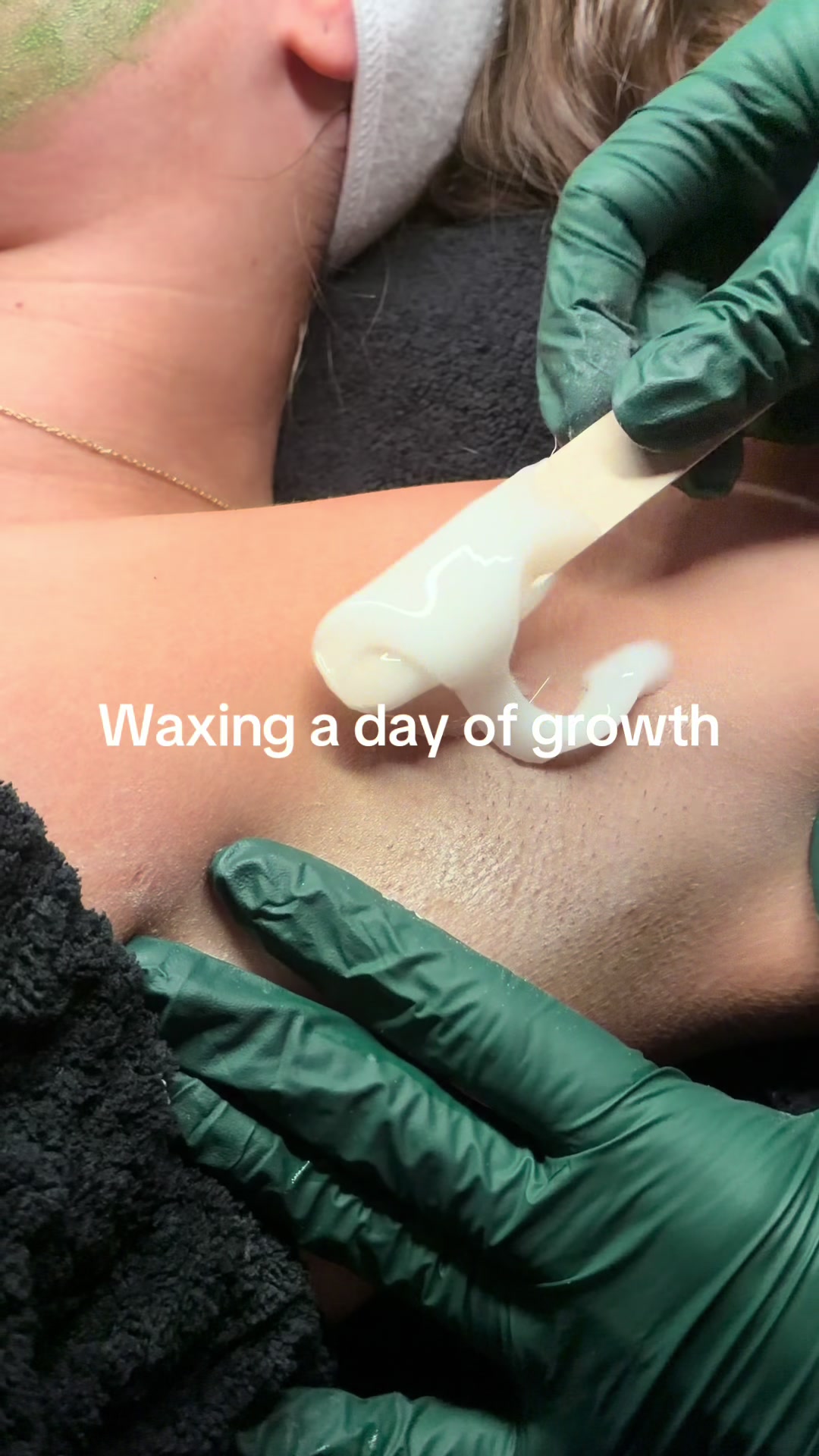
- Hook
- 0:00-0:03, visual: A person's armpit area is shown, with a gloved hand applying a white, creamy substance with a wooden stick. Text overlay reads "Waxing a day of growth". audio: "So I was giving my sister a facial when she lifted her arms and I saw some little bitty hairs poking out."
- Audience
- Individuals interested in hair removal, particularly waxing, and those seeking effective solutions for short hair or quick regrowth.
Why it works. A specific, slightly embarrassing anecdote about the sister's stubble sets up a same-day wax demo, proving it works on very short hair.
Problem-agitation with a bold claim and visual proof (0:00-0:15): The creator states, "Waxing a day of growth" and then shows a significant amount of hair removed, despite the short growth period. The sister's surprised reaction is also visible. Open with a specific, slightly awkward anecdote that sets up the exact use case, like short hair, your demo is about to prove.
Who amplifies them
Amplification divides into three distinct groups:
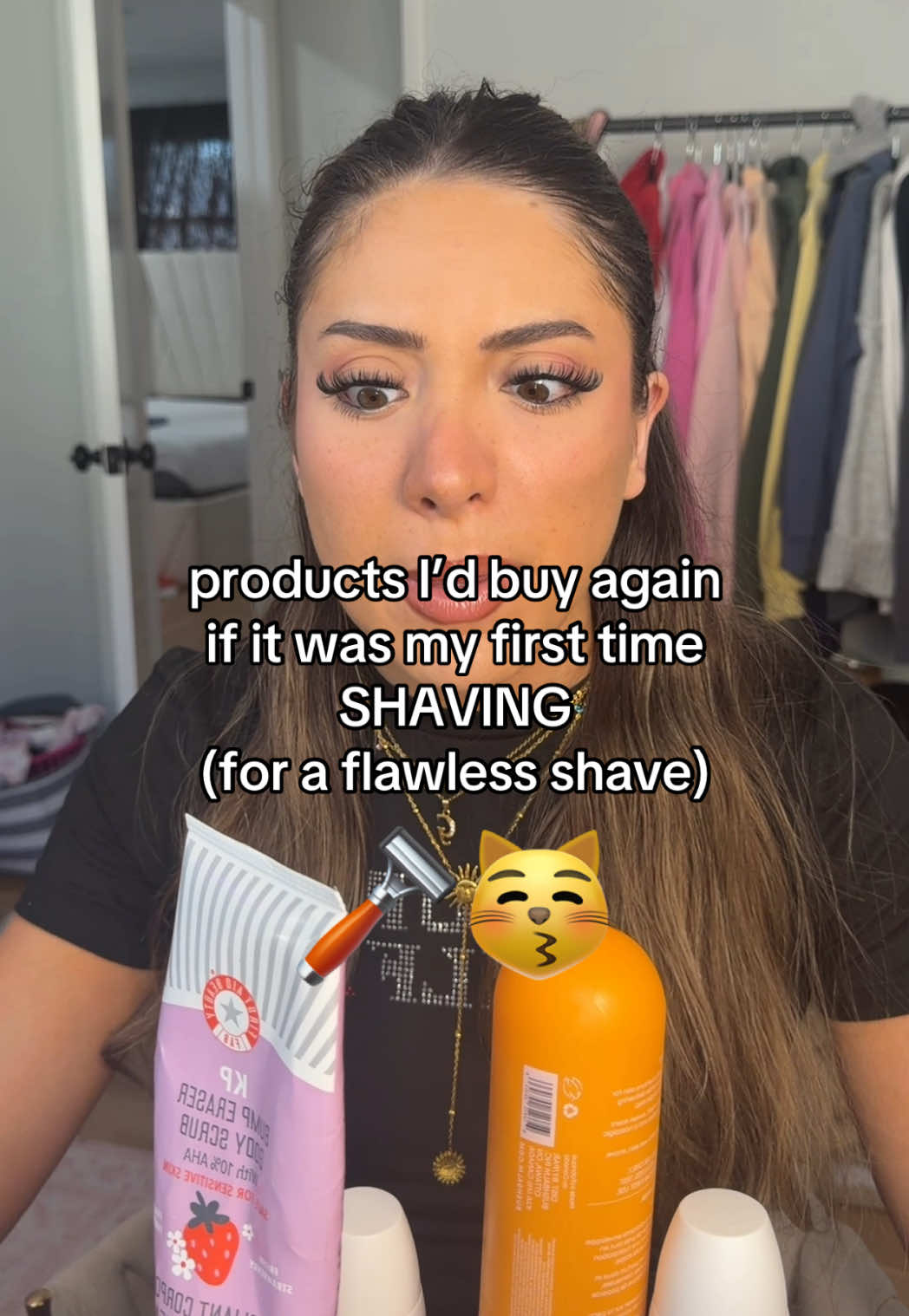
Affiliate consumer creators: Visible discount codes include CARMEN25 (BIG C, TikTok, 1,462 engagements), KRISTAL25 (kristalheredia, Instagram, 2,103 engagements), and Kelcey25 (kelcey_w, Instagram, 9,379 engagements). These represent a tracked affiliate program where creators drive direct purchases through coded links and personal audience trust.
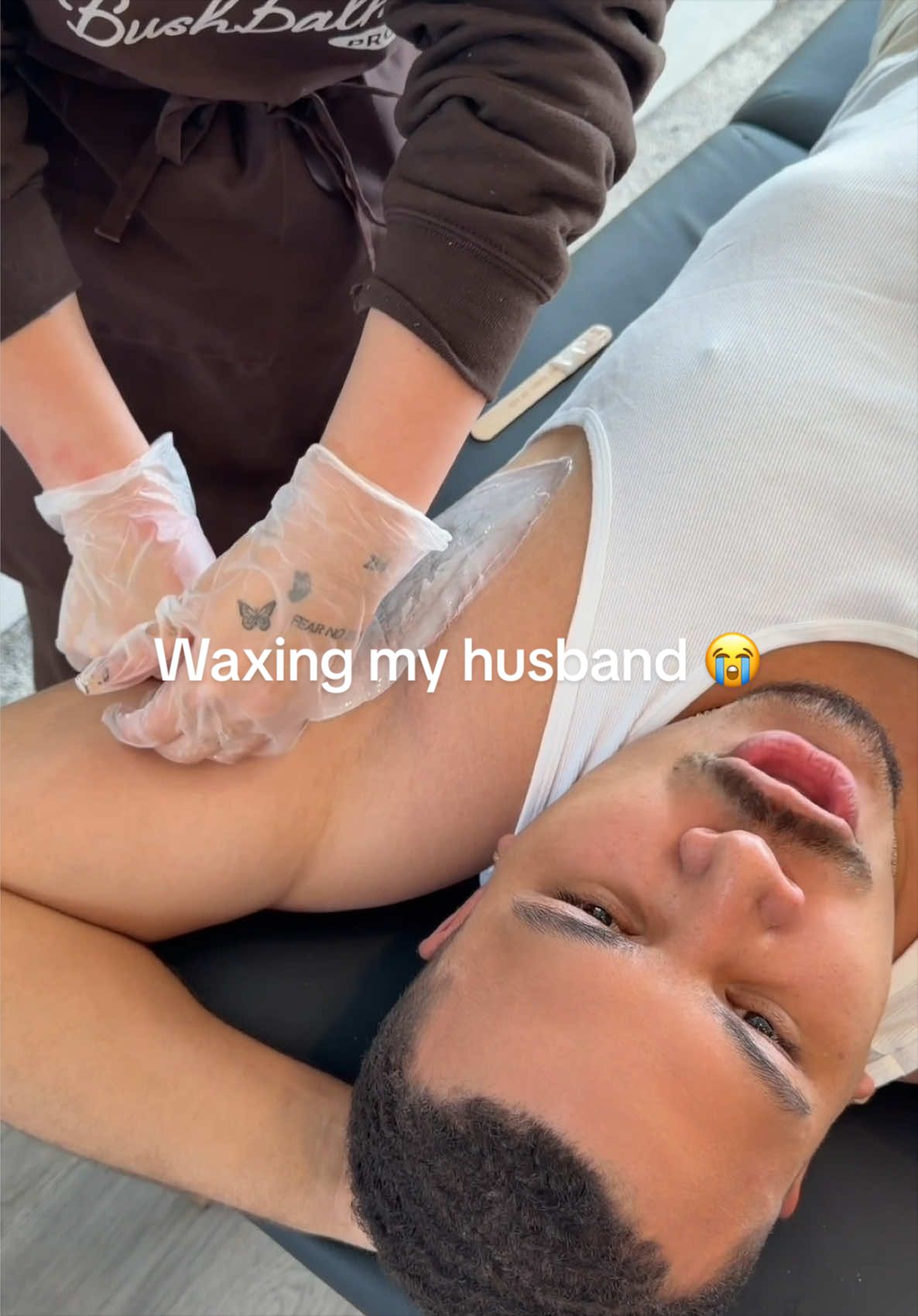
Esthetician and professional creators: The most productive amplification category. SMOOVE SKIN STUDIO, Rach (licensed esthetician, 13,636 engagements), Tre the HTX Waxer (721 engagements), Michelle the Dallas Esthetician (2,965 engagements), Esthetics by Liya J. (970 engagements on a limited-edition pro wax post), Waxing Queen Adventures (2,824 engagements), and a waxer posting under the handle @justinbieber (956 engagements) all post product-in-use content from their professional context. The @justinbieber waxer explicitly cites a "$50 give $50" referral structure via their Instagram bio link, revealing the pro referral program's incentive mechanic.
Organic super fans: theillfactor ("I am now a super fan"), Q ("I swear by these products!! NOT AN AD!!!!"), and the Charles & Sylvia account (292,921 engagements on a barber and waxing clip) represent unpaid organic advocacy at meaningful scale. High-engagement posts with explicit "not an ad" disclaimers are among the most credible signals of genuine product-market fit.
Institutional carry: The original Dragon's Den broadcast segment resurfaced as a TikTok clip from the @Dragons Den account (6,769 engagements, June 2026), providing sustained earned media from a broadcast appearance that happened years earlier. Notably, co-founder David Gaylord did not close a deal with investor Arlene Dickinson on the show, but the visibility spike drove the first 10 days of January 2021 to match all of Q1 2020 in sales.
08 Organic & video
The organic content engine: the videos, creator posts, and community presence earning attention without paid spend.
Bushbalm's TikTok presence is primarily creator-powered rather than brand-account-driven. The standout organic posts:
Read the full breakdown+4▾
- Lilly (@lilly): A visual demonstration of how much the Bush Beads wax can grab reached ~546,000 engagements (June 2026). The hook is purely visual, and the creator's "for educational purposes only" framing reads as authenticity rather than caution, a common high-performing pattern among esthetician creators.
- theillfactor (@theillfactor): "I am now a super fan of @Bushbalm for real" collected 37,254 engagements (February 2026). An organic testimonial with no apparent paid arrangement, which makes it more credible in a feed saturated with disclosed partnerships.
- Maya G. (@Maya G.): "Ingrowns, who? @Bushbalm" at 27,663 engagements (March 2026). A direct problem-solution frame in two words, the product is the implied answer.
- SMOOVE SKIN STUDIO (@SMOOVE SKIN STUDIO): Esthetician tutorials demonstrating the Radiant Reset toner pads and Dark Spot Oil routine reached 19,867 engagements (February 2026) and 4,415 engagements (June 2026). The February post included an affiliate link, framing the creator as both educator and distributor.
The format that consistently performs is the licensed-professional product demo: a waxer or esthetician demonstrating the product on a real client or themselves, with enough technical vocabulary (wax temperature, 24-hour post-wax window, application technique) to signal credibility and enough visual payoff (clean wax pull, smooth skin) to satisfy casual viewers. This format appears across both the consumer brand and the professional sub-brand.
The brand's own Meta video creative mirrors the same logic. The "Fresh Cut Friday" recurring series uses a serialized frame ("Happy Friday y'all. You know what time it is.") to create return-viewing expectations, applying a content-series logic borrowed from creator culture to branded video.
09 Affiliate & partners
How the brand turns creators and partners into a tracked, variable-cost acquisition channel, and how the program is structured.
Bushbalm runs two distinct referral tracks with different mechanics and audiences:
Read the full breakdown+3▾
Consumer affiliate codes: Multiple creators carry personal discount codes in a name-plus-number format (CARMEN25, KRISTAL25, Kelcey25) consistent with an automated partner onboarding system, likely managed through a platform like Refersion or a similar affiliate tool. The code format gives Bushbalm per-creator attribution without requiring a custom integration per partner.
Professional referral program: The esthetician referral mechanic is more explicitly documented. The @justinbieber waxer account cites a "get $50 give $50" structure for the Bushbalm Professional wax line. Co-founder David Gaylord noted on X in January 2023 that pro referrals grew from 3% to 15% of monthly DTC revenue with no distributor and no middleman. The mechanic: salons buy wholesale, estheticians recommend the consumer products to their clients using a personal referral code, and the DTC conversion happens with the professional's implicit endorsement attached. Every salon account becomes a self-funded micro-affiliate, scaling without requiring a traditional affiliate marketing budget.
10 The playbook
The channels are not separate. They are one system where each stage feeds the next. Here is the read, then the plays to run tomorrow.
The inferred playbook
Bushbalm built its acquisition engine in two reinforcing tracks: a paid and creator-driven consumer loop, and a salon-powered B2B2C engine that makes the professional wholesale channel a DTC growth asset.
By naming sub-categories ("vajacial," "vajazzle," "Bush Beads wax") and publishing the authoritative reference content for each, Bushbalm ranks #1 for terms it coined. This trades near-term volume for permanent search ownership and makes the organic channel structurally difficult for competitors to replicate without conceding that Bushbalm defined the category first.
Each salon account (7,000+ as of early 2024) is a recommendation engine for the consumer DTC site. Two salespeople manage thousands of independently owned accounts, meaning the cost per account is low. The pro-to-consumer referral conversion requires no paid media: the esthetician's professional credibility does the selling, and the give-get referral code gives them a financial incentive to continue. The wholesale purchase is the trust-building step; the DTC sale is the output.
Dig deeper+3▾
Google text ads running 1,419+ days on branded and educational terms (as of 2026-07-02) suggest a stable, profitable CAC. The longevity implies the unit economics work. This layer captures demand that creator content generates but doesn't immediately convert, functioning as a bottom-of-funnel net beneath a top-of-funnel creator ecosystem.
Esthetician tutorial content outperforms brand content in engagement and credibility because the professional's livelihood depends on their expertise reputation. Bushbalm's pro referral program gives these creators a financial incentive to keep posting, converting the professional community into a distributed content production engine that requires minimal brand-side investment.
Free-to-paid conversion rates, customer lifetime value, and blended CAC across the three retail channels (DTC, Ulta, salon wholesale) are not visible in public data. Whether the Ulta retail expansion is margin-accretive or a brand-building investment at cost is not determinable from public signals. ---
Build a professional-tier wholesale channel that doubles as a DTC referral engine
The proofBushbalm's 7,000+ salon accounts, managed by two salespeople with no distributor, grew pro referrals from 3% to 15% of monthly DTC revenue. The mechanism is a wholesale buy-in (the professional is a paying customer who trusts the product) combined with a give-get referral code that compensates the esthetician for every consumer they refer to the DTC store. David Gaylord noted in January 2023 on X: "No distributor. No middlemen. Incredible product market fit, and an engaged community of professionals."
The adaptationIf your product has a professional-use or B2B version, build a discounted wholesale or professional tier first. Then add a give-get referral incentive that rewards the professional for every end-consumer they send to your DTC store. Start by identifying 20 to 50 professionals already using your product and offering them a formalized referral code with a credit or commission structure before building a full partner portal. The professional's endorsement to their client carries inherent authority, so the referred consumer arrives pre-sold, lowering your paid conversion cost.
Run Google search ads against educational "how to solve the embarrassing problem" queries for at least 12 months
The proofBushbalm's longest-running active Google ads (August 2022 start, ~1,419 days active as of 2026-07-02) use informational hooks like "How to Exfoliate Your Bikini Area and Prevent Razor Burn" and "How to Get Rid of Ingrown Hair Scars" pointed to educational content pages. The category involves a problem most buyers search for privately but never discuss, which means educational query competition is thin and the destination page builds organic ranking over time.
The adaptationIdentify the embarrassing or socially awkward version of the problem your product solves: the query a buyer types alone that they'd never ask in public. Run a Google text ad to an educational blog post that addresses it, with a soft product introduction at the end. Bid on the educational query, not the product query, competition and CPCs are lower, and the buyer arrives earlier in the funnel when the brand impression is more durable. First step: write the "how to [solve the specific symptom]" page and run a single ad variant for 60 days before evaluating.
Lead one paid creative with a named third-party endorsement rather than a product claim
The proof"Oprah's Favorite Grooming Tool" and "Meet Oprah's Favorite Trimmer, The Francesca Trimmer" are among Bushbalm's longest-running active Google search ads (~1,419 days as of 2026-07-02). A celebrity endorsement in the headline outperforms a product descriptor because the third party's credibility transfers to the brand before the buyer processes a single feature. This is especially effective in categories that carry social embarrassment, where buyers need permission to click.
The adaptationAudit your press mentions, customer testimonials, industry awards, and any notable user list for a credible named endorsement. Rewrite one search ad headline to lead with that name rather than your product category ("As seen in [Publication]," "[Notable Name]'s go-to [product type]"). The mention doesn't need to be paid or current; it needs to be accurate and attributable. Test this variant against your current best-performing headline. The mechanism: the endorser's credibility removes the buyer's due-diligence burden at the decision point where most clicks are lost.
Recruit licensed professionals in your category as content creators with a give-get referral code, not a scripted brief
The proofEsthetician creators posting Bushbalm tutorials, SMOOVE SKIN STUDIO (19,867 engagements), Rach (13,636 engagements), Michelle the Dallas Esthetician (2,965 engagements), Waxing Queen Adventures (2,824 engagements), consistently outperform brand content in both engagement and buyer trust. Their professional credential functions as a trust signal; the in-use product demonstration in a real service setting is more persuasive than a brand ad because the professional's income depends on their expertise reputation, not on Bushbalm's approval.
The adaptationIdentify licensed or credentialed professionals adjacent to your product category (nutritionists, trainers, therapists, contractors, designers, licensed tradespeople) who already have a social following and post tutorials. Offer a free product sample and a give-get referral code; do not provide a script or brief. The professional's own framing, in their own vocabulary, for their own audience, will outperform any copy you provide. Start by sending 10 outreach messages to professionals who post instructional content to a few thousand followers each. The mechanism: professional autonomy over the endorsement is what makes it credible, not brand messaging.
Name and claim a sub-category before competing in an established one
The proofBushbalm holds the #1 ranking for "vajazzle," "vajacial," and "what is a vajacial", terms that had no meaningful search history before Bushbalm published content around them. By defining a sub-category and publishing authoritative reference content for it, the brand captured top-of-funnel organic traffic with no competition. The vajazzles product page alone draws an estimated 1,732 organic visits per month.
The adaptationFor any product that doesn't fit neatly into an existing category name, invest in naming the sub-category and publishing the definitive explainer for it before any competitor does. The target is a query that would exist if buyers knew the category existed: "what is a [your coined term]." Write the authoritative definition page, optimize it for that query, and run a Google text ad to the page while it builds organic authority. First step: write the "what is [your category name]" page, submit it for indexing, and run a single search ad for the coined term for 90 days. The mechanism: category definition gives permanent search ownership of high-intent queries because no competitor can outrank you on a term you named.
You just read how Bushbalm does it. Tomorrow it is someone else.
Every morning we take one company that is actually growing and break down where its customers come from: the ads still running after a year, the channel doing the real work, and the play you can run this week.
Systemaic · directional intelligence. Traffic, spend, and reach figures are SimilarWeb-style estimates and qualitative reads of public data, not audited numbers. Built on real public receipts.
// teardowns with a similar GTM motion
sources & receipts (3)
Live ad libraries: meta ad library · linkedin ad library · google ad library
Traffic, spend, and revenue figures are estimates as noted in the report; the links above are the primary public artifacts.